Starmer's Cost of Living Champion Calls for Fuel Duty Extension Amid Iran Conflict
Sir Keir Starmer's appointed cost-of-living tsar has publicly urged the government to consider extending or enlarging the current 5p-per-litre fuel duty cut as the crisis in the Middle East intensifies. Lord Richard Walker, the executive chairman of Iceland Foods, made the appeal during an interview on BBC Radio 4's Today programme, highlighting the severe impact of soaring oil prices on British consumers.
Mounting Pressure Over Fuel Prices
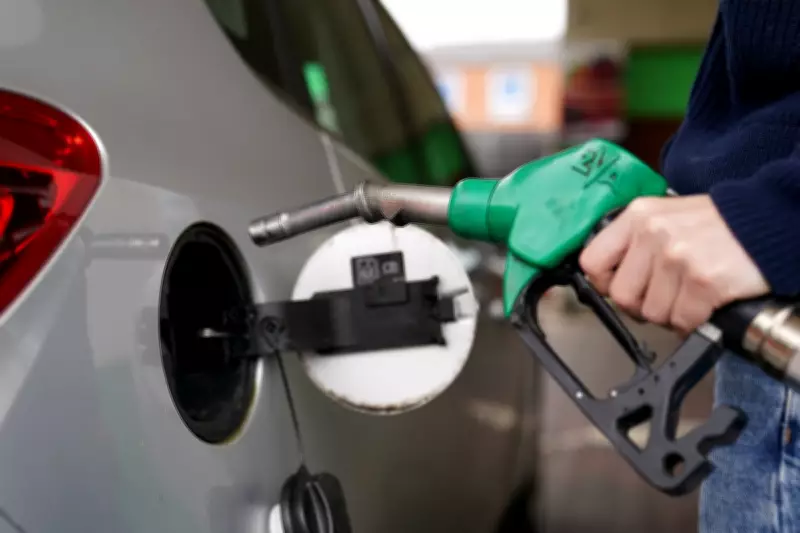
The call comes as oil prices have skyrocketed due to Iran's aggressive actions in the Strait of Hormuz, which have severely disrupted tanker traffic. This geopolitical tension has directly translated into higher pump prices across the United Kingdom, placing additional financial strain on households and businesses alike. Chancellor Rachel Reeves had previously announced in her November 2025 budget that the 5p fuel duty reduction, initially introduced by the Conservative government in March 2022, would only be extended until the end of August. After that period, rates are scheduled to gradually return to March 2022 levels over the subsequent five years.
Lord Walker emphasised the urgency of the situation, stating, "I think given where we are, we do need to be thinking and talking about extending it or enlarging it." He pointed to international examples, noting that the Australian government recently implemented a 14p-per-litre cut to their fuel tax, contrasting it with the UK's more modest 5p reduction.

Cross-Party Calls for Government Action
The appeal from Starmer's cost-of-living champion is part of a broader, mounting pressure on the government to abandon the planned fuel duty increase scheduled for September. Opposition parties have been vocal in demanding more substantial measures to alleviate the burden on motorists. Liberal Democrat leader Sir Ed Davey has called for a significant 10p cut in fuel duty, arguing that families are unfairly paying more at the pump due to a conflict they did not start. He highlighted the timing, noting the importance of such a cut during the busy Easter weekend, which sees approximately 21 million trips on British roads.
Conservative peer Lord Simon Wolfson, the chief executive of Next, has also weighed in, suggesting that the Treasury should not profit from the Iran war. He proposed adjusting fuel duty to ensure the tax take remains constant, thereby helping businesses and consumers without increasing government revenue from the crisis. Lord Walker acknowledged this perspective, remarking, "Lord Wolfson is a great guy and very intelligent, and he might have a point there."
Sharp Rise in Fuel Costs
Recent data from the RAC underscores the severity of the price hikes. The average cost of a litre of diesel at UK forecourts has reached 185.2p, representing a staggering 30 per cent increase since the conflict began on February 28. Petrol prices have also climbed sharply, with the average now at 154.5p per litre, a rise of 16 per cent over the same period. These increases have exacerbated the cost-of-living crisis, prompting calls for immediate governmental intervention.
Prime Minister Sir Keir Starmer has previously committed to keeping the planned September fuel duty rise "under review in light of what's happening in Iran." The government has also intensified efforts to assist drivers in finding the cheapest fuel through enhanced price comparison tools. However, critics argue that these measures are insufficient and that more decisive action is required to provide real relief.
Broader Political and Energy Context
The debate over fuel duty is occurring within a wider context of energy security and political strategy. The Conservatives have advocated for removing VAT on energy bills for the next three years, while Reform UK has pledged to reduce VAT on fuel and eliminate green levies on energy bills. Meanwhile, reports indicate that Energy Secretary Ed Miliband is expected to approve the Jackdaw gasfield off the coast of Scotland, although he remains opposed to the Rosebank field, reflecting the complex balancing act between energy independence and environmental concerns.

As households brace for potential energy bill hikes later in the year, the pressure on the government to implement effective, timely solutions continues to grow. The calls from Lord Walker and other political figures highlight the critical need for policy adjustments to mitigate the economic impact of international conflicts on everyday British citizens.