Starmer's Political Backbone Emerges in NHS Confrontation
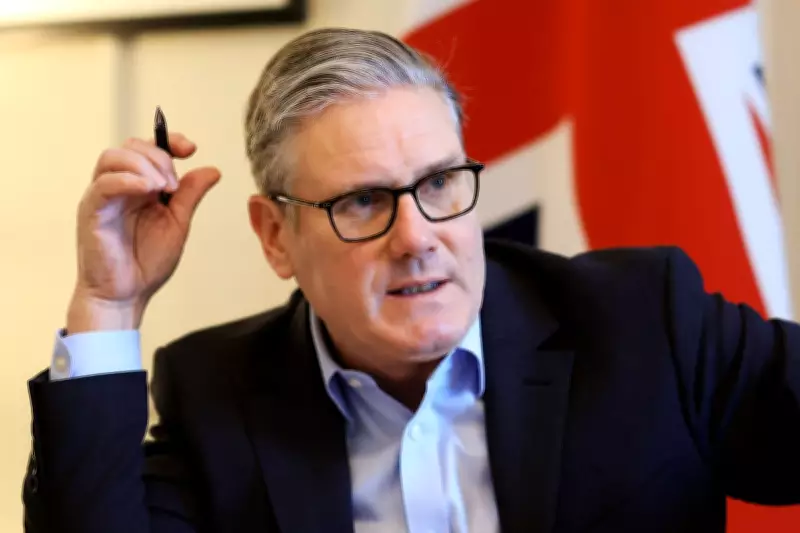
Prime Minister Keir Starmer has demonstrated a newfound political resolve by issuing a stark 48-hour ultimatum to striking NHS doctors, demanding they call off their planned six-day industrial action. This decisive move represents a significant shift in the Labour leader's approach to governance and may reflect growing confidence gained from his earlier foreign policy confrontations.
The Ultimatum That Changed the Dynamic
In what political observers describe as a cheering development, Starmer has branded the British Medical Association's decision to reject a 7.1 percent pay offer without consulting members as "reckless" behavior. The prime minister and Health Secretary Wes Streeting have drawn a clear line in the sand, warning that continued strikes will result in the loss of 1,000 new training places scheduled for introduction next month.
This firm stance marks a dramatic departure from Labour's initial approach to NHS industrial relations. When first assuming power, the government provided resident doctors with an exceptional pay increase without conditions, successfully halting strikes for twelve months and establishing a foundation for constructive dialogue about training opportunities and career progression bottlenecks.

From Trump Confrontation to Domestic Resolve
Political analysts suggest Starmer's willingness to take a tough line with the BMA may stem from his earlier foreign policy confidence. When the prime minister refused to support President Donald Trump's military actions against Iran and subsequent escalations, he positioned himself favorably with British public opinion.
A recent JL Partners poll for The Independent revealed telling statistics: Starmer's positive rating increased by 11 percentage points, while his negative rating decreased by 15 points when respondents were reminded of his policy differences with Trump regarding Iran. This public support appears to have translated into domestic political courage.
The BMA's Controversial Position
The British Medical Association faces mounting criticism for its handling of the pay negotiations. By rejecting what many consider a generous public-sector offer without conducting a membership vote, the union has reinforced its reputation as a narrow-interest organization prioritizing members' benefits over broader NHS needs and national considerations.
The government's position highlights difficult resource realities: Strike actions incur substantial NHS costs that inevitably reduce funding available for other priorities, including the very pay settlement under discussion. Streeting has emphasized that finding additional funds would require either redirecting money from other NHS services or requesting increased taxpayer contributions during a period of international oil price shocks straining public finances.
Public Opinion and Political Calculations
Starmer's firm approach aligns with prevailing public sentiment regarding the strikes. Both YouGov and Ipsos polling indicate that more British citizens oppose than support the industrial action, despite general sympathy for medical professionals. The public appears to recognize that doctors are being offered superior terms compared to other public servants while contemplating actions that would further damage NHS services.
The prime minister has increasingly differentiated himself from Trump supporters in recent weeks, indirectly criticizing the former president by attacking political figures who endorsed military action without adequate planning. This rhetorical shift suggests growing confidence that may extend to domestic policy confrontations.
Potential Consequences and Future Implications
While Starmer's tougher stance represents a welcome development for many observers who desired stronger leadership from the outset, potential complications remain. The BMA might respond with equal determination, potentially hardening positions and making resolution more challenging. Additionally, even if the union conducted a membership ballot, doctors might still support strike action given their legitimate concerns about working conditions and career prospects.

Nevertheless, Starmer has moved beyond the empty rhetoric of his 2024 election campaign, abandoning simplistic calls to "just get round the table and resolve it" in favor of substantive action. The prime minister now appears determined to pursue what he believes represents the national interest, supported by public opinion and a newfound political backbone that may trace its origins to international confrontations with one of the world's most formidable political figures.