Starmer's Popularity Soars in Poll After Iran War Standoff with Trump
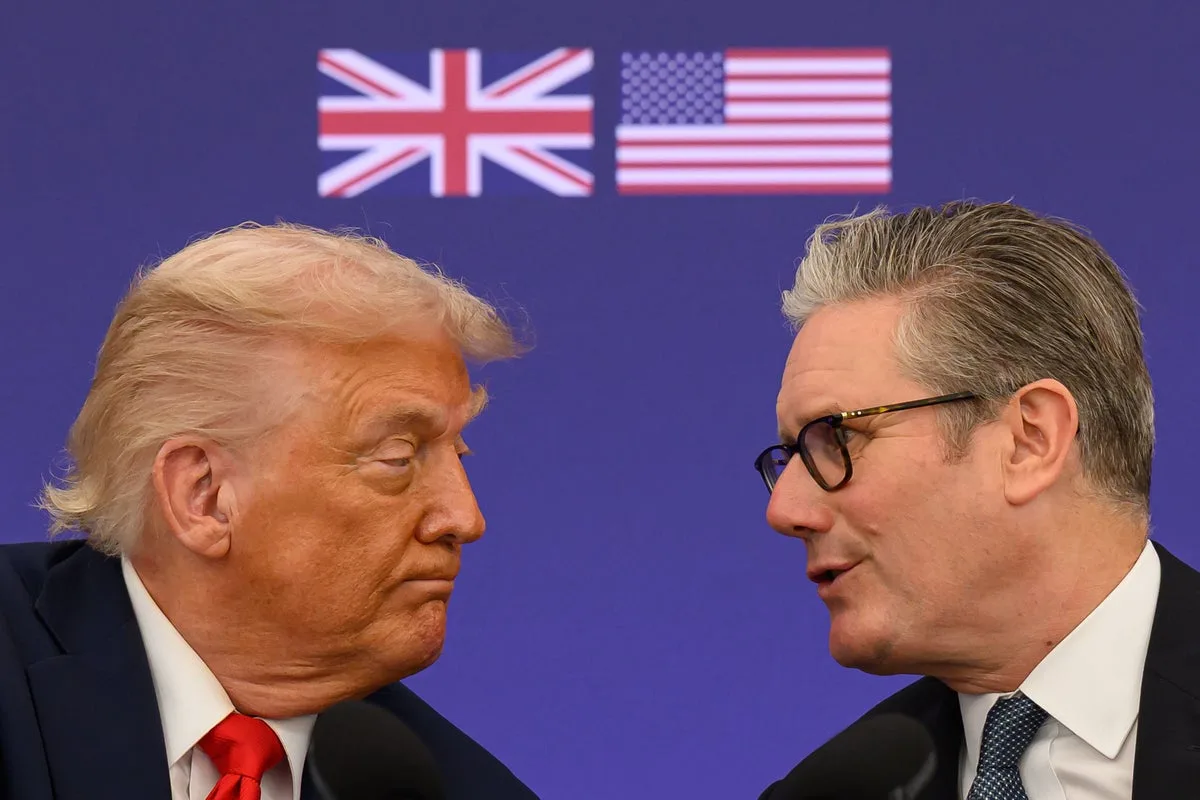
Dramatic new evidence has emerged showing a significant boost in Prime Minister Sir Keir Starmer's popularity following his decision to stand firm against former US President Donald Trump over the Iran war. According to a JL Partners survey conducted for the Independent, Starmer's personal approval rating increases by a substantial 26 points when voters are reminded of his public spat with the American leader.
Polling Data Reveals Stark Contrast in Voter Perceptions
The comprehensive survey reveals that while Sir Keir still maintains an overall negative approval rating of minus 14, this represents a marked improvement from the minus 40 rating he receives when his specific stance on the Iran conflict is not highlighted to respondents. These findings are likely to provide encouragement to the prime minister's supporters, who hope his cautious approach to Trump's military actions against Iran may help him avoid potential leadership challenges, particularly if Labour performs poorly in the upcoming local elections as many anticipate.
Political Context and Opposition Reactions
Sir Keir's refusal to permit the United States to utilize British military bases for initial bombing campaigns against Iran created a stark contrast with opposition figures. Both Conservative leader Kemi Badenoch and Reform UK's Nigel Farage initially criticized the prime minister's position, though both have since backtracked on their earlier statements. This reversal has allowed Starmer to redirect his political fire toward his domestic opponents, arguing that by making "the wrong call" on whether to commit Britain to war, they have demonstrated their unfitness to govern the country.
Transatlantic Tensions and Personal Insults
The prime minister's refusal to endorse Trump's declaration of war against Iran has triggered a series of personal insults from the former US president. In what many consider his most wounding jibe, Trump declared that Starmer had shown himself to be "no Churchill." The prime minister responded with characteristic defiance, stating he would not "hang on the president's latest words." Trump continued his attacks through social media, sharing a clip from the UK version of Saturday Night Live that mockingly portrayed Sir Keir as a "coward" terrified of the American leader.
Detailed Survey Methodology and Results
The JL Partners survey employed a split-sample methodology to measure the impact of Starmer's Iran stance on his public perception. Half of the 1,500 UK adults interviewed online between March 14-16 were simply asked whether they held a positive or negative view of the prime minister. The other half received the same question after being informed of three key elements:
- Starmer's refusal to allow US forces to use British bases for attacks on Iran
- Trump's "no Churchill" insult directed at the prime minister
- The former president's claim that the historic Anglo-American special relationship is "obviously not what it was"
Among the first group, 57 percent expressed negative views of Starmer, with only 17 percent holding positive opinions. However, in the second group reminded of the Trump dispute, negative perceptions dropped to 42 percent while positive views rose to 28 percent.
Contrasting Political Fortunes on Both Sides of the Atlantic
While Starmer's approval ratings appear to have benefited from his handling of the Iran conflict, the opposite trend has emerged for Trump among American voters. A separate Reuters/Ipsos poll conducted this week indicates that 61 percent of Americans disapprove of the attacks on Iran, compared to just 35 percent who approve. Political analysts attribute this disapproval to the apparent contradiction between Trump's decision to launch a major Middle Eastern military campaign and his pre-election pledge to end what he termed "stupid wars."
Trump's Declining Approval Ratings
The former president's overall standing in the United States has continued to deteriorate throughout the Iran conflict. When Trump entered the White House at the beginning of his second term last year, his approval rating stood at 47 percent with 41 percent disapproval, representing an overall positive rating of plus six. The latest Reuters/Ipsos poll shows disapproval has now soared to 62 percent, while approval has fallen to 36 percent, creating an overall negative rating of minus 26 percent.
Expert Analysis and Political Implications
Tom Lubbock, co-founder of JL Partners, provided analysis of the survey results: "If you're just looking at the cold electoral politics, there is a major reputational premium to be gained for the prime minister positioning himself in opposition to the US president on the Iran conflict. It has worked for a variety of leaders around the world. The survey suggests that the more people are aware of the prime minister's disagreement with the US president, the more his standing improves." This strategic positioning appears to be paying political dividends for Starmer as he navigates both domestic challenges and international tensions.