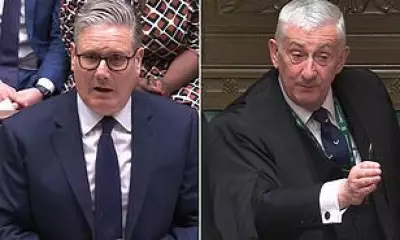
Prime Minister Keir Starmer has publicly defended his government's stance on the ongoing war in the Middle East, facing mounting pressure from key allies including Cyprus, Bahrain, and the United Arab Emirates. This scrutiny comes amid debates over whether his approach to Iran demonstrates sufficient strength or reveals critical weaknesses in Labour's foreign policy framework.
Growing International Pressure on UK Leadership
The United Kingdom's position has been questioned by regional partners, with Cyprus, Bahrain, and the UAE expressing concerns over the handling of tensions involving Iran. These nations have urged a more robust response, highlighting the complex diplomatic landscape Starmer must navigate as he balances international relations with domestic political expectations.
Analysis of Starmer's Foreign Policy Strategy
Political commentators John Harris, Pippa Crerar, and Kiran Stacey have engaged in detailed discussions evaluating whether Starmer's actions reflect strength or vulnerability. Their analysis delves into the prime minister's decision-making processes, the implications for UK-Iran relations, and the broader impact on Middle East stability. Critics argue that a perceived hesitancy could undermine Britain's global standing, while supporters emphasise a cautious, measured approach to avoid escalation.

Controversial Asylum Plans Announced by Home Secretary
In parallel developments, Home Secretary Shabana Mahmood has unveiled contentious new asylum proposals, sparking further political debate. These plans are expected to reshape immigration policies, adding another layer to the government's challenges as it addresses both foreign and domestic issues simultaneously. The announcement has drawn mixed reactions, with advocates praising reforms and opponents warning of potential humanitarian consequences.
The intersection of foreign policy and immigration underscores the multifaceted pressures facing the Starmer administration. As international tensions persist, the prime minister's ability to project strength while managing internal divisions will be crucial in the coming months. Observers continue to monitor how these dynamics evolve, with implications for UK security and diplomatic influence worldwide.