Starmer's Leadership Tested by Cabinet Revolt Over Iran Crisis
Keir Starmer's leadership is under intense scrutiny following revelations of a significant cabinet rebellion against his Iran policy. According to reports, the Prime Minister faced stiff opposition from senior colleagues during a National Security Meeting, casting serious doubt on his authority and decision-making in a high-stakes international emergency.
Cabinet Clash Over Diego Garcia Support
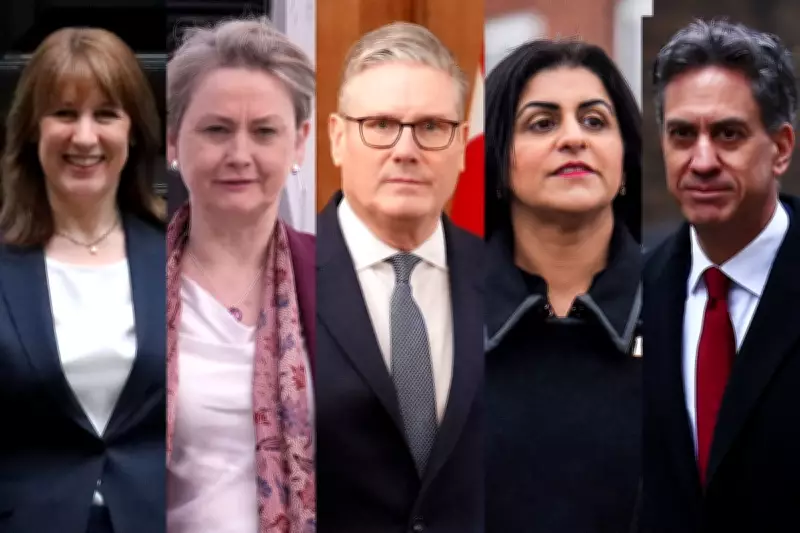
Sources indicate that Starmer attempted to persuade his cabinet to approve the use of Diego Garcia, the joint US-UK base in the Chagos Islands, for specific purposes to support American operations. However, this proposal was met with unfriendly fire from within his own ranks. Ed Miliband is alleged to have led the rebellion, with notable opposition from Rachel Reeves, Yvette Cooper, and, more surprisingly, Shabana Mahmood.
The lukewarm denials from those involved suggest that a substantial disagreement did occur. Starmer himself did not directly refute the story when questioned, instead pivoting to discuss a separate, approved request for British bases to be used for defensive actions. This evasion has highlighted the Prime Minister's struggle to assert his will and maintain control over his government.

Implications for Starmer's Premiership
This incident underscores Starmer's precarious position as a leader who is surviving but not thriving. The rebellion forced him into a change of heart, revealing a legalistic approach that failed to balance support for the US with avoiding direct UK entanglement. Defence Secretary John Healey reportedly had to mediate to secure support for Diego Garcia's use, further illustrating the internal discord.
While cabinet disagreements over warfare are not uncommon—recall Tony Blair's clashes with Robin Cook over Iraq—they are particularly damaging for Starmer, who lacks a secure grip on his role. The story exposes his conflicted thinking on Britain's global role and his inability to impose his will during crises.
Key Figures in the Rebellion
Ed Miliband, the former Labour leader and current Energy Secretary, has a history of opposing intervention in the Middle East, having whipped MPs against action in Syria in 2013. His stance now positions him as a powerful figure within the cabinet, potentially eyeing a chancellor role in a left-leaning Labour future. By challenging Starmer, he amplifies his influence beyond his current brief.
Shabana Mahmood, from the right of the party, reportedly fears that aligning too closely with Trump could alienate the Muslim community and advocates focusing on UK interests. Yvette Cooper preferred diplomatic talks on Iran's nuclear capacity, while Rachel Reeves may be concerned about the financial costs of war, reflecting broader Brownite caution.
Broader Consequences and International Perception
The UK's handling of the Iran crisis has drawn criticism from allies, with Trump's "he's no Churchill" jibes targeting Starmer personally. Unlike other centre-left governments, such as Canada or Germany, which managed limited US support without internal chaos, the UK appears indecisive. Despite ultimately allowing base use and engaging in defensive actions, it risks being seen as a disappointment or cowardly ally.
Starmer now faces accusations of being too pliant to the US while failing to decisively back regime change in Iran. The cabinet rebellion has rubbed salt into these wounds, dealing a hard blow to his leadership and raising questions about his ability to navigate future crises.