Starmer Convenes Emergency COBRA Meeting Amid Economic Turmoil from Middle East Conflict
Prime Minister Keir Starmer is holding emergency talks today to address the escalating economic fallout from the ongoing Middle East war, vowing to deploy every available lever to combat a severe squeeze on living standards. The high-stakes meeting in Whitehall brings together senior ministers and Bank of England Governor Andrew Bailey, as concerns mount over potential panic at petrol pumps, an inflation timebomb for energy and food bills, and looming interest rate hikes.
Mounting Economic Pressures and Government Challenges
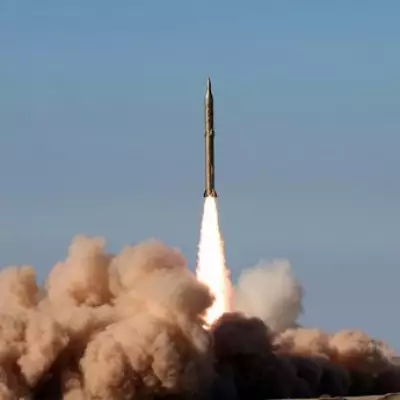
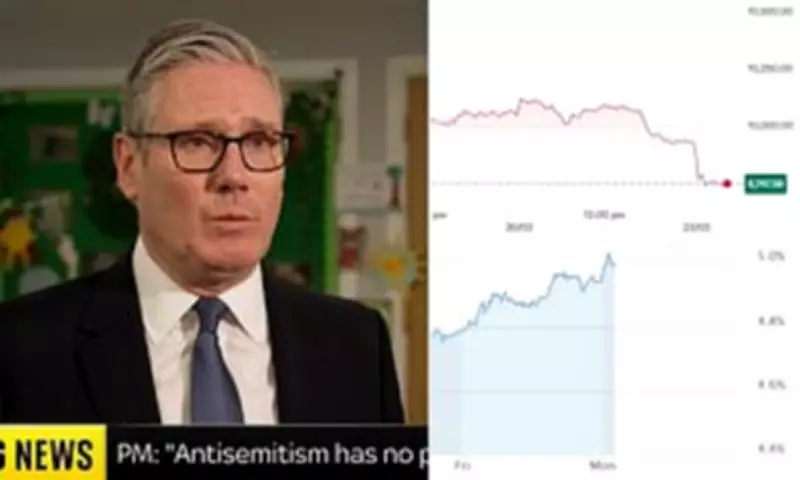
Doubts are intensifying over whether Chancellor Rachel Reeves can deliver substantial relief for struggling families, as government borrowing costs surged again this morning to a new post-2008 peak. With no immediate resolution to the Iran conflict in sight, oil prices have skyrocketed to over $110 per barrel—representing a staggering 50 per cent increase since the commencement of US-Israeli military strikes.
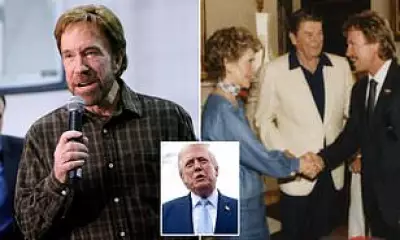
The blue-chip FTSE 100 index has continued its dramatic decline, shedding more than 1,100 points since late February. This market turmoil has been exacerbated by former US President Donald Trump's ultimatum, setting a deadline for Iran to reopen the critical Strait of Hormuz to oil tankers or face the obliteration of power plants. Tehran has retaliated with threats to target energy infrastructure in neighbouring states, further destabilising global energy markets.

Key Participants and Strategic Focus
The emergency COBRA session this afternoon is expected to include Chancellor Rachel Reeves, Foreign Secretary Yvette Cooper, Energy Secretary Ed Miliband, and Bank of England chief Andrew Bailey. In remarks before the meeting, Sir Keir emphasised the gravity of the situation, stating: Cobra is the opportunity at the highest level to bring people together on matters of real, significant national importance.
He elaborated: Obviously Cobras are usually used for military considerations, consular considerations, but I think with the Iran war, most people are very concerned now, not only what they're seeing on their screens in relation to the conflict itself, but also that question of how is it going to affect me and my family? And so today we're looking at the economic impact, and I am asking for every lever that's available to the Government to deal with the cost of living to be discussed at Cobra.
Industry Warnings and Government Reassurances
The economic landscape has been further complicated by warnings from industry leaders. Yesterday, the chief executive of Centrica—parent company of British Gas—revealed that global oil supplies have already diminished by 20 per cent due to the conflict, describing impending price rises as inescapable. Despite these alarming indicators, the government is attempting to temper public anxiety by downplaying prospects of fuel rationing and discouraging panic-buying at petrol stations.
Communities Secretary Steve Reed assured broadcasters on Sunday that there is no need for fuel rationing, urging the public to continue refuelling their vehicles just like they always would. However, with interest rates on 10-year gilts spiking again this morning and the FTSE 100's continued plunge, the government faces mounting pressure to formulate effective strategies to shield households from the conflict's economic repercussions.