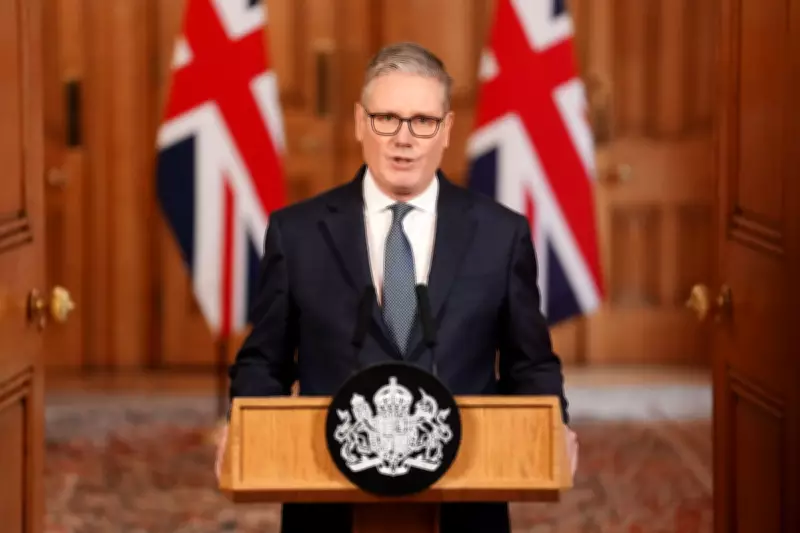
Prime Minister Vows Action on Energy Price Exploitation
Prime Minister Sir Keir Starmer has issued a stern warning to companies, stating the Government will "step in" if businesses exploit rising heating oil prices during the ongoing Middle East conflict. Speaking ahead of a visit to Northern Ireland on Thursday, Starmer acknowledged that "global instability has real impacts on the lives of working people across the UK."
Heating Oil Crisis Hits Northern Ireland Hardest
Home heating oil prices have surged by up to £100 in a single week, creating particular hardship in Northern Ireland where 62.5% of homes rely on this fuel compared to the UK average of just over 5%. Heating oil customers remain unprotected by Ofgem's energy price cap, leaving them vulnerable to market fluctuations.
"Let me be clear, we will not tolerate profiteering or unfair practices," Starmer declared. "If companies fleece customers or rip them off, we will not hesitate to step in, and that includes on regulation."

Global Energy Markets in Turmoil
Threats from Tehran have severely disrupted shipping through the Strait of Hormuz, a critical artery for global oil and gas supplies. This geopolitical tension has pushed energy costs upward, with Brent crude oil prices topping $100 per barrel (£74) and US crude reaching approximately $95 (£71) per barrel.
The International Energy Agency announced on Wednesday it would release 400 million barrels of oil onto global markets, including 13.5 million from the UK, to prevent short-term market disruption. Prices had reached near four-year highs above $100 per barrel earlier in the week before experiencing some volatility.
Trump's Confident Stance on Iran Conflict
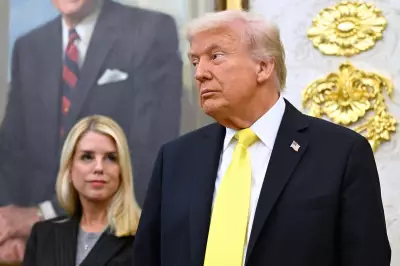
Speaking at a rally in Kentucky on Wednesday evening, US President Donald Trump asserted his administration was working to maintain oil flow and declared the United States had already "won" the conflict with Iran. "Let me say we've won. You know, you never like to say too early you won. We won. We won, in the first hour it was over, but we won," the president told supporters.
Trump added that the US did not want to "leave early," telling crowds: "We got to finish the job." The United States Central Command reported earlier in the week that US forces had "eliminated multiple Iranian naval vessels," including "16 minelayers," near the strategically vital Strait of Hormuz.
Chancellor Reeves Addresses Economic Concerns
Chancellor Rachel Reeves admitted before Parliament's Treasury Committee on Wednesday that trade disruption was "certainly not good for the British economy," particularly given the region's significance for oil and gas supplies. She indicated the Government might consider action on energy prices should the conflict escalate further.
"The Treasury is looking at 'a number of scenarios' but it would be 'unwise to speculate' on the ongoing economic fallout of the Iran war," Reeves told MPs. She emphasized that "the best thing that we can do as a Government is to seek to de-escalate this conflict" and noted that quicker de-escalation would benefit all economic variables.
Regional Violence Escalates
As tensions continue to mount, at least one person was killed and Iraqi oil operations were halted during an attack on Basra port, according to The Associated Press. Local officials reported the assault targeted vessels in a ship-to-ship oil transfer area.
Separately, the United Kingdom Maritime Trade Operations Centre received reports that a container ship had been struck by an "unknown projectile" in the Persian Gulf off the coast of Dubai's Jebel Ali port on Thursday. The attack caused a "small fire" but all crew members remained safe.
The combination of military actions, shipping disruptions, and market volatility has created a perfect storm affecting energy consumers across the United Kingdom, with government officials now preparing contingency plans should the situation deteriorate further.