Starmer Warns Against Energy Profiteering as Trump Vows to 'Finish the Job' in Iran
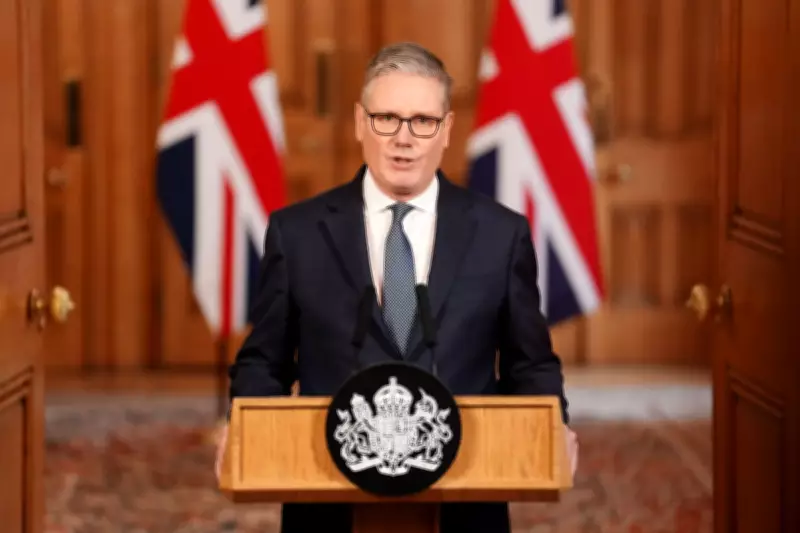
Prime Minister Sir Keir Starmer has issued a stern warning to energy companies, stating the government will "step in" if firms exploit rising heating oil prices amid escalating Middle East tensions. The declaration comes as threats from Tehran have severely choked shipping through the Strait of Hormuz, a vital global artery for oil and gas supplies.
Government Intervention on Pricing
Ahead of a scheduled visit to Northern Ireland, Sir Keir acknowledged that "global instability has real impacts on the lives of working people across the UK." He emphasised a zero-tolerance approach to unfair practices, stating clearly: "Let me be clear, we will not tolerate profiteering or unfair practices. If companies fleece customers or rip them off, we will not hesitate to step in, and that includes on regulation."
Prices have surged dramatically following retaliatory strikes by Iran after attacks from the US and Israel, pushing energy costs higher and sending home heating oil bills soaring across British households. This price jump has placed significant financial pressure on consumers already grappling with broader economic challenges.

International Energy Response
In response to the market disruption, the International Energy Agency announced on Wednesday it would release 400 million barrels of oil onto global markets, including 13.5 million barrels from the UK's strategic reserves. This coordinated action aims to prevent short-term market volatility and stabilise supply chains.
Oil prices had reached near four-year highs above 100 US dollars per barrel earlier in the week before experiencing a slight decline. This fluctuation followed signals from US President Donald Trump that the conflict with Iran could soon be resolved.
Trump's Declaration of Victory
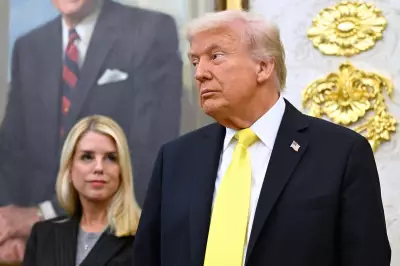
Speaking at a political rally in Kentucky on Wednesday evening, President Trump asserted that his administration was actively working to maintain oil flow through critical channels. He told supporters the United States had already "won" the conflict with Iran, making a bold claim about the conflict's duration.
"Let me say we've won. You know, you never like to say too early you won. We won. We won, in the first hour it was over, but we won," the president declared. He added that the US did not want to "leave early," telling crowds: "We got to finish the job."
These statements followed earlier reports from United States Central Command confirming that US forces had "eliminated multiple Iranian naval vessels" near the Strait of Hormuz, including sixteen minelayers that posed threats to commercial shipping lanes.
Economic Concerns and Government Planning
The latest developments come after Chancellor Rachel Reeves admitted to Parliament's Treasury Committee that trade disruption was "certainly not good for the British economy." She signalled the government's willingness to consider further measures on energy prices should the conflict intensify.
Appearing before MPs on Wednesday, Ms Reeves confirmed the Treasury was examining "a number of scenarios" but cautioned it would be "unwise to speculate" on the ongoing economic fallout from the Iran conflict. She emphasised the government's priority of de-escalation.
"It's certainly not good for the British economy to have trade disrupted, and especially when so much oil and gas comes from that part of the world," the Chancellor stated. "But the best thing that we can do as a Government is to seek to de-escalate this conflict. The quicker we can de-escalate, the better it will be for all of those different economic variables."
The situation remains fluid, with global energy markets closely monitoring developments in the Strait of Hormuz, through which approximately one-fifth of the world's oil passes annually. The British government's warnings against profiteering reflect broader concerns about economic stability and consumer protection during international crises.