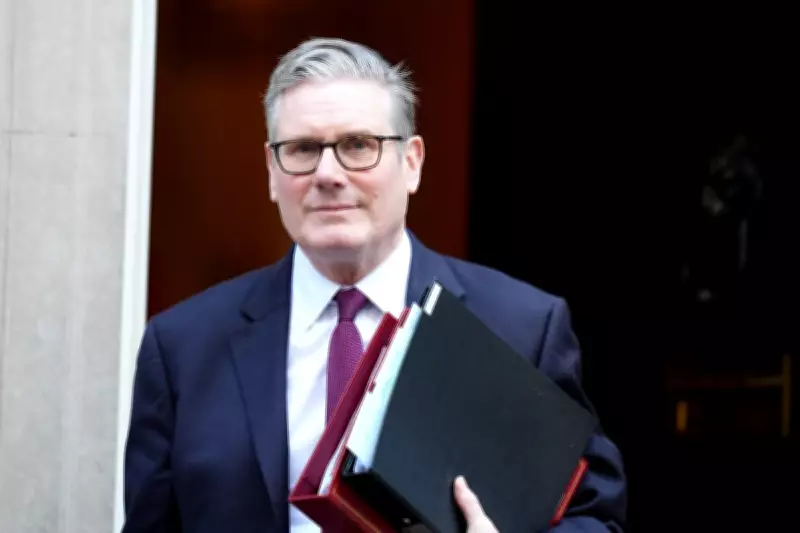
Prime Minister Sir Keir Starmer has pledged to examine every available government lever to combat the looming cost-of-living crisis triggered by the Iran war. Sir Keir will lead a meeting of the Cobra emergency committee to assess the economic impact of the Middle East conflict, focusing on soaring energy prices that threaten household finances.
Trump Postpones Strikes Amid Diplomatic Talks
In a significant development, US President Donald Trump announced a five-day postponement of strikes against Iranian energy infrastructure, following productive conversations with Tehran. Trump had previously issued a 48-hour ultimatum for Iran to reopen the Strait of Hormuz, threatening to obliterate its power plants if demands were not met by 11.45pm UK time.
On his Truth Social platform, Trump stated that discussions aimed at a complete resolution of hostilities were ongoing, with the delay contingent on their success. This move came after financial markets in Europe and Asia tumbled and oil prices surged due to escalating tensions, though they recovered sharply post-announcement.

Oil Market Volatility and Global Concerns
Brent crude oil prices, which had soared to nearly 114 US dollars a barrel after Iran threatened retaliatory strikes on Middle Eastern electrical plants, fell back to around 100 dollars following Trump's statement. The volatility underscores the global economic stakes, as nations grapple with energy security and market instability.
Sir Keir emphasized the gravity of the situation, noting that Cobra meetings typically address military or consular matters, but the Iran war has raised widespread public anxiety. He highlighted that people are not only concerned about the conflict itself but also its direct impact on their families and livelihoods.
Starmer's Call for Comprehensive Action
In remarks to reporters, the Prime Minister outlined his approach: "Cobra is the opportunity at the highest level to bring people together on matters of real, significant national importance. Today, we're looking at the economic impact, and I am asking for every lever that's available to the Government to deal with the cost of living to be discussed at Cobra."
To ensure a robust response, Sir Keir has involved key institutions like the Bank of England in the discussions. He stressed the need for exhaustive efforts during this difficult period, aiming to mitigate the crisis's effects on British citizens.
Diplomatic Engagements and Security Threats
Sir Keir and President Trump held a 20-minute phone call on Sunday night, described by sources as constructive, where they agreed that reopening the Strait of Hormuz is essential for stabilizing the global energy market. This dialogue followed a week of tension, during which Trump criticized Sir Keir's response to the crisis and mocked him in a social media skit.
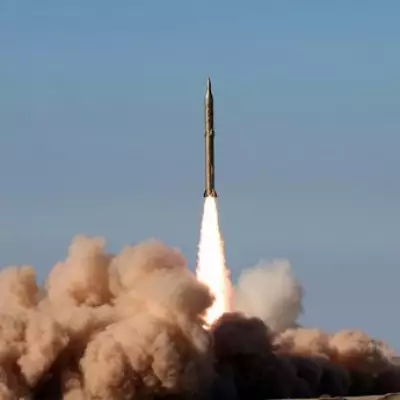
Security concerns have also escalated, with Iran attempting to strike the UK-US military base on Diego Garcia using missiles. While Sir Keir confirmed that no missiles hit the Chagos Islands, he acknowledged that two were headed in that direction. He downplayed the risk of direct attacks on the UK, stating there is no assessment that Britain is being targeted in such a manner.
Focus on De-escalation and National Interests
The Prime Minister reiterated his commitment to protecting British interests and lives without being drawn into the war. He called for de-escalation, referencing a recent multinational statement on the Strait of Hormuz that emphasizes careful coordination and a viable plan. Sir Keir's strategy balances defense priorities with diplomatic efforts to reduce tensions and safeguard economic stability.
As the Cobra meeting unfolds, the government's response will be closely watched, with implications for energy policies, financial markets, and public confidence in the face of ongoing international turmoil.