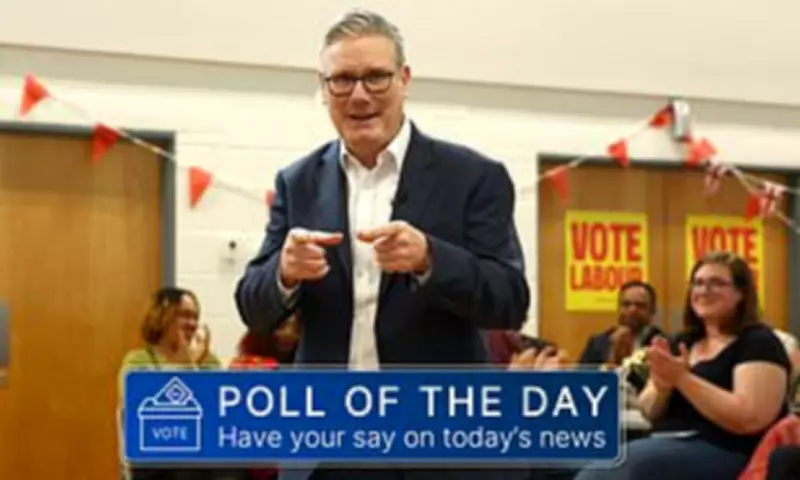
Labour leader Sir Keir Starmer declared on Wednesday that his government will actively pursue stronger economic connections with the European Union, citing the ongoing conflict in Iran as a key motivator for this strategic shift. This announcement marks a significant policy direction aimed at deepening regulatory and trade cooperation with the bloc.
Food Deal Proposal Sparks Controversy
As part of this initiative, a planned food agreement with the EU will introduce new regulations that could require traditional British marmalade to be relabeled as citrus marmalade. This change is designed to align the UK's food standards more closely with the EU's regulatory framework, facilitating smoother trade and reducing barriers.
Tory Backlash and Bureaucracy Claims
The proposal has already faced fierce criticism from Conservative MPs. Senior Tory figure Priti Patel condemned the move in an interview with the Daily Mail, branding it as "nonsense bureaucracy" emanating from Brussels. Patel argued that such regulatory adjustments are unnecessary and could burden British businesses with additional costs and complexities.

Strained US-UK Relations Over Iran
Starmer's push for closer EU ties comes at a time when relations between the United States and the United Kingdom have become increasingly tense. The strain is primarily due to Starmer's refusal to commit the UK to deeper involvement in the Iran War, a stance that has created diplomatic friction with American allies.
In his remarks, Starmer acknowledged that the conflict in Iran would impact the UK, but he emphasized that his government is implementing measures to mitigate the cost of living crisis. "I do think that when it comes to defense and security, energy, emissions and the economy, we need a stronger relationship with Europe," he stated, underscoring the multifaceted benefits of enhanced EU collaboration.
Public Opinion Poll on London Safety
In a related development, a recent poll conducted by the Daily Mail asked readers whether they agreed with London Mayor Sadiq Khan's assertion that London is a safe city. The results revealed overwhelming skepticism, with nearly 12,500 participants casting votes. A staggering 97 percent responded "no," while only 3 percent said "yes," highlighting significant public concern over safety issues in the capital.
This poll outcome adds another layer to the political landscape, as Starmer's government navigates both international alliances and domestic priorities. The combination of EU alignment efforts, regulatory changes like the marmalade renaming, and ongoing geopolitical tensions paints a complex picture for UK policy in the coming months.