Starmer Rejects Trump's Hormuz Blockade Plan as Economic Fallout Looms
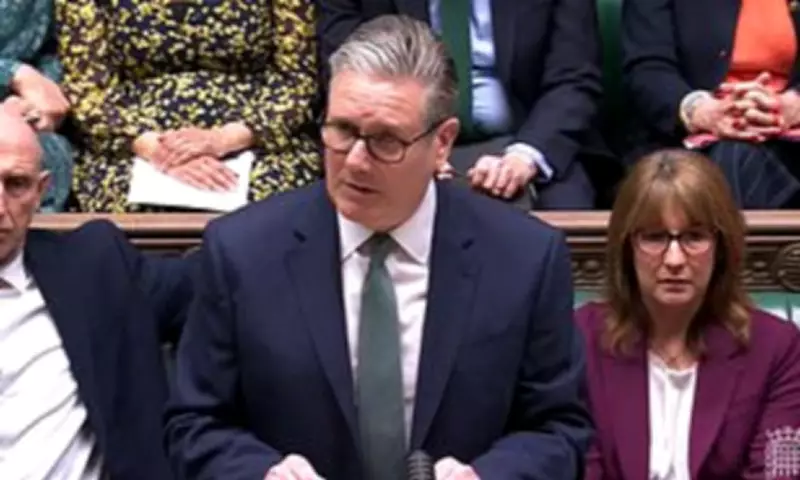
Prime Minister Keir Starmer has publicly rejected Donald Trump's plan to blockade the Strait of Hormuz, warning that the economic consequences of the Iran crisis will persist long after the conflict ends. In a clear divergence from US policy, Starmer confirmed that Britain will play no part in the American President's latest strategic move, which took effect at 3pm today.
UK Stance on Freedom of Navigation
Speaking on BBC Radio 5 Live, Starmer insisted that while Britain stands ready to help restore freedom of navigation through the crucial channel, such efforts "will take time" and can only proceed "once the conflict ends." The Prime Minister emphasized, "We are not supporting the blockade. What we've been doing is bringing countries together to keep the Straits open and not shut."
Starmer stressed the urgent need to reopen the strait, through which approximately one-fifth of global oil and gas passes. "All the time the Strait is shut or not that means oil and gas is not getting to market, the price is going up," he warned. "It is vital that we get the strait open and fully open."

Economic Impact and Household Pressures
The economic ramifications are already being felt worldwide, with Brent Crude trading above $100 a barrel following the collapse of negotiations with Iran. Starmer acknowledged the "untold damage" the standoff is causing to economies, but stopped short of announcing any new support measures for struggling British families.
According to the Resolution Foundation think-tank, typical middle-earner households will be £480 worse off this year than they would have been without the economic shockwave. The analysis reveals that while working-age households were previously on course for a 0.9% income boost, they will now experience a 0.6% reduction instead.
Britons face mounting pressures with pump prices already skyrocketing, energy bills set to follow suit, and hopes of interest rate cuts now on hold. Despite many other countries cutting fuel duty, Starmer refused to commit to any action on the UK's scheduled September increase.
International Diplomacy and Military Considerations
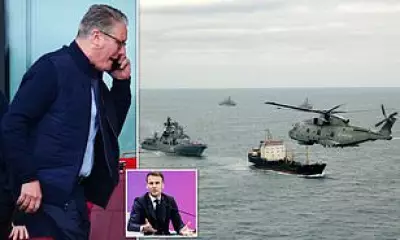
The Prime Minister discussed "the need to work with a wide coalition of partners to protect freedom of navigation" during a conversation with French President Emmanuel Macron. A joint UK-French summit on a peacekeeping mission is scheduled for this week, with Macron describing it as "a strictly defensive mission, separate from the warring parties to the conflict, intended to be deployed as soon as circumstances permit."
Starmer revealed that the UK has convened more than 40 nations who share the aim of restoring freedom of navigation. "This week the UK and France will co-host a summit to advance work on a coordinated, independent, multinational plan to safeguard shipping when the conflict ends," he stated.
While Trump claimed that "the UK and a couple of other countries are sending mine sweepers" to the strait, British mine hunting systems in the region are thought to be drones that would only deploy once the situation stabilizes. The US President declared he would "clean out the Strait" and warned, "Any Iranian who fires at us, or at peaceful vessels, will be BLOWN TO HELL!"
Broader Consequences and Market Reactions
The blockade announcement comes after peace talks with Iran, led by US Vice President JD Vance in Islamabad, broke down on Saturday. Since Iran closed the Strait at the beginning of its conflict with the US in February, oil and gas prices have soared while stock markets have fallen.
Airlines have warned of higher ticket prices as jet fuel costs have doubled, and supermarkets are likely to introduce price hikes due to increased importing and packaging expenses. The RAC noted that petrol and diesel price rises had been slowing before the latest spike in oil prices.
A UK Government spokesman reiterated the official position: "We continue to support freedom of navigation and the opening of the Strait of Hormuz, which is urgently needed to support the global economy and the cost of living back home. As an international shipping route, the Strait of Hormuz must not be subject to tolling."

The spokesman added that Britain is "urgently working with France and other partners to put together a wide coalition to protect freedom of navigation." Meanwhile, reports suggest Trump is considering resuming limited military strikes in Iran alongside the blockade to achieve a breakthrough in peace negotiations.