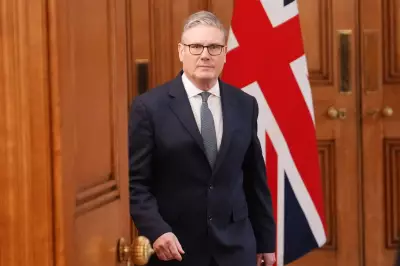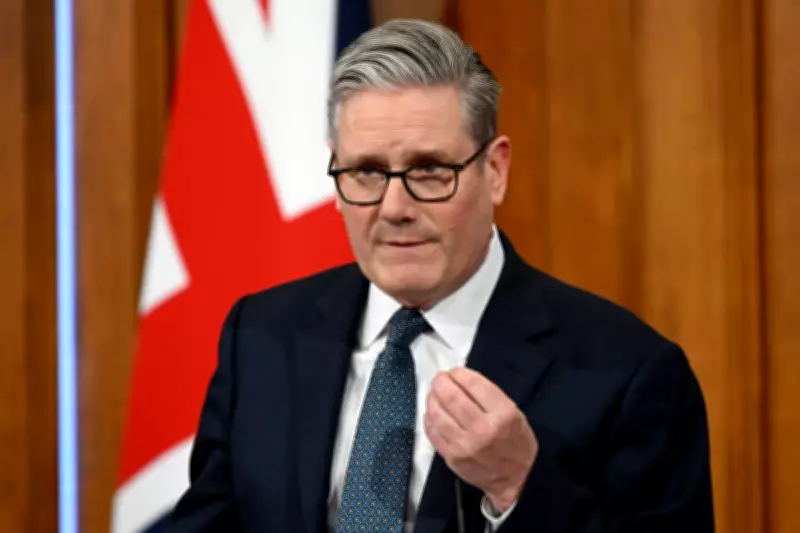
Prime Minister Sir Keir Starmer is set to reassure the British public as the Middle East conflict involving Iran enters its tenth day. The Prime Minister will visit a London community centre on Monday to discuss the direct impact of the escalating situation on people across the United Kingdom.
Public Reassurance and Security Measures
Ahead of his visit, Sir Keir emphasised that the UK government is "working round the clock to keep British citizens safe" and acknowledged that many Britons are "worried sick" for friends and family caught in the region. He detailed ongoing efforts, stating: "Staff are on the ground to support those in need, government-provided flights are helping people get home, and our tireless armed forces are flying across the region to defend our allies and our interests."
This reassurance comes as more than 32,000 British nationals have evacuated the region by air since March 1, with a third government charter flight scheduled to depart from Muscat, Oman, and plans for an additional commercial flight from Dubai early this week.
Economic Impact and Market Turmoil
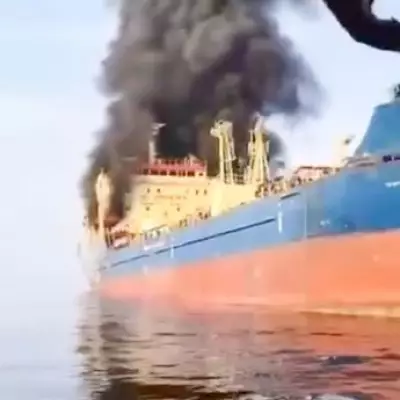
The conflict has triggered significant economic repercussions globally. Asian markets experienced sharp declines early on Monday as oil prices surged to approximately $114 (£85.5) per barrel due to supply disruptions stemming from the hostilities. This market volatility underscores the broader financial strain the conflict is placing on the global economy.
Military Developments and International Relations
The UK's military involvement has evolved in response to the crisis. After initially withholding permission for the first wave of military action against Iran, Sir Keir later authorised "defensive" US operations against Iranian missile sites from UK bases. This decision saw four American bombers land at RAF Fairford in Gloucestershire, with US forces utilising British facilities for specific defensive missions.
Meanwhile, UK forces have been actively engaged in defensive operations, including intercepting an attack drone fired from Iran to Iraq. RAF Typhoons and F-35 jets are conducting defensive sorties across the region, with a Merlin helicopter—capable of flying up to a mile high to provide early warning of incoming drones or missiles—set to join these efforts.
Political Tensions and Diplomatic Rifts
The conflict has exposed diplomatic strains, particularly with the United States. US President Donald Trump has repeatedly criticised Sir Keir's initial reluctance to grant military permissions, claiming in a social media post that UK assistance came too late and stating, "we don't need them any longer" regarding reports of the HMS Prince of Wales aircraft carrier potentially deploying to the Middle East. No final decisions have been made about deploying the warship.
Sir Keir has sought to downplay these tensions, asserting that the special relationship between the UK and US remains "in operation right now," highlighted by shared intelligence and collaborative efforts in the region. However, Foreign Secretary Yvette Cooper robustly defended the Prime Minister's stance, arguing that he is "right to stand up for Britain and Britain's interests" and that the UK must "take decisions ourselves" rather than "outsourcing our policy to foreign countries."
Domestic and International Criticism
The government's approach has faced criticism from various quarters. Liberal Democrat leader Sir Ed Davey has urged Sir Keir to cancel the King's state visit to the US in protest against what he termed Mr Trump's "illegal war" and the US leader's repeated insults towards the UK. Additionally, former Prime Minister Sir Tony Blair privately commented that the UK "should have backed America from the beginning," a view dismissed by Ms Cooper, who referenced lessons learned from the Iraq conflict.
Internationally, Britain has faced scrutiny over the defence of Cyprus, where a UK base was struck by a drone last week. This incident comes as French President Emmanuel Macron prepares to travel to Cyprus for meetings with Cypriot and Greek leaders, highlighting the broader European security concerns in the region.
Leadership Transition in Iran
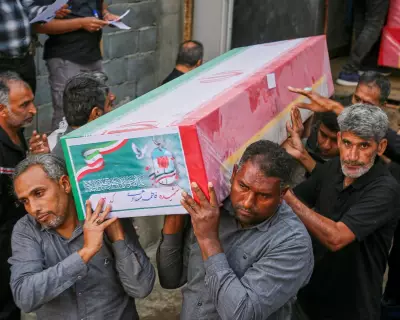
The conflict's political landscape shifted significantly when Iran's supreme leader was killed in an Israeli strike at the outbreak of hostilities. In a consequential development, his son Mojtaba Khamenei was named as his successor on Sunday. This appointment is likely to provoke strong reactions from US President Trump, who has previously labelled Mojtaba Khamenei an "unacceptable" choice, potentially further complicating diplomatic relations.
As the conflict persists into its tenth day, the UK government continues to navigate a complex web of security, economic, and diplomatic challenges, with Sir Keir's community centre visit symbolising an effort to maintain public confidence amid ongoing uncertainty.