Keir Starmer Confronted by Labour MPs Over Stalled Assisted Dying Legislation
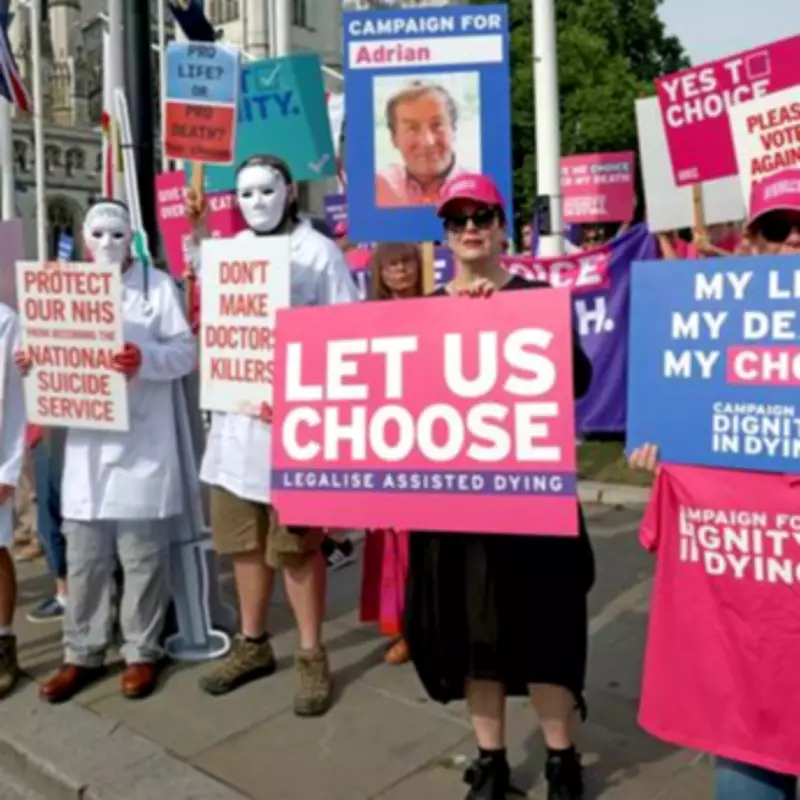
More than 100 Labour MPs have issued a direct appeal to Prime Minister Keir Starmer, urging him to intervene and safeguard plans to legalise assisted dying. This major demand comes amid mounting accusations that critics are employing procedural tactics to block the legislation from becoming law. The MPs' letter highlights a critical juncture for the historic bill, which was passed by the House of Commons last June but has since encountered significant delays in the House of Lords.
Parliamentary Deadlock Threatens Assisted Dying Bill
The Terminally Ill Adults (End of Life) Bill, which would permit terminally ill adults in England and Wales with fewer than six months to live to request an assisted death, has stalled in the upper chamber. Since its passage in the Commons, over 1,200 amendments have been tabled in the Lords, leading to very slow progress in debates. With the current parliamentary session set to conclude in May, time is rapidly running out for the bill to complete all necessary stages.
Lord Falconer, the bill's sponsor in the House of Lords, has expressed grave concerns about its prospects. He stated there is "absolutely no hope" that the legislation will reach the statute book in this session without a "fundamental change" in the tactics used by opponents. Currently, with only three days remaining for the bill to advance, more than 600 amendments still await debate, even before other parliamentary stages can be addressed.

Labour MPs' Letter Calls for Democratic Resolution
In a letter organised by consultant doctor and Labour MP Peter Prinsley, the MPs articulated their frustration with the procedural obstacles. They wrote, "A small number of peers have been using procedural tactics to block the Bill in the House of Lords and it now appears very likely that they will prevent it returning to the Commons before the end of this session." The letter emphasises that while the government maintains neutrality on the principle of assisted dying, it should not remain neutral on the democratic principle that elected representatives in the Commons should decide the matter.
The MPs underscored strong public support for legal change, noting, "Our constituents, in every part of the country, strongly support a change in the law and it is clear to us that the issue must be resolved sooner rather than later." Their request is straightforward: that time be allocated in the next parliamentary session for Parliament to reach a decision, whether or not the bill returns through the private members' bill ballot after the King's Speech. They assured that this would remain a conscience issue for MPs, with the government's neutrality intact and without encroaching on time reserved for government business.
Potential Use of Parliament Act to Break Impasse
In January, Lord Falconer suggested invoking the Parliament Act of 1911 to ensure debates conclude before time expires. This rarely used legislation allows bills backed by the Commons in two successive sessions—but rejected by the Lords—to pass into law without approval from the upper house. It establishes the supremacy of the elected Commons over the appointed Lords.
At the time, Commons Leader Sir Alan Campbell expressed hope that peers would scrutinise the bill responsibly, avoiding the need for such measures. He said, "The Government position hasn't changed, which is, once the Lords have completed their scrutiny, if necessary, we will find time in this place to debate those amendments, because the will of this House was very clear." Sir Alan added that he hoped the matter could be resolved without resorting to the Parliament Act.
Details of the Proposed Assisted Dying Legislation
The proposed legislation outlines a regulated framework for assisted dying. Under the bill, terminally ill adults with a prognosis of fewer than six months could apply for an assisted death. Approval would require assessment by two doctors and a panel comprising a social worker, a senior legal figure, and a psychiatrist. This stringent process aims to ensure safeguards are in place, addressing concerns about abuse or coercion while providing compassionate options for those facing unbearable suffering at the end of life.

As the parliamentary clock ticks down, the pressure on Keir Starmer and the government intensifies. The outcome will not only affect the fate of this specific bill but also set a precedent for how contentious moral and ethical issues are handled in the UK's legislative process. With public opinion largely in favour of reform, the coming weeks will be crucial in determining whether assisted dying becomes law or remains mired in political gridlock.