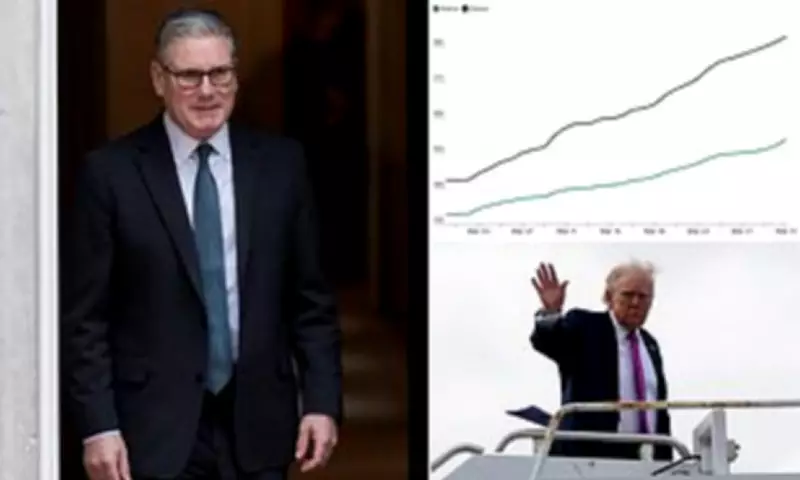
Prime Minister Keir Starmer is under mounting pressure to prepare the British public for the potential economic fallout from the escalating Middle East crisis. Today, he is holding a Downing Street press conference to update the nation on the government's response, following recent provocative comments from former US President Donald Trump.
Government Response to Crisis
Sir Keir is expected to emphasise the need for calm and stability during this volatile period. He will highlight that the energy price cap is currently keeping domestic bills lower for the next three months, providing some temporary relief to households. However, internal government sources reveal growing calls for more proactive measures to brace the public for impending challenges.
Fuel Supply Concerns
Business Secretary Peter Kyle has been actively touring broadcast studios, insisting there are currently no signs of fuel shortages in the UK despite alarming rises in pump prices. "We have no fuel supply chain issues at this moment at all," Mr Kyle stated during an interview. "People need to realise that our country is well supplied when it comes to critical infrastructure and fuel."

Nevertheless, fears are intensifying as Iran maintains a blockade on the strategically vital Strait of Hormuz. Approximately one-fifth of the world's oil supplies typically pass through this channel, creating significant knock-on effects for various products including fertiliser and aluminium.
Industry Warnings and Inflation
The food industry has raised alarms about inflation potentially approaching double digits by year's end. Meanwhile, the chief executive of RyanAir has suggested potential jet fuel supply issues could emerge as early as next month. These concerns come as RAC figures show average diesel prices at UK forecourts have reached 182.8p per litre, representing a 40p increase since the conflict began.
Public Preparedness Calls
One government minister speaking anonymously to the Daily Mail advocated for more substantial public guidance, similar to recent recommendations from the International Energy Agency. "We should be making more effort to brace people for what they need to do," the minister said. "Drive at 55, work from home, reduce non-essential travel – the measures the IEA discussed. These challenges are approaching, and we need to help guide people toward actions that can reduce fuel consumption and energy bills."
Chancellor's Stance on Fuel Duty
Chancellor Rachel Reeves has downplayed prospects for a fuel duty cut, emphasising during a BBC Breakfast interview that any financial support would be directed toward poorer households rather than middle-income earners. Ms Reeves highlighted that fuel duty has already been frozen until September and expressed concerns about government borrowing levels.
International Pressure and Comments
Donald Trump has intensified pressure on the UK, suggesting that countries which did not participate in strikes against Iran should secure the Strait of Hormuz themselves. In a Truth Social post, the former US president wrote: "All of those countries that can't get jet fuel because of the Strait of Hormuz, like the United Kingdom, which refused to get involved... I have a suggestion for you: buy from the U.S., we have plenty, and build up some delayed courage, go to the Strait, and just TAKE IT."
Medicines Supply Concerns
Business Secretary Peter Kyle addressed concerns about medicine supplies after NHS England chief executive Sir Jim Mackey expressed particular worry about specific live medicines. Mr Kyle clarified that these concerns relate to "one very specific medicine type" rather than all NHS medications, adding that the government is examining the issue.
Energy Market Developments
While the Ofgem price cap has decreased by 7% (approximately £117 annually) to £1,641 starting this month, respected energy analyst Cornwall Insight predicts the cap could rise to £1,929 from July to September – an £288 increase representing an 18% jump. This forecast underscores the volatile nature of current energy markets.

Political Responses
Shadow Chancellor Mel Stride has called for additional cost-of-living relief, stating his party would "get Britain drilling in the North Sea, cut bills by £200, lower taxes, and deliver a stronger economy." Meanwhile, Prime Minister Starmer marked the beginning of April by stating: "In an uncertain and volatile world, it is my Government's duty to protect the British people at home and abroad. I know the public are concerned about the conflict in Iran and what it means for them and their families."
Sir Keir emphasised his government's focus on "working with allies on de-escalation and bearing down on the cost of living," while noting that millions would see energy bills decrease, wages increase for the lowest paid, and additional support become available for those most in need.
Looking Ahead
The Prime Minister stressed that further action is necessary to reduce costs, particularly through diplomatic efforts toward Middle East de-escalation and reopening the Strait of Hormuz. "That is the best way we can bring down the cost of living for families," Sir Keir asserted, "and that is my focus." As the situation develops, the government faces the dual challenge of managing international relations while mitigating domestic economic impacts from the ongoing crisis.