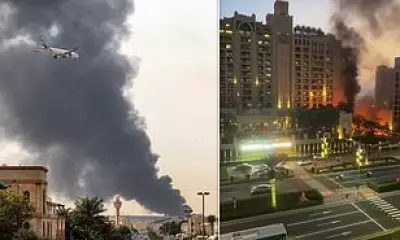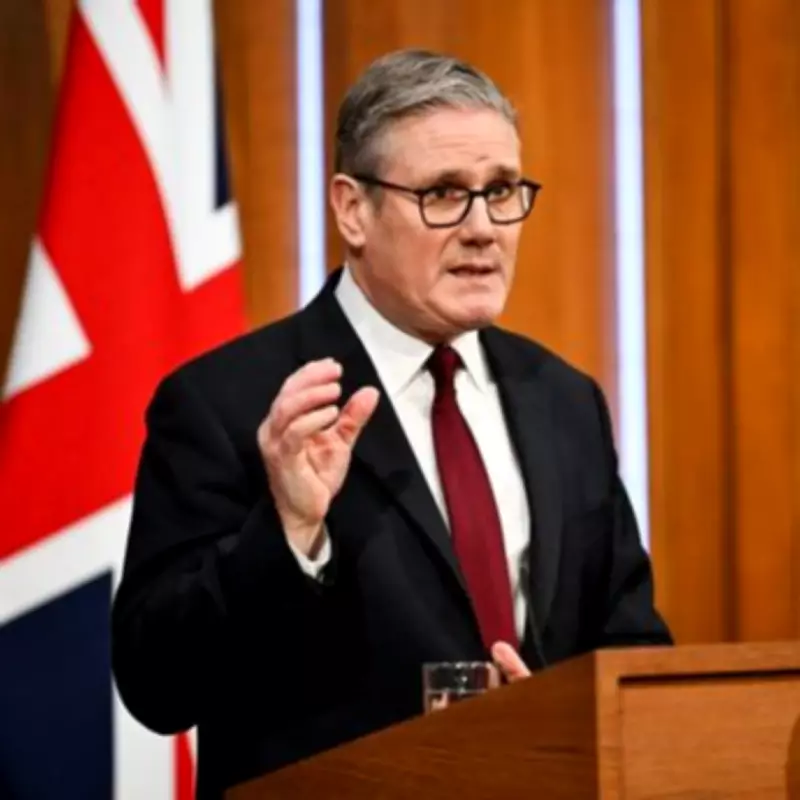
Prime Minister Keir Starmer is scheduled to host a press conference on Wednesday morning, following an emergency COBRA meeting focused on the intensifying Middle East conflict. The event, set for 10am, will provide a detailed update on the government's strategies to assist families grappling with the cost of living, as the war between the US, Israel, and Iran enters its fifth week.
Escalating Conflict and Global Impact
The ongoing hostilities have significantly driven up global energy prices, raising concerns over potential petrol shortages and broader economic instability. In a critical development, Iran's blockade of the Strait of Hormuz—a vital shipping route—threatens to disrupt food supplies by impeding fertiliser shipments from Gulf nations. This situation has been exacerbated by former US President Donald Trump's controversial remarks, where he urged the UK and other allies to "go get your own oil," distancing himself from the conflict.
Government Support Measures
Chancellor Rachel Reeves has announced that government support for energy bills, inflated by the Iran war, will be tailored based on household income. She emphasised that the administration is "preparing for all eventualities" and exploring targeted measures to mitigate the financial strain on citizens. During the press conference, Starmer is expected to highlight key cost of living initiatives from November's Budget that are now taking effect.

These measures include a boost for millions of workers on the national minimum wage, a reduction in the energy price cap by an average of £117 until June, and a freeze on prescription costs. Downing Street has reiterated that the Prime Minister is actively collaborating with international allies to de-escalate the Middle East conflict, asserting that this approach is "the surest and quickest way to bring down pressures on prices" domestically.
Broader Implications and Preparedness
The press conference will also address the broader implications of the conflict on UK households, including potential impacts on food security and energy affordability. With the crisis showing no signs of abating, the government's response aims to balance immediate relief with long-term stability, ensuring that vulnerable populations receive adequate support during these turbulent times.