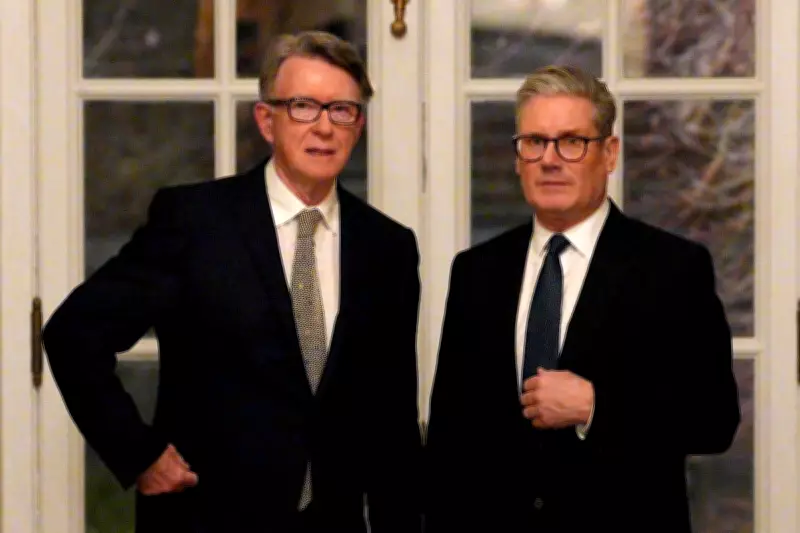
Starmer Demands Full Explanation After Foreign Office Overrides Mandelson Security Clearance
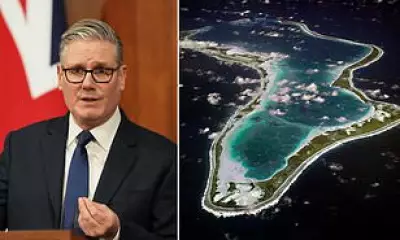
Prime Minister Sir Keir Starmer has ordered the Foreign, Commonwealth and Development Office to provide an immediate and comprehensive explanation after it emerged that departmental officials overruled security vetting procedures to appoint Lord Peter Mandelson as Britain's ambassador to the United States. The Prime Minister was reportedly unaware until this week that developed vetting clearance had been granted to Mandelson against the explicit advice of UK Security Vetting officials.
Security Process Overridden Despite Initial Denial
According to reports from The Guardian, security officials initially denied the peer clearance through the secretive UKSV process last January. This rejection occurred after Sir Keir had already publicly announced Mandelson's appointment as Britain's top diplomat in Washington. In an unusual procedural move, Foreign Office officials then exercised rarely used authority to override the security recommendation and grant the necessary developed vetting clearance.
A Government spokesperson confirmed: "The decision to grant developed vetting to Peter Mandelson against the recommendation of UK Security Vetting was taken by officials in the FCDO." Downing Street sources indicate the Prime Minister is "absolutely furious" about the situation and has immediately instructed officials to establish the full facts surrounding why the vetting was granted despite security concerns.

Parliamentary Scrutiny Intensifies
The Foreign Office's most senior civil servant, Sir Olly Robbins, has been summoned to reappear before Parliament's Foreign Affairs Committee next week to provide detailed explanations about what transpired. Committee chairwoman Dame Emily Thornberry expressed significant concerns about the transparency of information provided to Parliament, noting carefully worded communications from Foreign Secretary Yvette Cooper that described the vetting process without acknowledging the override.
"It says he was vetted, and it says he was appointed, but it doesn't say it was overridden," Dame Emily stated. "I'm saying that people have basically been telling us half the story." Reports suggest the Prime Minister may deliver a statement to Members of Parliament as early as Monday, though Number 10 has not confirmed this timeline.
Political Fallout and Calls for Resignation
The controversy has triggered significant political backlash, with opposition leaders demanding accountability. Conservative leader Kemi Badenoch declared: "It is preposterous for Starmer to claim he did not know Mandelson failed security vetting. If the Prime Minister doesn't know what's happening in his own office, he shouldn't be in charge of our country."
Liberal Democrat leader Sir Ed Davey emphasized: "If this is true, the PM should've told Parliament at the earliest opportunity, not waited for the media to force the truth out. His failure to do that alone is surely a breach of the Ministerial Code." Both the Green Party and Reform UK have joined calls for Sir Keir to resign over the matter.
Background of Epstein Connections and Warnings
Lord Mandelson, a political appointee rather than career diplomat, was ultimately dismissed from his Washington role last September when additional details emerged about his relationship with convicted paedophile financier Jeffrey Epstein, who died in 2019. Sir Keir has faced sustained criticism for appointing Mandelson despite awareness that his dealings with Epstein continued after the financier's conviction for child sex offences.
Documents released last month revealed that the Prime Minister received warnings before announcing Mandelson's ambassadorship about "general reputational risk" stemming from his association with Epstein. This initial assessment came from Cabinet Office checks based on publicly available information. The subsequent, more confidential background vetting by security officials occurred after the announcement but before Mandelson assumed his role in February 2025.

Broader Implications for Government Processes
Mike Clancy, general secretary of the Prospect trade union representing UKSV vetting officers, expressed concern that Downing Street had "allowed the impression to circulate that the vetting of Peter Mandelson had not been done correctly by UK Security Vetting." He emphasized that civil servants working in sensitive government areas cannot speak publicly and "deserve ministers to take responsibility for the decisions they take and not to seek to deflect blame on to them."
When Sir Keir's former chief of staff Morgan McSweeney resigned in February, he accepted "full responsibility" for providing advice that led to the "wrong" appointment decision while simultaneously calling for the vetting process to undergo fundamental reform. Additional documents related to Mandelson's appointment remain scheduled for release following parliamentary requests, ensuring this controversy will continue to receive intense scrutiny in coming weeks.