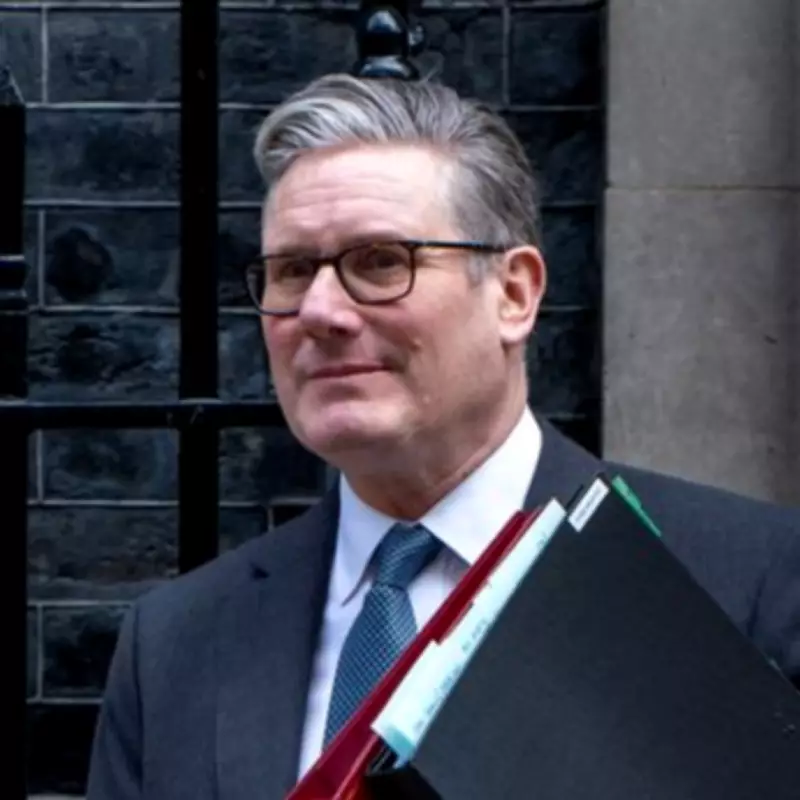
Prime Minister Keir Starmer has launched a scathing attack on Conservative leader Kemi Badenoch, branding her reversal on UK involvement in Middle East military action as the "mother of all U-turns." The dramatic confrontation unfolded during Prime Minister's Questions, highlighting stark political divisions over foreign policy.
Rapid Policy Reversal Sparks Parliamentary Clash
The controversy centers on Badenoch's shifting stance regarding potential British participation in US and Israeli offensive strikes against Iran. According to Starmer, the Tory leader initially advocated for UK involvement alongside American and Israeli forces, only to completely abandon that position less than a week later.
"The leader of the opposition attacked me relentlessly for deciding we should not join the initial US/Israeli offensive against Iran," Starmer told Parliament. "She insisted the UK should have participated in those initial strikes. Then yesterday, facing economic consequences, she totally reversed course, telling the BBC 'I never said we should join' and 'I haven't said we should have gone in with the United States.'"

War Commitment Questions Dominate Exchange
Starmer emphasized the gravity of such policy fluctuations, stating: "That is the mother of all U-turns on the single most important decision a Prime Minister can ever take - whether to commit the United Kingdom to war or not." The Prime Minister's remarks drew laughter from some MPs, to which he responded: "I know they don't want to hear it. I wouldn't want to hear it if I was them either."
The exchange originated when Badenoch questioned Starmer about timing regarding a planned 5p increase in fuel duty scheduled for September. The Prime Minister responded that the government would "keep the situation under review in light of what is happening in Iran," before pivoting to criticize Badenoch's inconsistent position on military engagement.
Shadow Cabinet Statements Highlight Inconsistency
Starmer further underscored the opposition's contradictory messaging by referencing statements from Badenoch's own team. "The day after the initial US/Israeli strikes took place, her shadow foreign secretary said the attacks were 'absolutely right and it's a position my party supports,'" Starmer revealed. "Last Wednesday, the leader of the opposition herself declared 'we are in this war whether we like it or not.'"
This rapid policy reversal comes amid escalating tensions in the Middle East and growing concerns about potential economic repercussions from regional conflict. The Prime Minister stressed that de-escalation remains the government's priority, while simultaneously highlighting what he characterized as opposition incoherence on matters of national security and military commitment.
The parliamentary clash reveals deepening political fractures over Britain's role in international conflicts and demonstrates how domestic policy issues like fuel duty become entangled with broader foreign policy debates. As Middle East tensions continue to evolve, political leaders face increasing pressure to maintain consistent, principled positions on matters of war and peace.