Starmer Chairs Emergency COBR Meeting Amid Iran War Economic Crisis Warnings
Starmer Holds Emergency COBR Meeting on Iran War Economic Crisis

Starmer Convenes Emergency COBR Meeting as Iran War Sparks Economic Crisis Fears

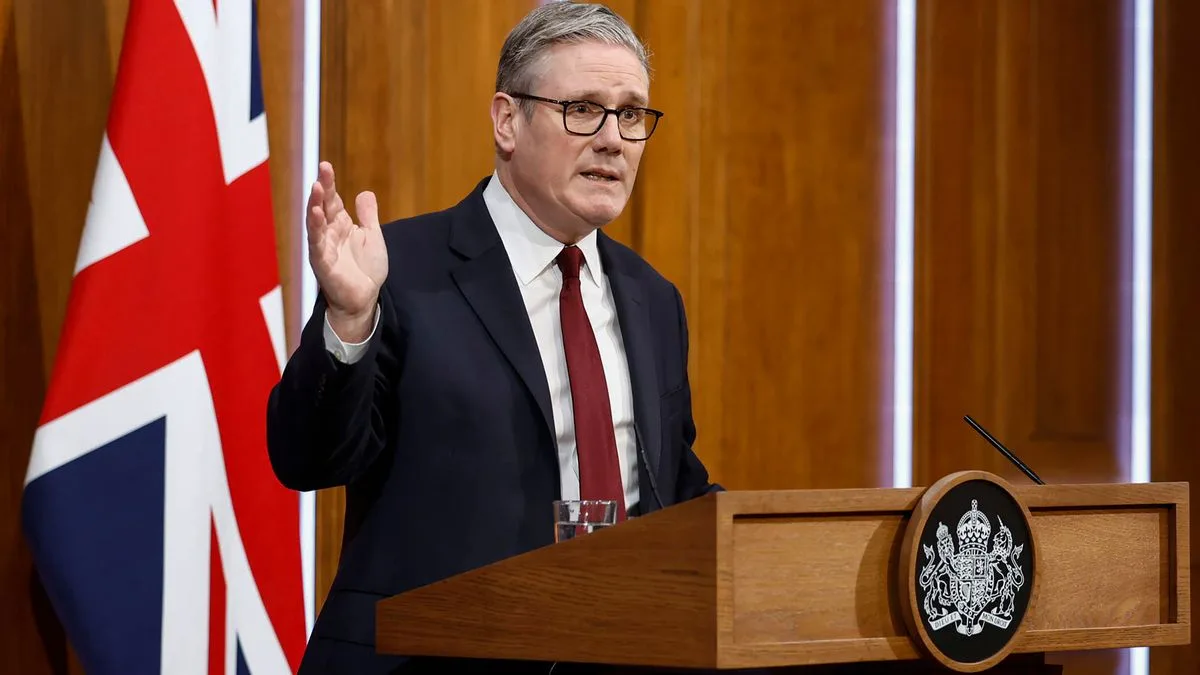
Prime Minister Keir Starmer is set to chair an urgent meeting of the Cabinet Office Briefing Rooms (COBR) on Monday, focusing on the escalating Middle East conflict and its severe impact on the cost of living. The gathering will include key ministers and Bank of England Governor Andrew Bailey, amid warnings from union leaders that Britain faces a potential economic crisis due to the war between the US, Israel, and Iran.

High-Level Discussions on Economic Fallout

The Treasury has confirmed that Starmer and his senior team, including Chancellor Rachel Reeves, Energy Secretary Ed Miliband, and Foreign Secretary Yvette Cooper, will deliberate on the economic repercussions of the Middle East crisis. Topics on the agenda include the effects on families and businesses, energy security, and the resilience of supply chains. A Treasury spokesperson emphasised, "As the Chancellor outlined to Parliament, the economic impact will depend on the severity and duration of the situation. The government remains responsive to global uncertainties and will act responsibly in the national interest."

Union Calls for Urgent Action and Taskforce

The Trades Union Congress (TUC) has urged the government to establish an emergency taskforce as the conflict enters its fourth week. Drawing on lessons from the pandemic response in 2020, which helped prevent mass lay-offs, the TUC advocates for a "national, urgent, and collaborative" approach involving unions and employers to develop contingency plans. In a statement for The Mirror, TUC General Secretary Paul Nowak warned, "Britain is staring down the barrel of another economic crisis—one caused by Donald Trump’s reckless and illegal war with Iran." He stressed that hesitation could force working families to bear the brunt through job losses, wage cuts, and reduced services.

Wide Pickt banner — collaborative shopping lists app for Telegram, phone mockup with grocery list

Energy Price Concerns and Fuel Rationing Reassurances

Amid the turmoil, energy prices are under scrutiny. Chris O'Shea, CEO of Centrica (owner of British Gas), suggested on BBC's Sunday With Laura Kuenssberg that price increases might be "inescapable" if the war persists. He noted, "Cornwall Insight has predicted an increase in prices. If it stays as it is, then I think that's inescapable, but speculation is unhelpful until we see developments over the next 10 weeks." Meanwhile, Cabinet minister Steve Reed reassured the public that there is no need for fuel rationing, stating, "People should buy fuel as usual. If circumstances change, the government will assess what's required."

Political and Military Implications

The crisis has political dimensions, with Starmer granting the US permission to use British bases for strikes on Iranian missile sites targeting ships in the Strait of Hormuz. However, he has insisted the UK will not be drawn into the wider war. When questioned about a parliamentary vote on this decision, Reed responded, "It would be unprecedented to call a vote on defending British people and assets. The UK did not participate in initial offensive actions due to a lack of legal basis." This comes as former US President Donald Trump issued a 48-hour ultimatum to Iran to open the Strait of Hormuz, threatening to destroy power plants if demands are not met.

The emergency COBR meeting underscores the government's proactive stance in navigating the complex economic and security challenges posed by the Iran war, with a focus on mitigating impacts on households and the broader economy.

Pickt after-article banner — collaborative shopping lists app with family illustration




