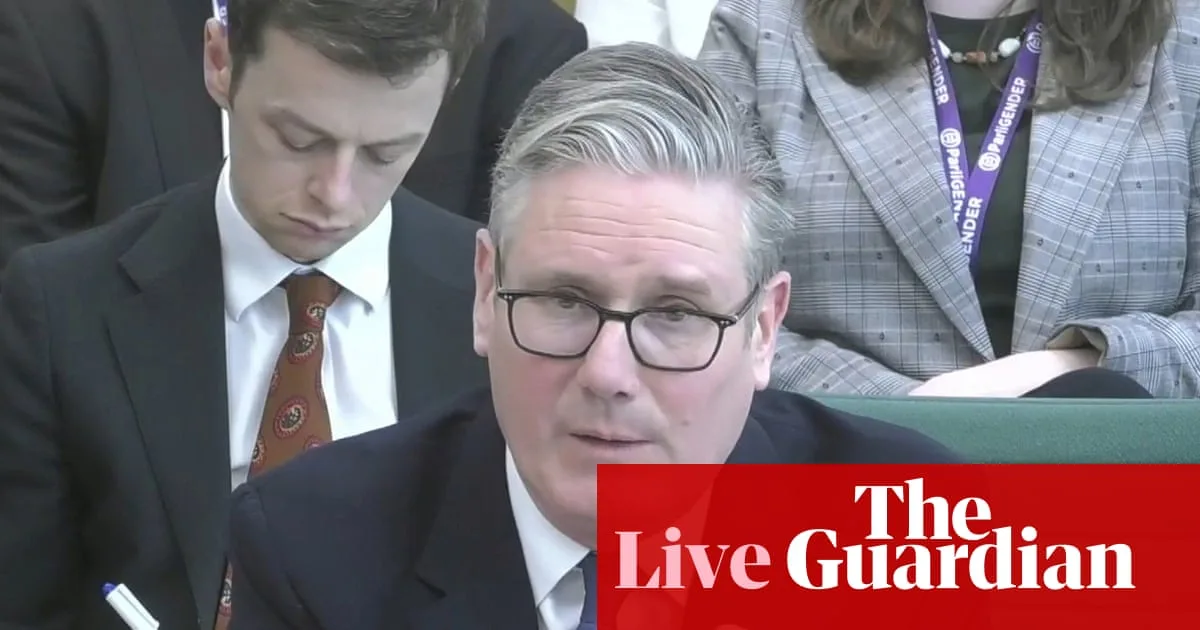
Prime Minister Sir Keir Starmer has insisted he is “unapologetic” about prioritising the British national interest, as he faced questions about how he deals with US President Donald Trump’s often “rude” remarks. Giving evidence to the Commons liaison committee, Starmer said a lot of what is said or done by others is “undoubtedly” intended to put pressure on him, but he will not be wavering.
Starmer was asked by Labour MP Meg Hillier how he copes with Trump, who she said could be “quite rude” about the UK one day and different the next. The PM replied: “I’m utterly focused on what’s in the best interests of our country, and I’m unapologetic about that. Notwithstanding the pressure that comes from elsewhere, I will remain laser-focused on what is in the British national interest.”
The comments come after Trump posted a mocking video on his Truth Social platform, but Starmer declined to name the president directly. Instead, he highlighted his work chairing a meeting of the government’s Cobra emergency committee to address the economic consequences of the Iran war, and hinted that any help with energy bills would be targeted at those most in need.

Meanwhile, the RAC reported that average petrol prices have risen more than 14p a litre to 147.19p since late February, adding £8 to the cost of filling a family car. Diesel has surged 29p to 171.17p, its highest since January 2023. RAC head of policy Simon Williams said: “Given how many rely on their cars, households are really feeling the effects of the conflict in the Middle East.”
In other news, families affected by state injustice have written to Starmer accusing the government of an “insult” for failing to introduce the promised Hillsborough law in this parliamentary session. Separately, former Tory justice secretary Robert Buckland has been appointed to lead an independent review into missed opportunities that could have prevented the murder of Sir David Amess.