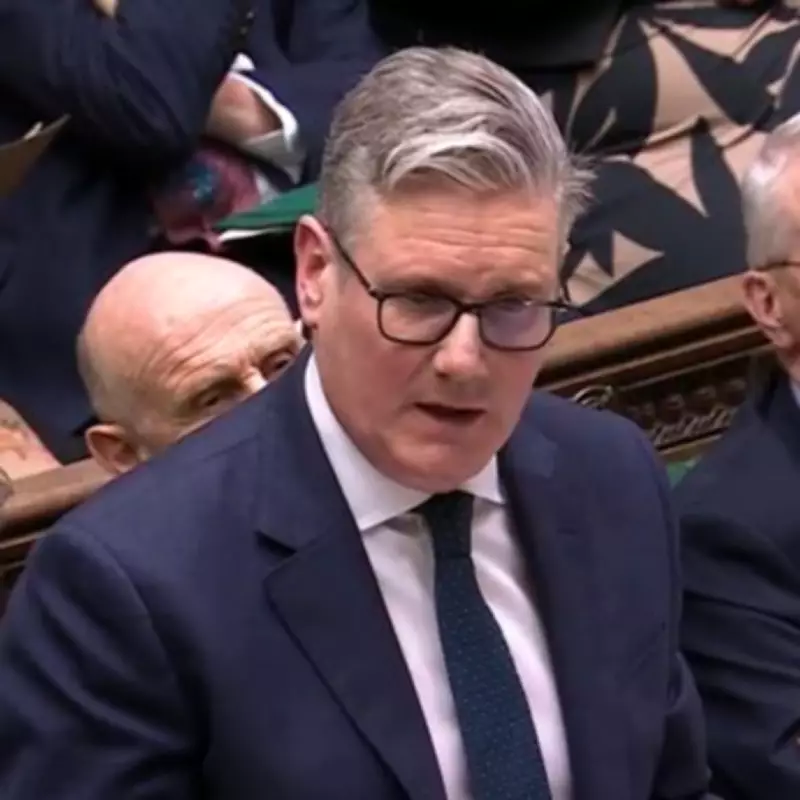
Keir Starmer is set to confront Members of Parliament today during Prime Minister's Questions, following a sharp outburst from Donald Trump amid the escalating Iran crisis. The US President publicly criticised Starmer, stating that the Prime Minister "was not Winston Churchill," in response to initial hesitations over allowing American planes to launch strikes from British bases.
Trump's Criticism and the Iran Conflict
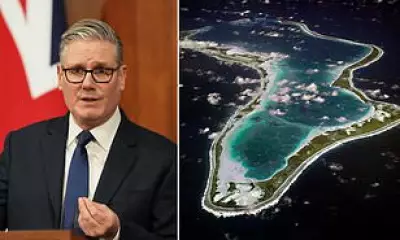
Donald Trump expressed his dissatisfaction during a particularly tense Oval Office question-and-answer session on Tuesday evening. He highlighted delays in military coordination, noting, "I'm not happy with the UK either. That island that you heard about, the lease, for whatever reason he made a lease for the Island, someone came and took it away from them." Trump added, "And it's taken 3-4 days to work out where we can land, it would have been much more convenient landing there as opposed to flying many extra hours. This is not Winston Churchill we're dealing with."
Starmer had previously agreed on Sunday to permit the use of British military bases by American forces, but strictly for defensive strikes targeting Iranian missile sites to protect nations under threat from Iran. Despite this adjustment, the Prime Minister has yet to issue a personal response to Trump's latest remarks, with the Middle East conflict expected to dominate the PMQs session starting at midday.

Economic Implications of the Middle East War
Concurrently, the ongoing war in the Middle East poses significant risks to the UK's economic stability and living standards. The Resolution Foundation, a prominent think tank, has warned that the conflict could undermine growth in living standards for lower-income families. Their overnight analysis of the Spring Statement indicates that while the nation is projected to see an improvement in living standards this year, soaring energy prices triggered by the Middle East turmoil could negate these gains.
Chancellor Rachel Reeves emphasised in her fiscal plan that it is "more necessary than ever before in a world of uncertainty," directly referencing the Iran conflict as a threat to economic stability. However, the Office for Budget Responsibility has revised its GDP growth forecast for 2026 downward to 1.1%, from a previous estimate of 1.4% in November. In contrast, forecasts for 2027 and 2028 have been upgraded slightly from 1.5% to 1.6%, reflecting a cautious outlook amid geopolitical tensions.
The interplay between diplomatic strains with the US and domestic economic challenges underscores the complex landscape Starmer navigates as he prepares to address MPs, with all eyes on how he will handle Trump's pointed criticisms and the broader implications of the Iran crisis.