Starmer's Iran Stance Wins Public Backing as He Defies Trump Pressure
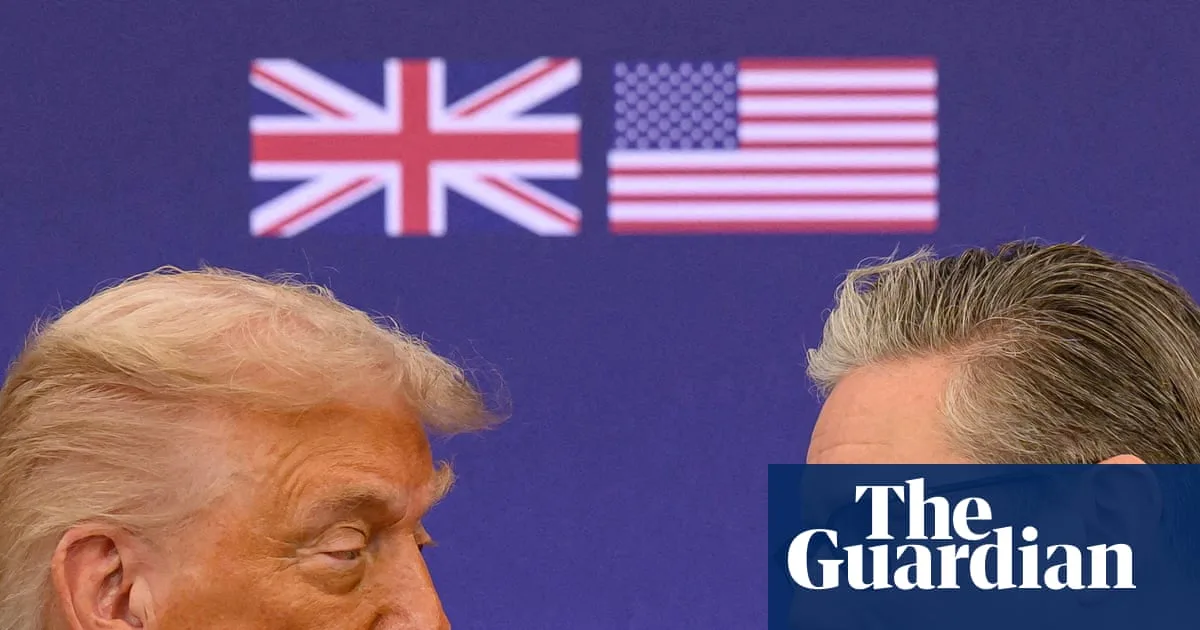
Prime Minister Keir Starmer's firm refusal to align with Donald Trump's aggressive posture toward Iran has resonated positively with the British public, according to an exclusive opinion poll conducted for The Independent. The survey indicates that voters view Starmer more favorably when reminded of his decision to keep the UK out of offensive military actions against Iran, despite intense pressure from the former US president.
Poll Reveals Significant Shift in Public Perception
The JL Partners poll employed a split-sample methodology to gauge public sentiment toward the prime minister. One group was asked for their opinion of Starmer without context, resulting in a net negative rating of 40 percentage points. However, when another group was reminded of Starmer's refusal to allow US forces to use British bases for offensive operations against Iran, his net negative rating improved dramatically to just 14 points.
This substantial 26-point swing demonstrates that the British public appreciates Starmer's independent foreign policy stance, particularly when it involves resisting American pressure for military escalation in the Middle East.
Navigating Complex International Relationships
While Starmer's domestic performance has faced criticism during his first eighteen months in office, his handling of foreign policy has generally been viewed as competent. The prime minister has managed the challenging relationship with Donald Trump about as effectively as possible, while maintaining principled positions on international conflicts.
Starmer helped rally European and international support for Ukraine while simultaneously discouraging Trump from completely withdrawing American assistance. His refusal to endorse initial American-Israeli strikes against Iran, despite opposition leaders Kemi Badenoch and Nigel Farage supporting them, has proven prescient as both have since reversed their positions to align with the prime minister.
Economic Implications and Domestic Response
The prime minister has demonstrated foresight in anticipating the economic consequences of conflict escalation in the Middle East. The closure of the Strait of Hormuz, provoked by what Starmer characterized as a disastrous miscalculation by Trump and Israeli Prime Minister Benjamin Netanyahu, threatens to disrupt approximately one-fifth of global oil supplies.
While some question the evidence behind Starmer and Chancellor Rachel Reeves' allegations of "profiteering" and "price gouging" by oil companies and petrol retailers, the government's aggressive stance on consumer protection shows emotional intelligence during an emerging crisis. The administration appears determined to shield vulnerable populations from the impending global recession, though resisting pressure for universal bailouts may prove challenging as economic conditions deteriorate.
Broader Political Context and Future Challenges
Starmer's rhetoric about using the crisis to "change the way the country is set up" echoes the vague transformational language that contributed to Labour's rocky start in government. However, if this translates to concrete protections for those most affected by economic disruption, it represents a positive development.
The Independent's editorial perspective acknowledges that while the publication doesn't always align with British public opinion, in this instance, the poll suggests broad agreement with Starmer's Iran policy. The prime minister deserves credit for maintaining an independent position from the start, particularly when that stance has since been validated by changing positions among opposition figures and growing public appreciation for his diplomatic restraint.