Starmer Faces Cover-Up Allegations Over Secret Iranian Missile Strike
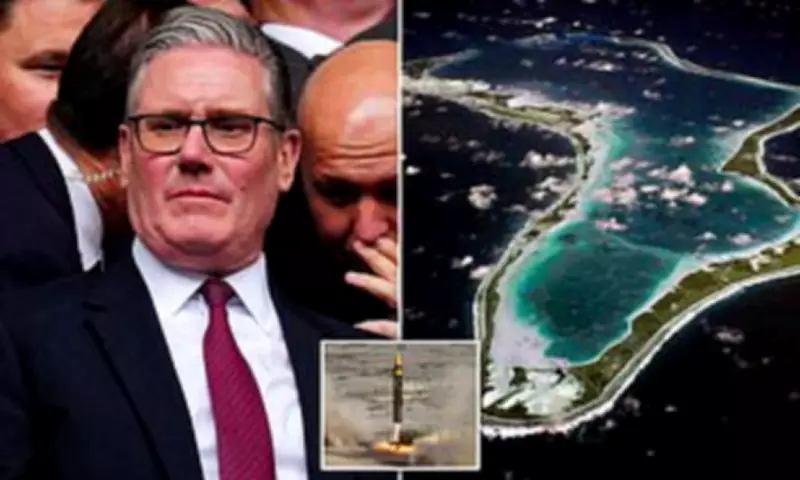
Prime Minister Keir Starmer has been accused of orchestrating a cover-up after his government failed to inform the public about an Iranian missile attack on the British overseas territory of Diego Garcia for more than thirty hours. The Conservative leader, Kemi Badenoch, has vehemently criticised the Labour administration for fostering what she describes as a "culture of cover-ups and problem with the truth", urging immediate transparency regarding the delayed disclosure.
Delayed Disclosure and Political Fallout
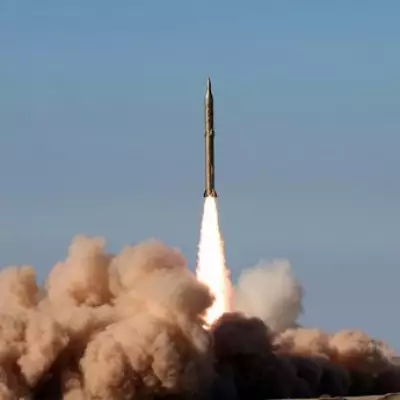
The government finally admitted that missiles had been fired at Diego Garcia, a strategic military base in the Chagos Islands, only after confirmation emerged from United States officials. This attempted strike occurred between 11pm on Thursday and 2am on Friday, with Iran launching two ballistic missiles from a distance of 2,360 miles. Neither missile struck its intended target; one was intercepted by a US warship, while the other reportedly plunged into the ocean after travelling approximately 1,990 miles.
Initial reports surfaced in the Wall Street Journal around 12.20am UK time on Saturday, followed by corroboration from CNN at 2.15am UK time, both citing multiple US sources. The British government's confirmation came over thirty hours post-incident, sparking widespread condemnation. In a scathing commentary for the Daily Mail, Badenoch asserted, "The secrecy from the Labour Government tells its own story. They would rather hide bad news than confront it." She emphasised that while genuine national security concerns warrant confidentiality, Parliament and the public must be informed about key developments promptly.

Broader Geopolitical Context and Reactions
This controversy unfolds against a backdrop of escalating tensions in the Middle East. Concurrent developments include:
- Prime Minister Starmer scheduled a Cobra meeting to address the economic repercussions of the ongoing conflict.
- Former US President Donald Trump shared a Saturday Night Live UK comedy sketch mocking Sir Keir, while the current US President threatened to "obliterate" Iran's power plants if the Strait of Hormuz remains closed within forty-eight hours.
- Iran issued a stark warning that energy infrastructure across the Gulf would face "irreversibly destroyed" if their facilities are targeted, following Tehran's attack on two cities near a nuclear plant in southern Israel, which injured over 160 people.
Reform UK leader Nigel Farage echoed the cover-up allegations, branding Starmer as "deceitful and dishonest" and suggesting that without media exposure, the government might have never disclosed the attack. He declared, "If there has been any attempt by this Government to downplay or cover up an Iranian attack on the Chagos Islands, then frankly it is a national scandal." Farage stressed that this incident transcends minor administrative errors, directly impacting national security and the safety of British territory.
Defence Capabilities and International Implications
Israel has capitalised on the event, asserting that Iran's missile capabilities could potentially reach European capitals like London, Paris, or Berlin, urging the UK and European allies to join their fight against Iran. However, Communities Secretary Steve Reed downplayed these warnings, describing them as exaggerated and affirming that the British military is "perfectly capable" of safeguarding the nation. He declined to specify how close the Iranian missiles came to striking Diego Garcia.
Concerns persist regarding Iran's potential to deploy drones against British military targets, with former defence minister Tobias Ellwood cautioning that it is merely "a matter of time" before Britain experiences its own "Pearl Harbor". Ellwood highlighted that while Diego Garcia boasts robust defences, most UK military bases lack comparable American capabilities. Britain's reliance on a fleet of six Type 45 destroyers is compromised, as much of the fleet remains in port or, like HMS Dragon, is en route to Cyprus, rendering them ineffective against immediate strikes.

Consequently, Britain would depend heavily on NATO allies, including Turkey's THAAD system, American Aegis Ashore systems in Romania and Poland, and Germany's US-made Patriot systems. A government spokesman defended the administration's stance, stating, "This Government has been clear about the threat that Iran's indiscriminate attacks pose to British nationals, British interests and our partners. To suggest otherwise is completely false – and that's why we have been conducting defensive operations in the Middle East since day one of this war."
In a diplomatic update, Number 10 confirmed that Sir Keir discussed the necessity of reopening the Strait of Hormuz with Donald Trump, with both leaders agreeing on its critical importance. This episode underscores the intricate balance between national security, transparency, and international diplomacy in an increasingly volatile global landscape.