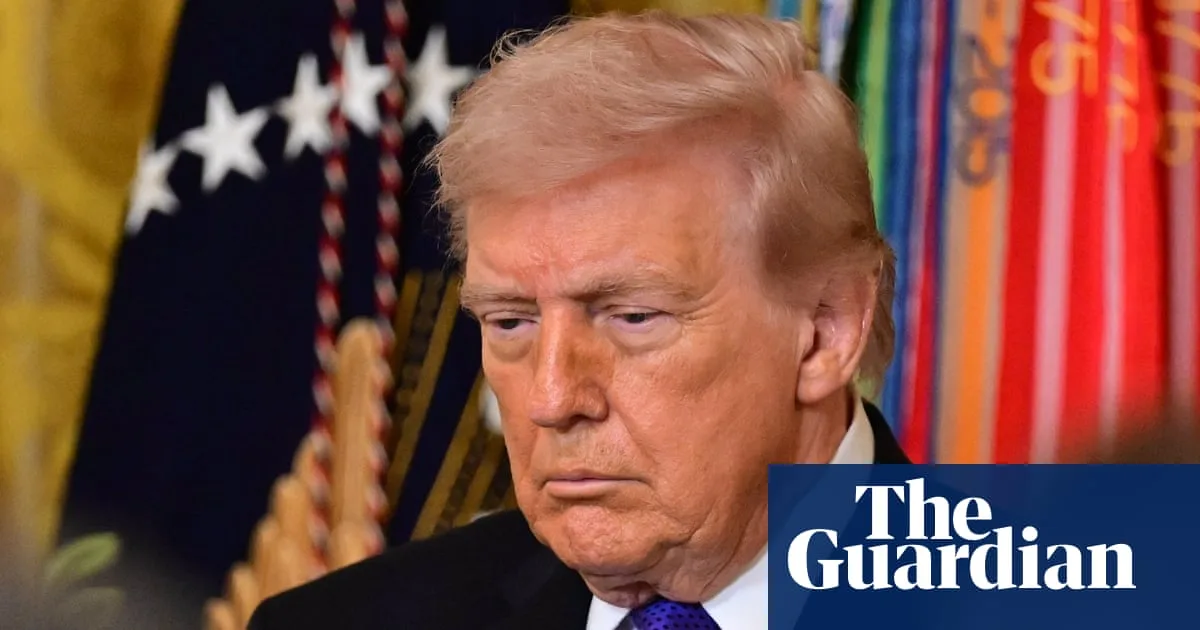
Starmer's Survival Hinged on Rejecting Trump's Iran Strikes, Claims Reveal
Starmer Couldn't Survive Backing Trump's Iran Strikes, MP Claims

Labour Leader's Political Survival Tied to Iran Strike Decision

Keir Starmer would not have survived politically if he had backed Donald Trump's controversial strikes against Iran, according to senior Labour sources today. The revelation comes after details emerged of Cabinet resistance spearheaded by Ed Miliband against the American request to use UK military bases.

Cabinet Rebellion and National Security Council Clash

The Prime Minister is embroiled in an increasingly bitter and personal dispute with the US president over Britain's refusal to permit American forces to utilize UK installations for joint operations with Israel against Iranian targets. A senior Labour MP has insisted Sir Keir "didn't have a choice" about rejecting the request following Labour's humiliating by-election defeat to anti-war Greens in Gorton and Denton.

Sir Keir barely survived a leadership challenge last month amid the Mandelson scandal and has been facing substantial pressure to shift his policies leftward. New details have surfaced about a particularly contentious discussion during a National Security Council meeting last Friday, occurring less than twenty-four hours before the American-Israeli military action commenced.

Ed Miliband, frequently nicknamed 'Red Ed' and occasionally mentioned as potential leadership material, alongside Rachel Reeves and Yvette Cooper, reportedly urged Sir Keir to distance Britain from the US assault on Iran, emphasizing domestic political considerations.

Security Sources Describe "Petulant" Approach

Security insiders described Mr. Miliband's stance during the National Security Council gathering as "petulant, pacifist, legalistic and very political." The meeting took place the day before the US attack began, mere hours after Labour suffered its embarrassing electoral setback against Green Party candidates in the Gorton and Denton by-election.

Mr. Miliband and Ms. Reeves allegedly "made it quite difficult for the Prime Minister" during discussions, while Ms. Cooper adopted what sources characterized as "the cautious approach of the Foreign Office."

Transatlantic Tensions and Partial Concessions

Donald Trump was reportedly incensed by Sir Keir's initial refusal to allow American forces access to UK bases for the coordinated strikes with Israel. Transatlantic negotiations on this matter are said to have continued for several weeks prior to the final decision.

The Prime Minister later partially walked back his position under significant pressure, permitting "defensive" actions from UK territory. There had been warnings circulating that the United States might simply proceed to use the bases regardless of British objections, essentially daring the UK government to intervene physically.

Mr. Trump publicly condemned the British premier as "disappointing" and "no Churchill" on Tuesday, as diplomatic disagreements became increasingly personal in nature. However, during Prime Minister's Questions yesterday, Sir Keir countered by accusing Mr. Trump of lacking a "viable, thought-through plan" for the region.

The Labour leader stated that allowing the US to utilize UK bases for defensive actions like shooting down drones "is the special relationship in action," but emphasized that "hanging on to President Trump's latest words is not" indicative of sound policy.

Domestic Politics Trump Strategic Considerations

Labour MP John McDonnell told ITV's Peston program last night that he was unsurprised by Sir Keir's rejection of the American request. "I don't think he had a choice then... we'd just lost a by-election, crushed in a by-election, we've got elections coming up in May in local government," the former frontbencher explained.

"I'm not sure whether he would have survived as PM if he'd gone along with Trump automatically," McDonnell added, highlighting the precarious political position facing the Labour leader.

The Prime Minister's decision regarding whether national interest required maintaining close ties with the United States appears to have been significantly influenced by considerations of Labour's domestic political difficulties. According to revelations from the Spectator magazine, the national security discussion ultimately centered on both the legality of the proposed military action and whether "a positive relationship with the US was a good thing right now for the party."

Angry Presidential Calls and Legal Objections

The Prime Minister is said to have received several "very angry" telephone calls from President Trump concerning access to strategic locations including Diego Garcia in the Chagos Islands and RAF Fairford in Gloucestershire for potential bombing missions.

However, sources indicated that legal objections to the proposed American actions were formally conveyed to US officials days before the final British decision was announced. A Downing Street spokesman maintained standard protocol, stating: "We never comment on the content of National Security Council meetings."

The spokesman added: "The decision had the full support of the Cabinet, including all the members of the National Security Council," presenting a unified governmental front despite the reported internal disagreements.