Prime Minister Condemns Festival's Decision Amid Antisemitism Concerns
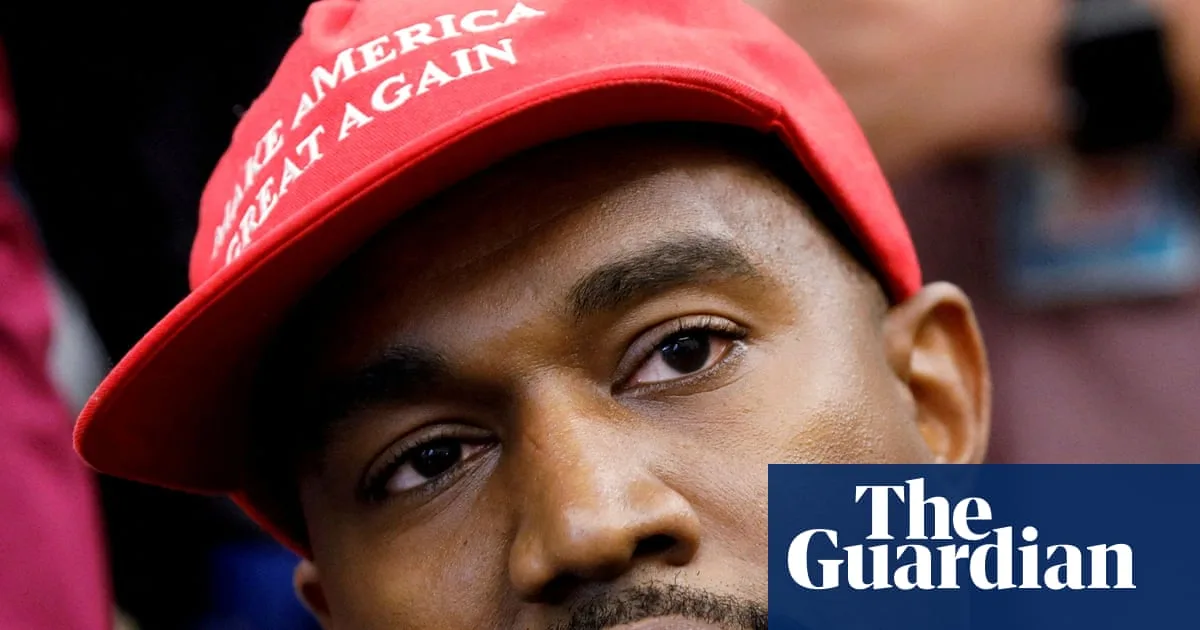
Prime Minister Sir Keir Starmer has issued a strong condemnation of Wireless Festival for its decision to book controversial American rapper Kanye West as this summer's headline act. The festival, scheduled for July in London's Finsbury Park, will feature West across all three nights, a move Starmer described as 'deeply concerning' given the performer's documented history of antisemitic rhetoric and Nazi symbolism.
West's Troubling History of Antisemitic Remarks
The 48-year-old musician, who now performs under the name Ye, has repeatedly made headlines for inflammatory statements and actions. His social media posts have included antisemitic comments, for which he later apologised, attributing them to his bipolar disorder. West has worn clothing featuring swastikas and 'White Lives Matter' slogans, publicly identified himself as a Nazi, released music praising Adolf Hitler, and threatened Jewish people with what he termed 'death con 3'.
These actions have sparked growing calls for UK authorities to completely ban West from entering the country. The Home Secretary possesses discretionary power to deny visas to foreign nationals whose presence is deemed not conducive to the public good. West has not performed in Britain for eleven years, making this booking particularly contentious.
Political and Community Reactions
In an interview with The Sun on Sunday, Prime Minister Starmer stated: 'It is deeply concerning Kanye West has been booked to perform at Wireless despite his previous antisemitic remarks and celebration of Nazism. Antisemitism in any form is abhorrent and must be confronted firmly wherever it appears. Everyone has a responsibility to ensure Britain is a place where Jewish people feel safe.'
The controversy emerges against a backdrop of increasing antisemitic incidents across the United Kingdom. Recent months have seen multiple attacks targeting Jewish communities, including the arson of four ambulances belonging to a Jewish community-run service in north-west London, resulting in three arrests. Last October, a tragic attack on a Manchester synagogue claimed two lives.
Jewish Community Leaders Express Alarm
Phil Rosenberg, President of the Board of Deputies of British Jews, labelled Wireless Festival's decision 'absolutely the wrong decision'. Speaking to Newsnight, Rosenberg emphasised: 'We're in this moment of really high levels of antisemitism. To have someone whose recent track record is declaring himself a Nazi, putting out a song called "Heil Hitler", seems to be absolutely the wrong decision and many Jewish people will worry that that will just inflame what is already a very febrile situation.'
While expressing sympathy for West's mental health struggles with bipolar disorder, Rosenberg voiced concerns about the rapper's potential to make further inflammatory statements during live performances. 'We're really worried that on stage at the Wireless Festival, he'll suddenly come out with more of these things. And the organisers really need to think carefully about this,' he added.
West's Apology and Festival's Response
In January, West published a full-page apology in the Wall Street Journal, acknowledging his antisemitic remarks and attributing them to a 'four-month long, manic episode of psychotic, paranoid and impulsive behaviour that destroyed my life' related to his bipolar condition.
Wireless Festival organisers have defended their booking, describing West's UK comeback as 'an extraordinary chapter in Wireless's story'. However, the Community Security Trust, a charity providing protection for UK Jewish communities, called the decision 'completely unacceptable'. A spokesperson warned: 'There is little confidence that he will not repeat his appalling views in future. Antisemitism causes real harm to Jewish communities and decisions like this risk signalling that anti-Jewish racism is welcome in the music industry.'
The festival has faced mounting pressure to reconsider its programming choice as debates intensify about balancing artistic expression with social responsibility in an increasingly tense climate for British Jewish communities.






