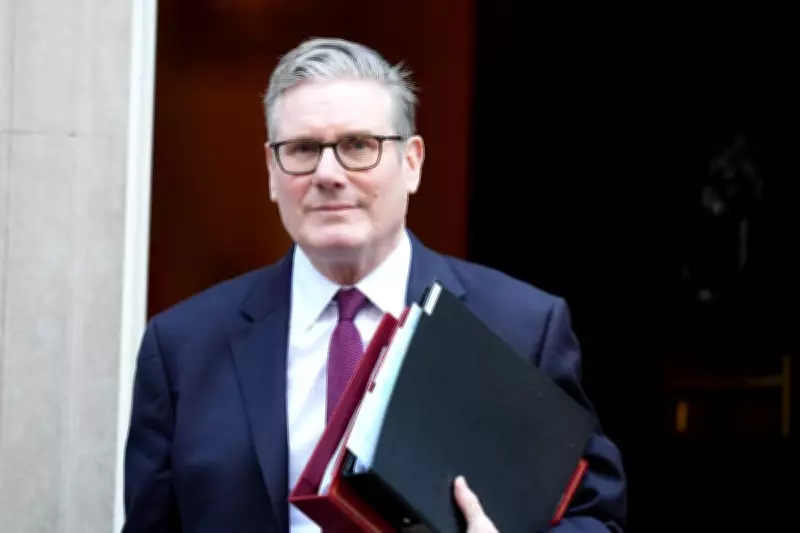
Prime Minister Keir Starmer is scheduled to chair an urgent Cobra meeting on Monday afternoon, following a critical telephone conversation with United States President Donald Trump concerning the escalating Iran crisis. The discussion, which lasted approximately twenty minutes on Sunday evening, was characterised by sources as constructive, with both leaders emphasising that reopening the strategically vital Strait of Hormuz is absolutely essential to stabilising a global energy market that has been severely disrupted.
Global Energy Market in Turmoil
The closure of the Strait of Hormuz, a key maritime chokepoint for oil shipments, has sent shockwaves through international markets, causing oil prices to skyrocket. This dramatic increase follows President Trump's initiation of a joint military campaign with Israel against Iran. The economic repercussions are already being felt worldwide, with global oil supplies reportedly diminished by around twenty percent due to the ongoing conflict. Industry leaders, including the chief executive of Centrica, which owns British Gas, have warned that significant price rises for consumers are now virtually inescapable.
High-Level Cobra Meeting Convened
In response to this mounting crisis, Sir Keir Starmer will gather his most senior ministers and officials for an emergency Cobra session. The meeting is expected to include Chancellor Rachel Reeves, Foreign Secretary Yvette Cooper, Energy Secretary Ed Miliband, and the Governor of the Bank of England, Andrew Bailey. The primary agenda will focus on assessing the profound economic impact of the crisis, safeguarding the nation's energy security, and ensuring the resilience of critical UK industries and supply chains amidst the international turmoil.

Despite the severe market disruptions, the UK government is actively attempting to reassure the public and temper fears of immediate fuel shortages. Communities Secretary Steve Reed explicitly stated on Sunday that there is currently no need for fuel rationing and urged citizens to avoid panic-buying petrol, advising them to continue filling their vehicles as they normally would.
International Tensions and Military Risks
The diplomatic landscape remains fraught with tension. President Trump has publicly criticised Prime Minister Starmer's initial response to the crisis and has repeatedly called upon other nations to contribute naval assets to help forcibly reopen the strait. However, the United Kingdom and other allied countries have so far resisted these demands, citing the exceptionally high level of risk involved in any military operation within the Strait of Hormuz and a strong desire to avoid being drawn deeper into a broader regional war.
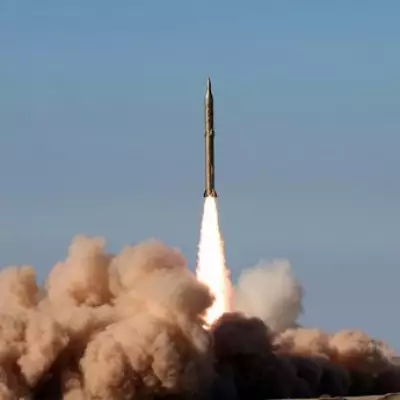
Security concerns have been further amplified by a recent incident where Tehran launched an unsuccessful ballistic missile attack targeting the joint UK-US military base on Diego Garcia. This aggressive act has raised serious alarms within defence circles, suggesting that much of continental Europe could potentially be within the operational range of advanced Iranian weaponry.
As the Strait of Hormuz remains effectively closed to the majority of commercial shipping, the dual threats of soaring inflation and severe disruptions to global fuel supplies continue to loom large. The outcome of Monday's high-stakes Cobra meeting will be crucial in shaping the United Kingdom's strategic and economic response to this deepening international crisis.