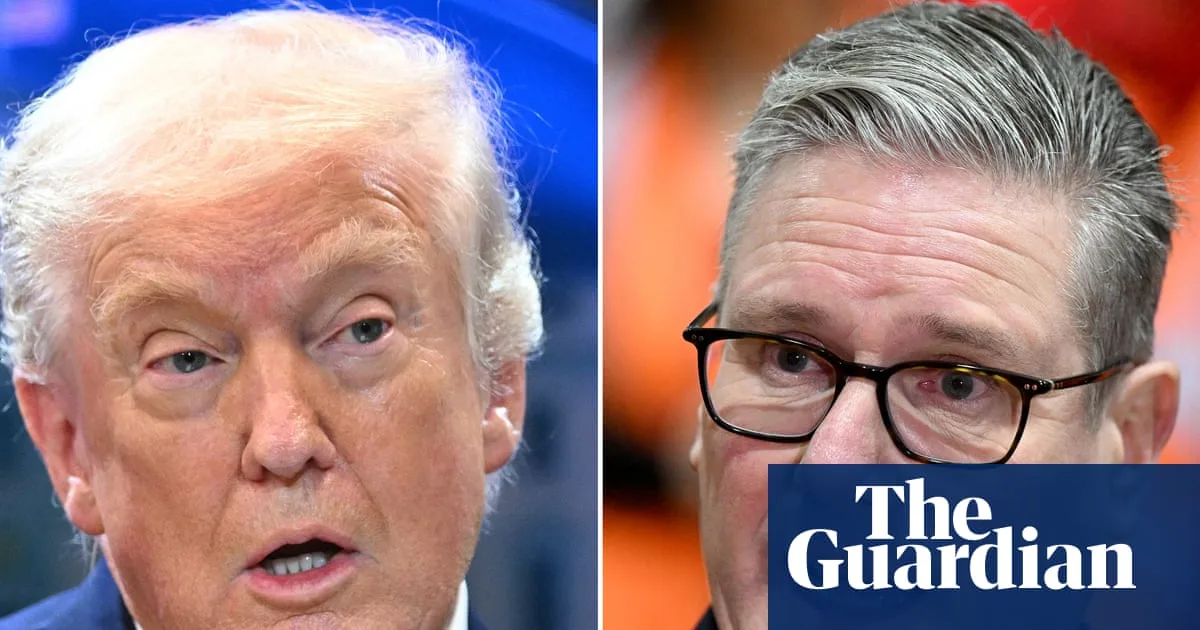
Prime Minister Sir Keir Starmer spoke with US President Donald Trump on Sunday afternoon, seeking to repair relations after Trump criticised the UK's lack of immediate backing for airstrikes on Iran. The call came a day after Trump posted on social media that “We don’t need people that join wars after we’ve already won.”
A Downing Street spokesperson said the leaders discussed the situation in the Middle East and military cooperation, including the use of RAF bases in support of collective self-defence. The conversation followed warnings from former head of the army Lord Richard Dannatt that Starmer’s initial refusal to allow US military aircraft to use British airbases had “ruined” the special relationship.
A government minister rejected that assertion, saying it was critical to support EU allies and Ukraine, and that the special relationship would endure. The minister added: “If you’re going to put our people in harm’s way, you need a legal mandate, and a well thought-through plan all the way to the end – it’s quite difficult to see those things right now.”

Former Prime Minister Tony Blair also criticised Starmer, saying at a private event that he “should have backed America from the very beginning” and allowed the use of British airbases. Blair, a member of Trump’s “board of peace”, said: “If they are your ally and they are an indispensable cornerstone for your security … you had better show up when they want you to.”
Foreign Secretary Yvette Cooper rejected Blair’s comments, stating that Britain must “learn the lessons” of mistakes made in Iraq. She said: “I think the point is to make sure that, actually, we learn the lessons from some of the things that went wrong in Iraq, and I think that is exactly what Keir Starmer has done.”
On Sunday afternoon, two US air force transportation planes landed at RAF Fairford in Gloucestershire, following the arrival of four B-1 Lancer bombers on Saturday. The Ministry of Defence said the bombers are intended for “specific defensive operations” to stop Iran firing missiles into the Middle East. Labour MPs rallied around Starmer, with Emily Thornberry comparing his stance to that of Robin Cook, who resigned over Blair’s position on the Iraq war.