Prime Minister 'Bullied' Over Controversial Mansion Tax Plans
Sir Keir Starmer is facing intense pressure from the Treasury to introduce a controversial mansion tax in the upcoming Budget, with a No10 source alleging the Prime Minister is being 'bullied' into the move to appease Labour's Left-wing faction. The revelation comes as Chancellor Rachel Reeves signals her readiness to raise basic-rate income tax for the first time in over half a century.
According to the insider, who spoke to The Mail on Sunday, the proposed levy on properties valued at £2 million or more is being viewed as a necessary 'distraction tactic'. The aim is to present the Budget on November 26 as an attack on the wealthy, thereby diverting attention from the impact on 'working people'. This strategy is seen as crucial to 'selling' the Budget to restless backbenchers, despite it constituting a potential breach of Labour's manifesto pledge not to increase national insurance, income tax, or VAT for this group.
Internal Clash Over 'Little Old Ladies' and Political Fallout
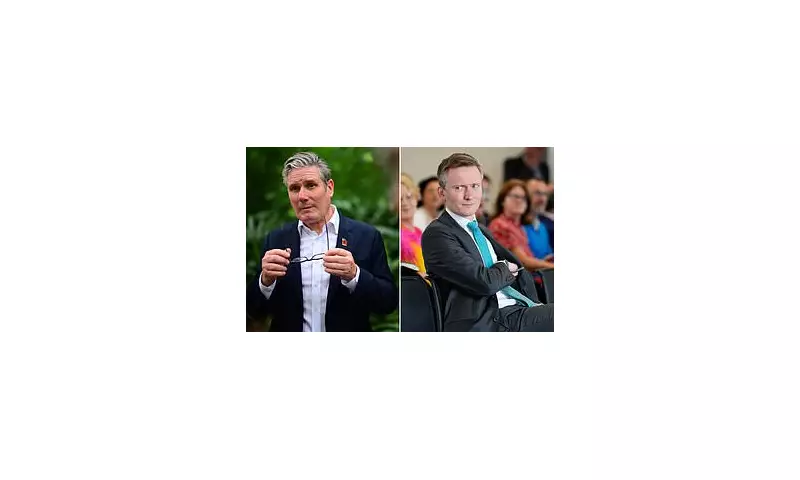
In a surprising disclosure, the source revealed that the Prime Minister personally objected to the mansion tax. Sir Keir reportedly argued that it would be unfair on 'little old ladies' living in large homes that have appreciated in value over decades but who lack the disposable income to pay a new annual charge. He also reportedly contended that the tax would raise relatively little money for the significant political hassle it would generate.
However, his concerns were allegedly overruled. Torsten Bell, the Treasury minister effectively drafting the Budget for Ms Reeves, is understood to have been adamant, insisting that 'some form of mansion tax has to happen'. The Treasury is reportedly anxious about the reception the Budget will receive and believes framing it as a 'soak-the-rich' package is essential to secure Labour MPs' votes.
The Tax Proposals and Wider Budget Context
The specific mansion tax proposal, revealed last month, would see owners of properties worth at least £2 million face a charge of 1 per cent of any value over that threshold. This would mean the owner of a £2.5 million home would pay £5,000 annually. This measure is projected to generate around £2 billion, contributing to the estimated £40 billion hole in the public finances.
An alternative plan under consideration involves doubling council tax for all homes in bands G and H, which would raise closer to £4 billion. This would increase a typical band G bill from £3,800 to £7,600 and a band H bill from £4,560 to £9,120.
The prospect of breaking the tax pledge has caused alarm on the Labour backbenches. Adding to the tension, Labour deputy leader Lucy Powell has publicly warned that such a move would damage 'trust in politics'. In an attempt to navigate the manifesto promise, the Treasury has privately redefined 'working people' as those earning less than £45,000.
Should Ms Reeves proceed with an income tax rise, she is expected to pair it with a 2p cut in national insurance to protect those earning under £50,000. With less than three weeks until the Budget, the government faces a race against time to finalise its plans, with one source describing the task as 'difficult, bordering on impossible'.