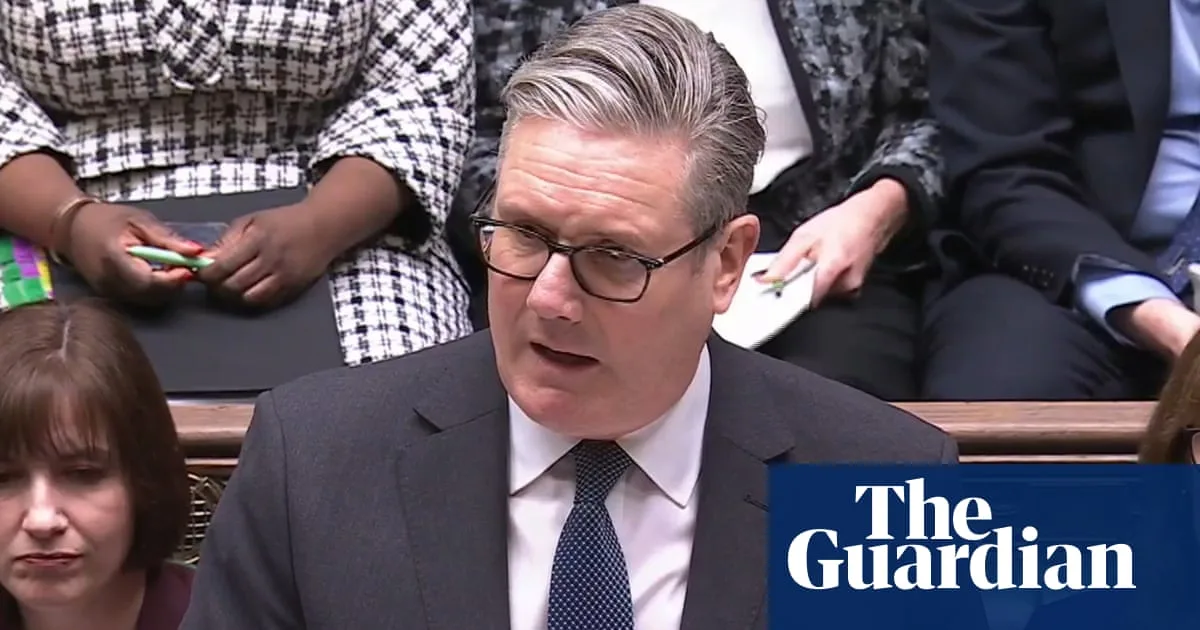
Prime Minister Keir Starmer has accused Conservative leader Kemi Badenoch and Reform UK leader Nigel Farage of making major U-turns on their support for the war in Iran, during a heated Prime Minister's Questions session on Wednesday.
Starmer claimed that if Badenoch had been in charge, the UK would already be at war. He said: 'If I'd asked her last week, her position would be, we support the initial strikes and we want to join the war. This week, she says, we don't want to join the war. That is the mother of all U-turns on the single most important decision a prime minister ever has to take.'
The Prime Minister also criticised Badenoch for describing RAF personnel as 'just hanging about' during an interview, saying they had flown more than 230 hours of defensive operations and shot down multiple drones. He demanded an apology, which Badenoch did not offer.
Badenoch's spokesperson later denied any U-turn, arguing that she had never called for the UK to join the war but had supported allowing the US to use British bases. He said: 'We are at war. The difference is, we're not joining the war. We're in the war.'
Starmer also attacked Nigel Farage, who previously called for 'regime change' in Iran but now says the UK should 'not get ourselves involved in another foreign war'. Liberal Democrat leader Ed Davey backed Starmer, accusing Badenoch and Farage of being 'Donald Trump's biggest cheerleader' and engaging in 'costly warmongering'.