Spain's Political Landscape Shadowed by Twin Corruption Trials
As Spain approaches crucial regional and general elections, the country's two major political parties are embroiled in high-profile corruption trials that threaten to undermine their anti-graft credentials. Former ministers from both the ruling Spanish Socialist Workers' party (PSOE) and the opposition People's party (PP) are facing serious allegations in court, highlighting a persistent legacy of political misconduct.
The PSOE's Pandemic-Related Scandal
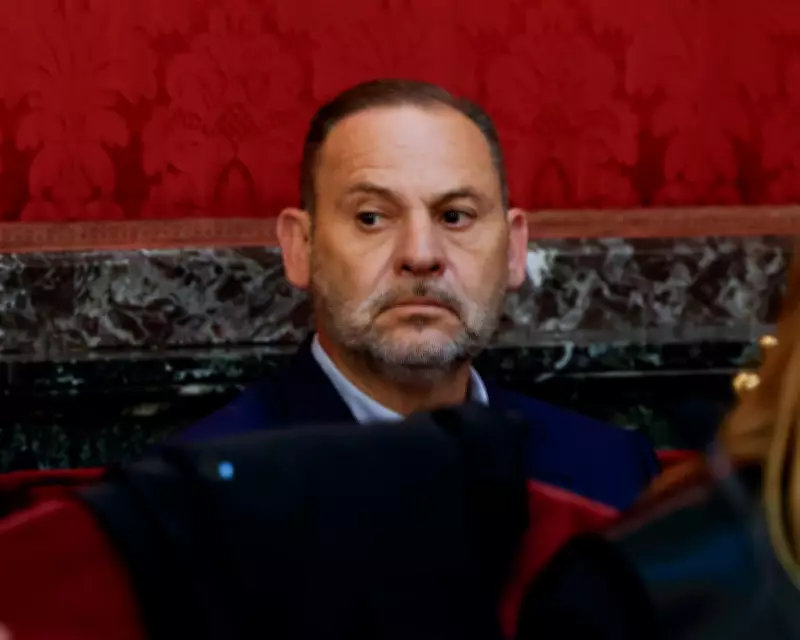
At the Supreme Court, the so-called "caso Koldo" or "masks case" has commenced, involving former transport minister José Luis Ábalos. He stands accused, alongside his former aide Koldo García and businessman Víctor de Aldama, of accepting kickbacks from public contracts for sanitary equipment during the COVID-19 pandemic. Ábalos and García, who deny all charges, could face sentences of 24 and 19 years respectively, while Aldama has admitted involvement and faces seven years.
This trial adds to a series of scandals surrounding Prime Minister Pedro Sánchez's inner circle. Although Sánchez himself has not been accused, his wife Begoña Gómez and brother David Sánchez are under investigation. Gómez awaits trial over allegations of using her influence to secure sponsors for a university course and misusing state funds, while David Sánchez faces charges related to a bespoke job in Badajoz in 2017. Both deny wrongdoing, with Sánchez labeling it a "harassment and bullying operation."

The PP's Espionage Allegations
Simultaneously, the PP is confronting its own legal challenges. Former interior minister Jorge Fernández Díaz is on trial at the Audiencia Nacional, charged with spying on ex-PP treasurer Luis Bárcenas to prevent exposure of party corruption. Fernández Díaz denies knowledge of the plot and faces a 15-year sentence for offences including embezzlement and privacy breaches.
Bárcenas, jailed for 33 years in 2018 for fraud and money laundering, claims high-level PP officials were aware of illegal financing. Former Prime Minister Mariano Rajoy, who testified in the related Gürtel case, is due to give evidence, having previously denied any knowledge of funding rackets within the party.
Political Repercussions and Electoral Context
These trials emerge as voters in Andalucía, Spain's most populous region, prepare for a regional election next month, followed by a general election next year. Both parties risk significant damage to their reputations, with the PSOE's claims of zero-tolerance for corruption under scrutiny and the PP's attempts to capitalize on Sánchez's scandals tempered by its own legal woes.
Prime Minister Sánchez, who rose to power in 2018 by leveraging public anger over PP corruption in the Gürtel case, now faces accusations of graft within his administration. Despite this, he has highlighted economic achievements, such as Spain exceeding 22 million social security contributors, to bolster his government's image.
The outcomes of these trials could reshape Spain's political landscape, reminiscent of the 2018 no-confidence motion that ousted Rajoy. As verdicts loom, both parties are acutely aware that a single court case can have profound electoral consequences, testing voter trust in a system grappling with unresolved corruption issues.