Senators Push for Anti-Racism Overhaul in Parliament Amid Rising Bigotry
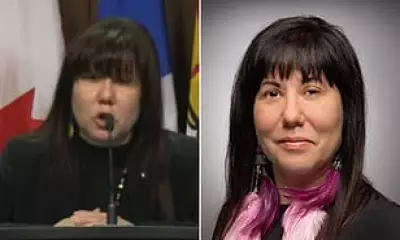
Increasingly toxic abuse within federal parliament has spurred a coalition of independents and the Greens to demand urgent action from Labor, cautioning that allowing racism and bigotry to persist is eroding democratic foundations. Guardian Australia exclusively reports that independents Fatima Payman and Lidia Thorpe, alongside Greens senator Mehreen Faruqi, are pressing Senate president Sue Lines to address the issue through a new inquiry and compulsory anti-racism training for politicians.
Letter Highlights 'Overt and Insidious' Racism in Senate
In a five-page letter dispatched to Lines on Wednesday morning, the senators articulated profound concerns about the "overt and insidious" racism they claim to have encountered in the upper house. They asserted, "When we speak out against racism, we are punished for it," describing a pattern where women of colour are marginalised as interruptions or subjects of ridicule rather than treated as equal chamber members.
The letter emphasised that recent incidents, where attempts to call out racism were stifled, have left them feeling "belittled, isolated and worn down simply for doing our jobs." They argued that double standards are employed to silence them, with procedural rules weaponised against those challenging racism instead of addressing the bigotry itself.

Stunt by Pauline Hanson Cited as Example of Inaction
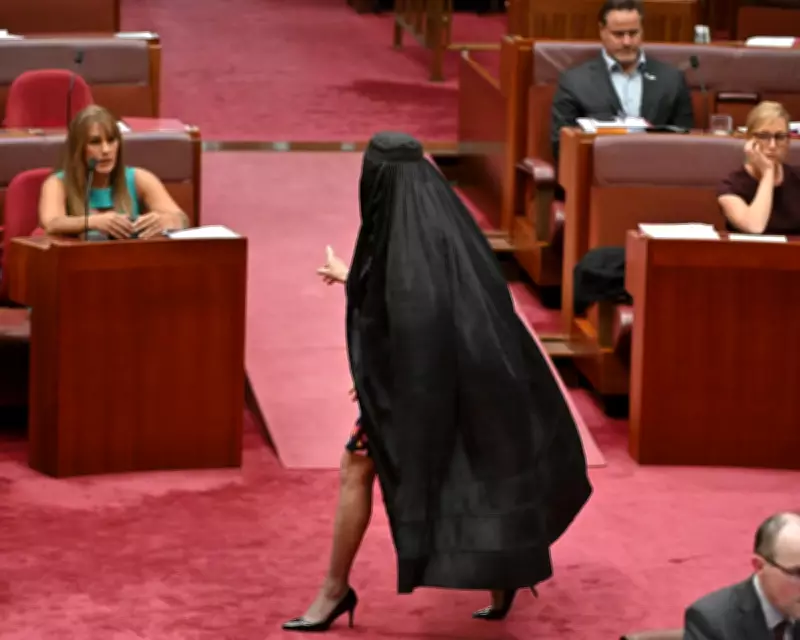
The senators referenced a controversial stunt by One Nation leader Pauline Hanson, who wore a burqa in the Senate chamber last year for the second time in her parliamentary career. They noted that Liberal senator Slade Brockman, chairing as deputy president at the time, declared "dress is a matter for an individual senator's conscience" and declined immediate intervention.
According to Senate Hansard and video footage, Hanson remained in the chamber for over 25 minutes before proceedings were suspended. She was later censured and suspended for seven days. The senators highlighted that when Payman attempted a point of order during the division, Brockman responded condescendingly with, "on the same issue, I take it?"—a remark they labelled as patronising and undermining.
Further Incidents and Calls for Systemic Change
Another example involved an exchange between Thorpe and former NSW senator Hollie Hughes in March 2023, after Hughes made a comment perceived as derogatory about acknowledging country. Thorpe interjected with "is that racism?" but was forced to withdraw the statement for breaching standing orders, while Hughes also retracted her remark.
The senators have urged Lines to revise standing orders to eliminate double standards and implement mandatory anti-racism training, beginning with those overseeing proceedings. This follows a prior agreement by Labor in November 2024 to an inquiry into racism and sexism in parliament, proposed by Thorpe and Faruqi, which lapsed after the 2025 election. A recent attempt to revive the inquiry was voted down by both Labor and the Coalition.
Government Response and Existing Safeguards
Finance minister Katy Gallagher acknowledged that senator conduct has "deteriorated to an unacceptable level" but disagreed that an inquiry would remedy the behaviour, urging proponents to reflect on their own actions. Since the Set the Standard report in November 2021, parliament has established the Parliamentary Workplace Support Service and the Independent Parliamentary Standards Commission (IPSC) to address workplace issues.
The report recommended reviewing standing orders to enhance safety and eliminate discriminatory practices. Earlier this month, United Australia party senator Ralph Babet was named by the IPSC for refusing sanctions over offensive social media comments. While the IPSC can publicise non-compliance with training mandates, more severe penalties like salary docking require referral to the Senate's privileges committee.
This push underscores growing tensions over racial equity in Australian politics, with advocates warning that failure to act could deter future leaders from public service.