US Senate Poised to Approve Funding Deal to End Homeland Security Shutdown
Republican leaders have unveiled a critical plan to end the ongoing government shutdown, with the US Senate set to swiftly approve a measure on Thursday aimed at funding the majority of the Department of Homeland Security. This development comes as the shutdown enters its 47th day, marking the longest partial government shutdown in American history.
Bipartisan Agreement Reached Amid Political Tensions
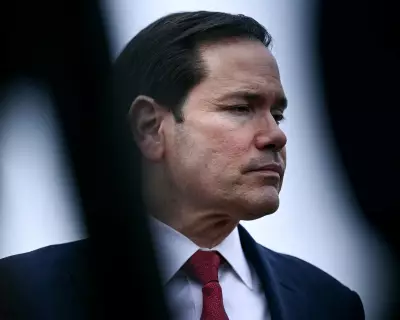
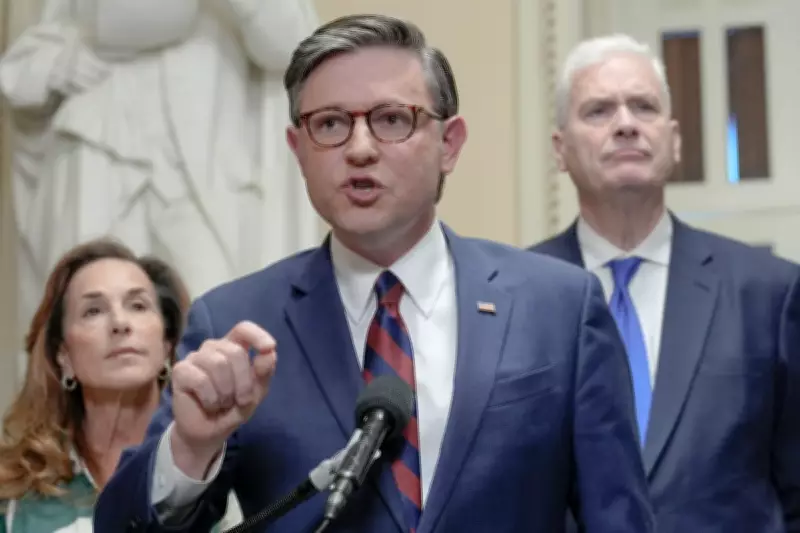
House Speaker Mike Johnson and Senate Majority Leader John Thune presented a two-step strategy on Wednesday to fully fund the Department of Homeland Security. This agreement represents a significant alignment between the leaders after their previous separate efforts resulted in Congress departing Washington last week without reaching a resolution.
The bipartisan Senate plan, which was previously negotiated with Democrats and now enjoys support from Johnson and Thune, proposes funding most of the department. However, it notably excludes US Immigration and Customs Enforcement and US Border Patrol from this initial funding package.

Republican Strategy Faces Internal Opposition
Republicans intend to pursue separate, party-line spending legislation to fund these immigration enforcement agencies later, a process that could extend over several months. Despite President Donald Trump's public endorsement of this approach, the proposed strategy faces significant opposition from within Republican ranks.
"We appreciate and share the President's determination to once and for all bring an end to the Democrat DHS shutdown," stated Johnson and Thune in a joint declaration. However, conservative lawmakers are expected to demand full funding for all of Trump's immigration and deportation operations.
Representative Scott Perry of Pennsylvania expressed strong opposition on social media, stating: "Let's make this simple: caving to Democrats and not paying CBP and ICE is agreeing to defund Law Enforcement and leaving our borders wide open again. If that's the vote, I'm a NO."
Legislative Process and Timeline Uncertainties
The Senate is scheduled for an early pro-forma session on Thursday, which typically lasts only a few minutes with most senators absent. Senators could adopt the measure they passed last week via a unanimous consent request, allowing it to proceed if no senator objects. This Senate action would then return the bill to the House, which is also holding a pro-forma session later on Thursday morning.
However, the timeline for the House to follow suit and largely end the shutdown remains uncertain. Last week, House Republicans rejected the Senate's initial plan to exclude ICE and Border Patrol, instead amending the bill to provide 60 days of funding for the entire Department of Homeland Security.
Political Reactions and Broader Implications
Senate Democratic leader Chuck Schumer criticized Republican divisions, commenting: "Republican divisions derailed a bipartisan agreement, making American families pay the price for their dysfunction." Following the announcement from Johnson and Thune, House Democratic leader Hakeem Jeffries issued a statement saying: "It's time to pay TSA agents, end the airport chaos and fully fund every part of the Department of Homeland Security that does not relate to Donald Trump's violent mass deportation machine."
Meanwhile, a narrower budget package sought by Donald Trump for later this year is anticipated to fund ICE and Border Patrol for the remainder of his term. This move aims to shield these agencies from future objections by Democrats regarding the president's immigration enforcement agenda. Trump has indicated he wants this legislation finalized by June 1, declaring: "We are going to work as fast, and as focused, as possible to replenish funding for our Border and ICE Agents, and the Radical Left Democrats won't be able to stop us."
Impact on Homeland Security Operations
During the shutdown, the vast majority of Homeland Security personnel have continued to report for duty, though thousands have been working without pay. This situation led to an increase in Transportation Security Administration agents calling out from work, resulting in frustrating security queues at some of the nation's busiest airports.

These delays appear to be easing this week, as agents began receiving backpay following an executive order from Donald Trump. The two senior Republicans are now working to persuade skeptical GOP colleagues to support the funding plan, with the outcome remaining uncertain as political tensions continue to shape the legislative process.