Secret Service Agents to Receive Tailored Suits After Noem's Fashion Critique
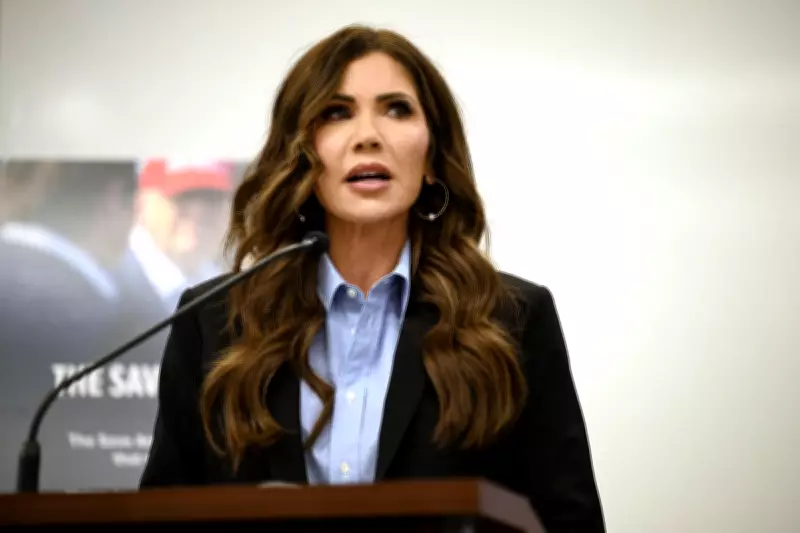
In a move that has sparked both interest and debate, Homeland Security Secretary Kristi Noem has spearheaded an initiative to provide tailored suits for Secret Service agents, funded by taxpayers. This decision follows reports that Noem expressed dissatisfaction with the attire of a protective detail, prompting a review of dress standards for non-uniformed personnel.
Details of the Suit Program
The Department of Homeland Security has issued a public contract solicitation for the production of these suits, with specific requirements that they must be entirely manufactured in the United States. Graduates from protective detail training will be issued two navy blue suits, each featuring their names embroidered inside the jacket. The contract is designed to cover a five-year ordering period, although the total cost remains undetermined at this stage.
A spokesperson for the DHS explained that the initiative aims to address an inequity within the agency. Currently, non-uniformed Secret Service agents are required to pay for their own work attire, unlike their counterparts in the Uniformed Division, who receive government-issued uniforms. This new program seeks to standardize and professionalize the appearance of all agents, ensuring a consistent and polished look for those in protective roles.

Political Context and Broader Implications
Kristi Noem, who has been vocal about her political goals, including ensuring that the 'right people' vote in midterms to elect 'the right leaders', has now turned her attention to the operational aspects of homeland security. While the suit program may seem like a minor administrative change, it reflects a broader emphasis on image and professionalism within government agencies under her leadership.
Critics have raised questions about the use of taxpayer funds for what some perceive as a cosmetic upgrade, especially given the unspecified total cost. However, supporters argue that providing proper attire is essential for maintaining the dignity and effectiveness of federal agents who often operate in high-profile and sensitive environments.
As the contract moves forward, it will be closely monitored for its financial impact and adherence to the 'Made in the USA' requirement, highlighting ongoing discussions about domestic manufacturing and government procurement practices.