South Australia's Political Donation Ban Raises Alarms Over Lobbyist Influence
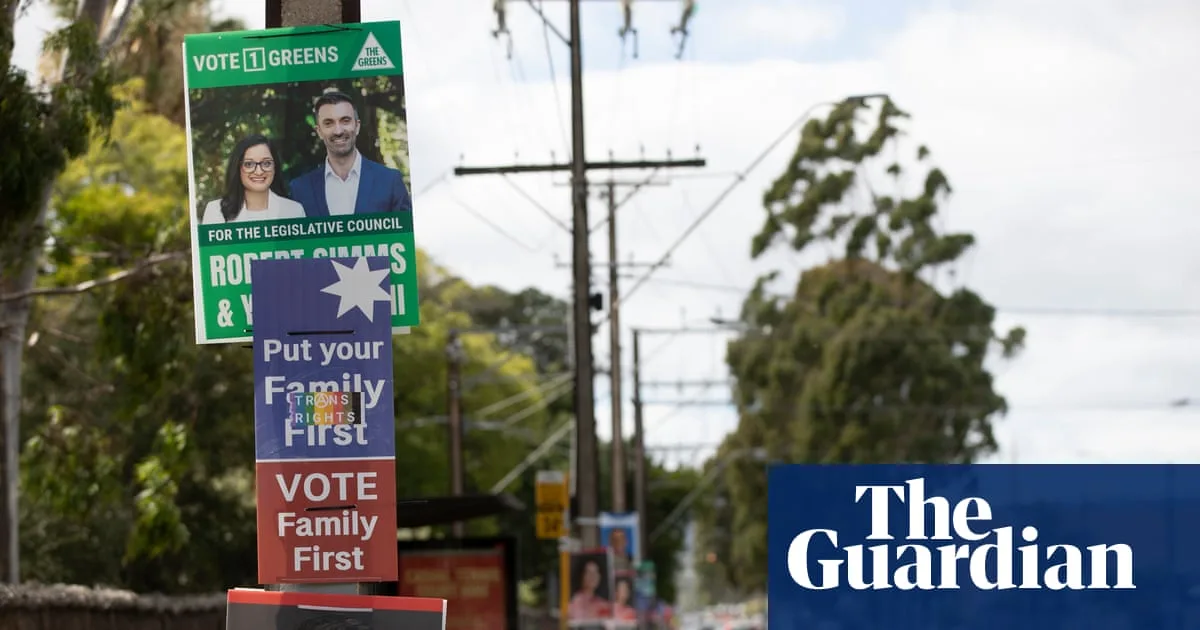
In the lead-up to the 2026 South Australian state election, corflutes in Adelaide from the 2022 campaign serve as a stark reminder of the shifting political landscape. Last year, South Australia enacted groundbreaking legislation that prohibits political donations and gifts to registered parties, MPs, and candidates. This move, aimed at curbing the influence of wealthy donors, has now sparked significant concerns among experts who fear it may inadvertently empower powerful lobby groups to dominate electoral discourse.
Third-Party Registration and Spending Loopholes
The upcoming Saturday election marks the first test of these new laws, which replace private donations with public funding and impose caps on donations and expenditure. However, a number of organisations have registered as third parties in time for the ballot, allowing them to raise and spend funds with disclosure deadlines that mean full amounts will not be revealed until after polling day. Among these groups are rightwing lobbyists Turning Point Australia, anti-abortion activist Joanna Howe, the Australian Christian Lobby, progressive lobbying group GetUp, various unions, and former Liberal MP Christopher Pyne, who describes himself as a "minnow" supporting select Liberal candidates.
Turning Point Australia, the local iteration of the US organisation founded by the late Christian conservative influencer Charlie Kirk, part of the Maga movement, along with its SA coordinator George Mamalis and Howe, boast hundreds of thousands of social media followers. They are actively urging supporters to vote for One Nation, which has seen a surge in recent polls with primary votes in the 20s, ahead of the Coalition.
Legislative Details and Expert Criticisms
The legislation bans donations to political parties, independents, and MPs, capping individual donations at $5,000 for new entrants and requiring third parties spending over $10,000 to register and meet disclosure and auditing requirements. Expenditure by third parties is capped at $450,000. A government spokesperson emphasised that significant penalties, including fines up to $50,000 or 10 years' imprisonment, are available for those deliberately circumventing the laws, including third parties colluding with registered political parties.
Despite these measures, Bill Browne, director of the Australia Institute's democracy and accountability program, argues that banning direct donations may not improve the system. "The problem with a so-called political donation ban is that the money can be spent on third-party campaigning which, if anything, is less accountable," Browne says. He contends that the reforms have led to "loopholes and perverse outcomes," where candidates can be out-fundraised and out-spent by opaque, self-interested lobby groups many times over.
Constitutional law professor emerita Anne Twomey of the University of Sydney has similarly warned that the donation ban could distort election campaigns by allowing well-funded interest groups to dominate discourse and force political parties to align with their agendas.
Responses from Key Players
Premier Peter Malinauskas defended the laws, stating that public financing is based on voter support rather than wealthy donations from individuals with vested interests. "This election is going to be determined by the quality of policies, the quality of candidates, not the size of the bank balance in candidates' or political parties' pockets," he said.
GetUp has registered as a third party in response to Turning Point's registration and support for One Nation, citing concerns about opacity, astroturfing, and dark money distorting elections. Its interim chief executive, Paul Ferris, highlighted that One Nation's surge in polls necessitates a counter-perspective to ensure voters hear diverse views.
Joanna Howe, when asked about her funding and objectives, stated she encourages voting for candidates committed to stopping abortion and opposing discrimination against children based on various factors. In a podcast with Mamalis, they discussed abortion, the "trans agenda," and One Nation's potential to replicate Nigel Farage's Reform movement success in the UK. Mamalis made controversial remarks, including calling leftist ideas "demonic" and suggesting misogynist Andrew Tate was a "necessary evil" for boys.
Political Alignments and Campaign Strategies
The Liberal leader Ashton Hurn, shadow treasurer Ben Hood, and former leader David Speirs, now running as an independent after a drug supply conviction, have appeared on the Turning Point Australia podcast recently. The group's how-to-vote cards prioritise One Nation in most of the state's 47 seats and the upper house, with Howe recommending One Nation first in both houses due to their pro-life stance, which includes rolling back abortion access.
Howe also criticised the Liberals for disendorsing candidate Carston Woodhouse, who made comments describing feminism as "demonic" and questioning the implications of accepting homosexuality, arguing it was for holding mainstream Christian views.
As the election approaches, the full impact of South Australia's donation ban remains uncertain, with experts and activists alike watching closely to see if lobby groups will indeed pick up the tab and shape the political narrative in ways that could undermine democratic accountability.






