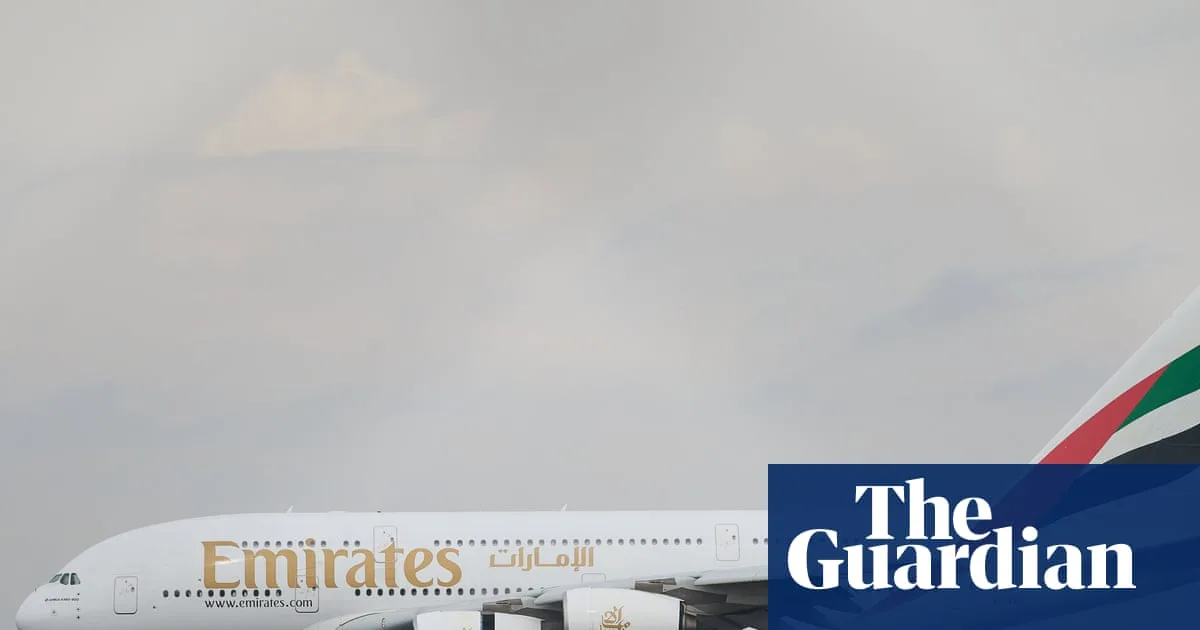
Wealthy Expatriates Flee UAE Amid Conflict, Questioning Tax Haven Lifestyle
Rich Expats Flee UAE Conflict, Rethink Tax Haven Life

Wealthy Expatriates Flee UAE Amid Conflict, Questioning Tax Haven Lifestyle

As suicide drones target the United Arab Emirates, a panic has erupted among the super-rich British expatriates who left the UK for lucrative tax breaks. These individuals, once ensconced in a world of ease and opulence, are now desperately seeking escape from a region suddenly transformed into a war zone. The stark realisation is dawning that financial advantages mean little when trapped in danger, with many now yearning for the security of home—wherever that may be.

Scrambling for Escape from a City Under Fire

In recent days, the wealthy elite in Dubai have been frantically booking the last available flights out, with private jets sold out and airspace closures adding to the chaos. One European former non-dom, a private equity executive based in Dubai, was described as "very shaken" after finally securing seats on a flight from Oman to London following three days of terror. This man, accustomed to a life centred on luxury, had never faced such fear before, watching smoke rise from the iconic Burj Khalifa skyscraper.

The emotional scenes at Heathrow Airport, where families embraced loved ones arriving from the UAE, underscored a profound shift in priorities. When deadly drones attack your city, it is family—not five-star resorts—that becomes the ultimate refuge. For many, the tax breaks that once seemed invaluable now appear worthless compared to the cost of being stranded in an unstable region.

Wide Pickt banner — collaborative shopping lists app for Telegram, phone mockup with grocery list

The High Price of Statelessness and Tax Avoidance

The crisis has exposed the vulnerabilities of those living in a state of "new homelessness"—individuals who, despite their wealth, effectively reside nowhere. One British friend, who recently sold his company for millions and purchased properties in low-tax countries like Dubai, abruptly cancelled his relocation plans. "Now it's off the table," he admitted, recognising that a listed manor house in Hampshire with family nearby offered far greater security than a luxury high-rise vulnerable to drone attacks.

Analysts at Citi warn that the escalating Middle East conflict could have "a profound and potentially long-lasting impact on the MENA region," with property values in the UAE expected to plummet and insurance rates skyrocketing. Wealthy influencers, while publicly asserting Dubai's safety, are privately fleeing, wary of harsh UAE laws that penalise damaging the country's reputation.

Globalism's Glamour Fades in Times of Crisis

The pandemic first exposed the fragility of a globally mobile lifestyle, as families were tragically separated by travel restrictions. Now, the conflict in the UAE has further eroded the allure of cosmopolitan consumerism. A psychoanalyst reported that one client in Dubai found the abrupt airspace closure so traumatic that she has since returned to the UK, calculating that tax savings were not worth the loss of peace of mind.

This sentiment resonates with many who have long enjoyed the privileges of internationalism—jet-setting between hubs like London, New York, and Hong Kong. Yet, as the world grows more dangerous, the trappings of privilege feel hollow. Luxury is redefined as proximity to family, not frequent flyer miles. For those with stateless backgrounds or complex residency statuses, the crisis highlights the importance of holding a passport from a stable, first-world country.

Reflections on Home and Belonging

The author, an American wary of travelling back to the US, reflects on personal experiences of loss and separation, such as missing her father's death during Covid due to travel barriers. These moments underscore the deep human need for connection and a sense of home. A British architect friend who moved to Sicily for a tax deal now admits to rarely seeing his children, cutting a lonely figure in his eighties.

As pundits predict a "forever war" scenario, the consequences of prioritising tax avoidance over stability are becoming clear. The wealthy in Dubai are discovering that when crisis strikes, non-doms and tax refugees are low on the list of concerns. In the end, the glittering dream of tax havens is severely tarnished, replaced by a renewed appreciation for safety, family, and the true meaning of home.

Pickt after-article banner — collaborative shopping lists app with family illustration




