Republican Rift Emerges as Trump's Iran War Tests MAGA Loyalty
The American right wing has demonstrated remarkable resilience in supporting Donald Trump through numerous controversies, including multiple impeachments, mass deportations, and his endorsement of controversial figures like JD Vance. However, the former president's decision to initiate military conflict in Iran appears to be creating unprecedented fractures within his political base.
Key MAGA Figures Break Ranks Over Conflict
In a significant development, Joe Kent, the former US counter-terrorism chief who previously ran for office as an ultra-MAGA candidate with white nationalist endorsements, resigned his position this week with a blistering critique of Trump's Iran policy. Kent declared he could not "in good conscience support the ongoing war in Iran" and asserted that "Iran posed no imminent threat to our nation."
Kent's resignation letter contained particularly damaging allegations, suggesting the conflict was initiated "due to pressure from Israel and its powerful American lobby." This represents a remarkable departure from the typical MAGA unity, signaling that even Trump's most ardent supporters have limits to their loyalty.

Conservative Media Voices Express Skepticism
The discontent extends beyond government officials to influential conservative media personalities. Tucker Carlson, the prominent right-wing commentator, has described the Iran campaign as "disgusting and evil," while former Fox News host Megyn Kelly questioned whether the conflict was "worth the sacrifice of American blood and treasure."
Marjorie Taylor Greene, the controversial former congresswoman and one-time Trump ally, publicly supported Kent's resignation, calling him "a GREAT AMERICAN HERO" in social media posts. Other notable conservative voices expressing skepticism include former Trump adviser Steve Bannon and commentator Matt Walsh.
Political Calculations and Electoral Consequences
The political implications of this rift could be substantial, particularly with midterm elections approaching. Current polling data reveals significant public disapproval of Trump's handling of the Iran situation. According to an Economist/YouGov poll, only 24% of independent voters approve of Trump's approach to Iran, while 63% disapprove.
Young voters are reportedly experiencing "buyers' remorse" according to Washington Post reporting, while an NPR focus group of swing voters who supported Trump in 2024 showed nearly universal opposition to the Iran expedition. Perhaps most damaging for Republican unity, a Zeteo poll found that 52% of Americans, including 26% of Republicans, believe Trump was "at least partly motivated" to attack Iran to distract from questions regarding Jeffrey Epstein.
Congressional Republicans Remain Cautious
Despite growing public and media skepticism, elected Republicans have largely maintained their support for Trump's military actions. In the Senate, only Rand Paul joined Democrats in voting to curb Trump's war powers, while Democratic Senator John Fetterman of Pennsylvania broke with his party to vote against the resolution.
This cautious approach reflects the difficult political calculation facing vulnerable Republicans in both the House and Senate. As the conflict continues, these politicians must balance their loyalty to Trump against the need to appeal to independent voters who overwhelmingly disapprove of the Iran campaign.
Potential for Growing Republican Opposition
Political analysts suggest that if the conflict persists, pressure on Republicans to distance themselves from Trump's Iran policy will intensify. The combination of public disapproval, media criticism, and defections from within the MAGA movement creates an unprecedented challenge for Republican unity.
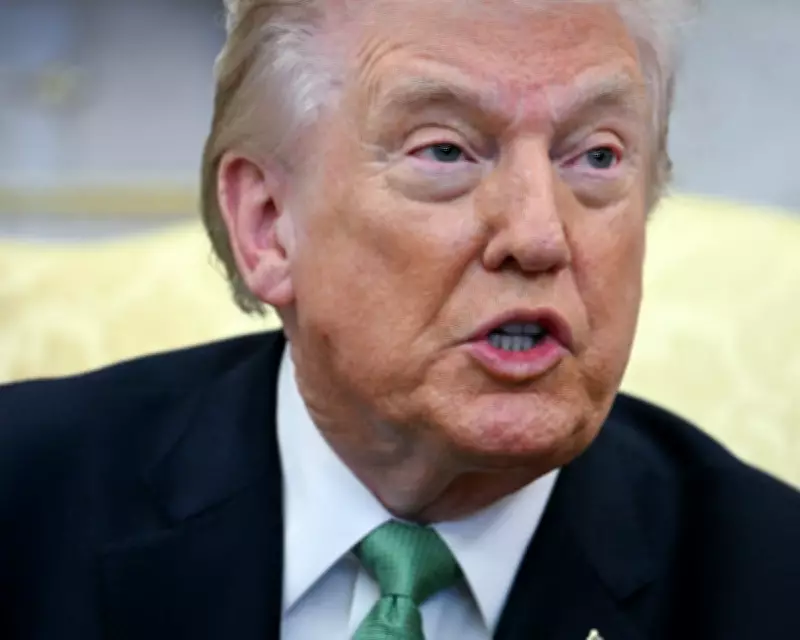
Trump's response to this growing dissent has been characteristically combative. He told reporters it was "a good thing" that Kent resigned and claimed "every country recognized Iran was a threat," despite having previously acknowledged that NATO countries have shown reluctance to join the US-Israel led conflict.

The White House has pushed back against criticism, with press secretary Karoline Leavitt asserting that Kent's resignation letter contained "false claims" and that Trump possessed "strong and compelling evidence that Iran was going to attack the United States first." This position contradicts statements from Senator Mark Warner of Virginia, the top Democrat on the Senate Intelligence Committee, who was briefed on the operation before it began and has said he "saw no evidence that Iran was on the verge of launching any kind of pre-emptive strike against the United States of America."
As the conflict continues to unfold, the Republican Party faces a fundamental test of its cohesion and political strategy. The Iran war has exposed fault lines within the conservative movement that could have lasting implications for both the upcoming midterm elections and the future direction of American conservatism.