Reform UK's flagship proposal to consolidate local government pension schemes into a single British Sovereign Wealth Fund risks backfiring, potentially leading to higher council tax bills for residents across England and Wales, financial experts have cautioned.
The Reform UK Vision
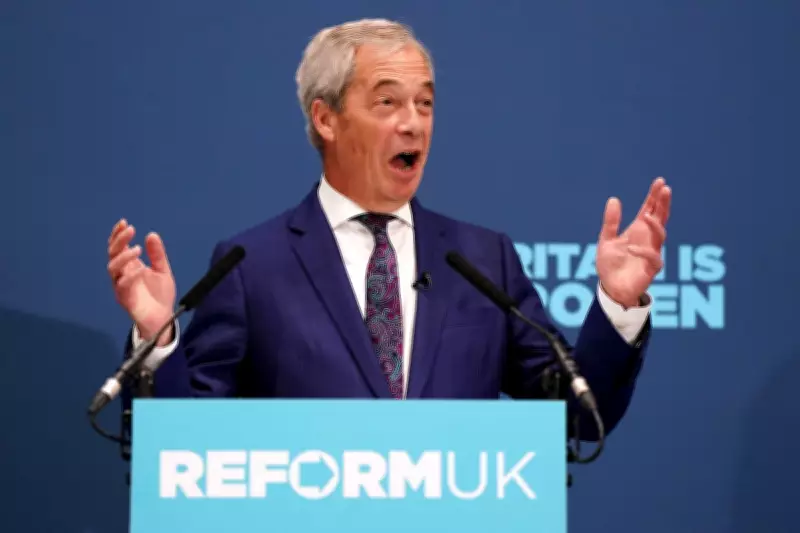
Nigel Farage's party aims to merge 86 separate local government pension funds, which currently hold assets contributed primarily by council workers, into a unified fund worth up to £575 billion. Richard Tice, the party's business spokesman, described the plan as an "absolute game changer" during a recent speech in Birmingham.
"This could be one of our greatest legacies that Reform essentially brings to the United Kingdom," Tice stated. "It could drive prosperity, it could drive growth." He envisions a fund with a "strategic UK growth mandate backing Britain all the way," patriotically investing in British companies and products, with a focus on sectors like defence, steel, and energy.

Expert Warnings of Market Distortion
However, industry specialists have raised significant concerns about the potential consequences of mandating such investments. James Alexander, CEO of the UK Sustainable Investment and Finance Association (UKSIF), warned that forcing pension schemes to invest domestically could distort markets and create asset bubbles.
"They could also lead to lower returns for savers, at a time when shortfalls in retirement pots have left a whole generation facing a later-life income crisis," Alexander explained.
Risks to Pension Members and Council Taxpayers
Tom Selby, director of public policy at investment platform AJ Bell, noted that while Labour has explored using local authority pension assets to boost investment in "UK plc," they have avoided mandating specific investments. "By the sounds of it Tice is intent on bringing mandation back on the table," Selby said. "That is clearly appealing for any politician scrabbling for ways to drive long-term economic growth but raises questions about the risks being taken with other people's money."
He emphasised that pension schemes must maintain sufficient assets to pay members' benefits, and if investment strategies underperform, members could bear the brunt. Former pensions minister Steve Webb expanded on this, highlighting the potential impact on council taxpayers.
"The first question you've got to ask is, why wouldn't these pension schemes be doing this anyway? And they've obviously decided they don't think it's in the members' best interests," Webb told the Independent. He explained that with defined benefit pensions, common in local government, promised payouts remain fixed regardless of investment returns.
"You've still got to pay the pensions you've promised to pay, but you've got less money coming in because you've lost returns... So somebody has to fill the gap," Webb continued. "Well, who is the employer here? It's councils. Where do councils get money from? Well, they're not going to get money from central government to fill the gap - so it's going to come from Council taxpayers. Basically, the risk is that what this will do is put council tax bills up."
Recruitment Challenges and Alternative Proposals
Reform UK has suggested that new council employees should join a defined contribution scheme instead, but Webb cautioned that this could exacerbate recruitment difficulties. "There's no such thing as a free lunch," he said, noting that if pensions become less attractive, local authorities might need to offer higher upfront salaries to fill positions, further straining budgets.
The debate underscores the tension between national economic ambitions and the financial stability of local government pensions, with experts urging careful consideration of the risks involved in politicising investment decisions.