Reform Party Accused of Attempting to Politicise English Football
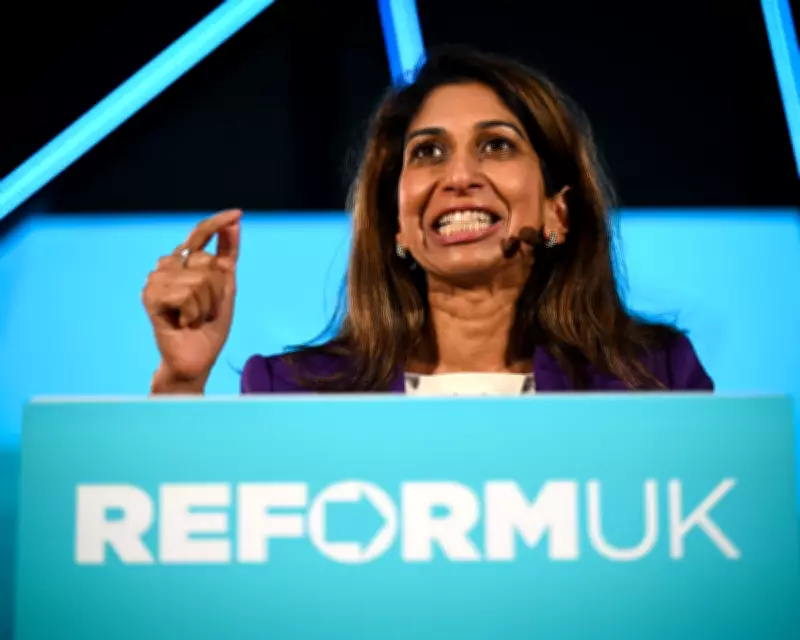
The Reform Party has come under intense scrutiny and criticism following allegations that it is seeking to inject what critics describe as "toxic politics" into the realm of English football. This controversy has ignited a fierce debate among sports enthusiasts, political analysts, and football officials, who argue that such actions could undermine the integrity and unifying spirit of the sport.
Allegations of Political Interference in Sports
According to reports, the Reform Party has been accused of attempting to leverage football as a platform for its political agenda, potentially introducing divisive rhetoric into a domain traditionally seen as a source of national pride and community cohesion. Critics contend that this move represents a calculated effort to polarise fans and exploit the sport's widespread appeal for partisan gains.
Football authorities and fan groups have expressed deep concern over these allegations, warning that politicising the sport could alienate supporters and damage its reputation. Many emphasise that football should remain a neutral space, free from the contentious debates that often characterise political discourse.

Backlash from the Football Community
The backlash has been swift and vocal, with numerous stakeholders within the football community condemning the alleged actions of the Reform Party. Club officials, players, and supporters have all voiced their opposition, arguing that the sport must be protected from external political influences that could foster division.
In response to the accusations, some football organisations have reiterated their commitment to maintaining the sport's apolitical stance, stressing the importance of inclusivity and fair play. They have called for greater vigilance to prevent any attempts to manipulate football for political purposes.
Potential Implications for Football and Politics
This incident raises broader questions about the intersection of sports and politics in contemporary society. Analysts suggest that if such politicisation efforts were to succeed, it could set a dangerous precedent, encouraging other political groups to target sports as a means of advancing their agendas.
Furthermore, there are concerns about the potential impact on fan engagement and the overall health of English football. Divisions driven by political rhetoric could lead to decreased attendance, heightened tensions at matches, and a tarnished image for the sport both domestically and internationally.
As the debate continues, many are calling for clear boundaries to be established to safeguard football from political exploitation. The outcome of this controversy may influence future policies and attitudes regarding the role of politics in sports across the United Kingdom.