
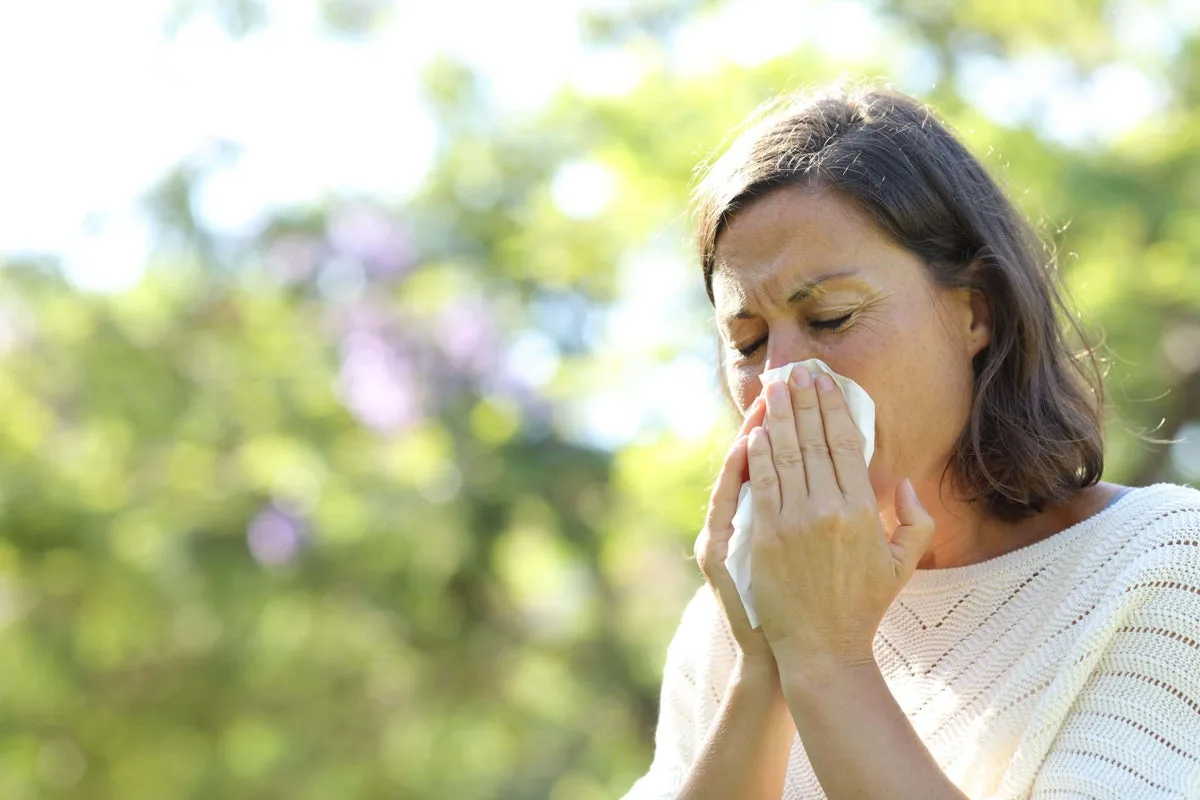
As the evenings grow longer and lighter, many are finding themselves battling coughs, sneezes, and sniffles. Dr Alia Fahmy, medical director and GP at Concierge Medical, explains that a combination of factors is driving the spring surge in illness.
The unpredictable spring weather, with its swings between sunny spells and cold, damp days, can affect vitamin D levels and weaken the immune system. “We have had a long, cold, damp winter this year,” notes Fahmy, adding that rising pollen counts are triggering hay fever symptoms such as watery eyes, sneezing, and a runny nose.
Circulating viruses are also playing a role. “It has been a really nasty year so far for several kinds of viruses,” says Fahmy. Flu cases were elevated at the start of the year but have now returned to normal levels, while norovirus remains high. Stress, too, can suppress immunity, with current global events adding to the burden.
Distinguishing between a cold and hay fever is key. A fever indicates a viral infection, while itchy, watery eyes point to allergies. Those with a history of allergies, asthma, or eczema are more prone to hay fever. For symptom relief, Fahmy recommends paracetamol for flu-like aches and fevers, and rehydration sachets for norovirus. Rest and fluids are essential.
To boost immunity, Fahmy advises taking vitamin D supplements, getting outdoors, and exercising. “Exercise will help boost your immunity, your cardiovascular health, and that general feeling of wellbeing.” If symptoms are new, persistent, or worsening—especially in the very young or elderly—seek medical help.




