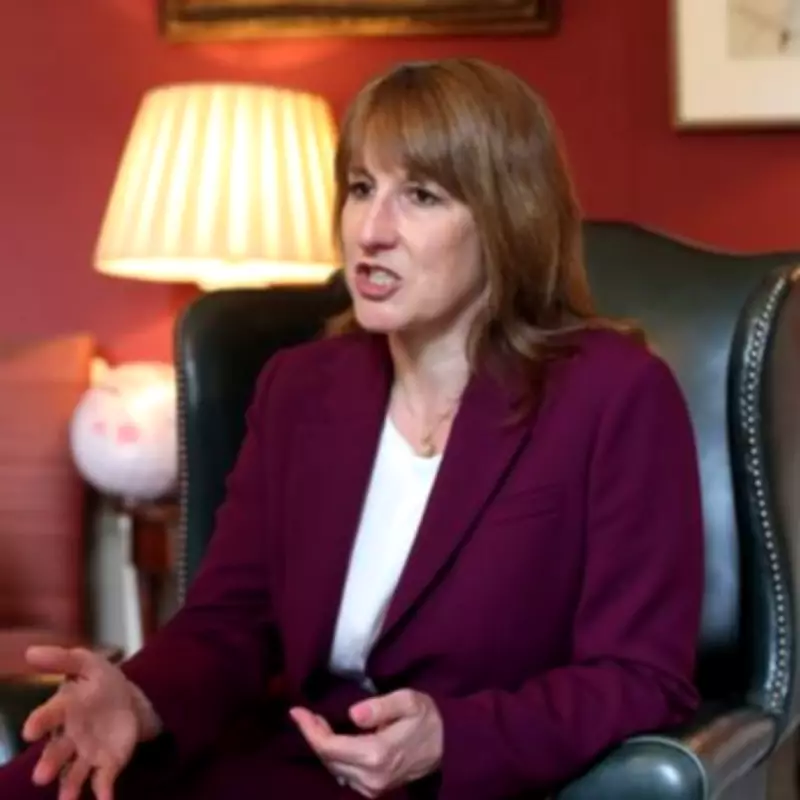
Chancellor Rachel Reeves has publicly denounced the ongoing US-Israeli military engagement with Iran, branding it a "mistake" and expressing deep scepticism about its impact on global safety. In a stark assessment, she stated, "I'm not convinced that this conflict has made the world a safer place."
Reeves' Strong Criticism of the Conflict
Her remarks, made during an interview with CBNC, follow earlier comments to The Mirror where she labelled the war a "folly" and voiced anger and frustration over America's actions. Reeves emphasised that the conflict lacks a clear exit strategy, directly affecting families across the United Kingdom through rising costs and economic strain.
International Warnings and Economic Fallout
Earlier this week, Reeves joined forces with international allies to issue a joint statement warning of "unacceptable loss of life" and significant global economic turmoil resulting from the war. The statement, signed by finance ministers from 11 countries including Australia and Japan, highlighted that even with a potential durable resolution, the impacts on growth, inflation, and financial markets are likely to persist.

In a particularly bleak forecast, they cautioned, "Renewed hostilities, a widening of the conflict or continued disruption in the Strait of Hormuz would pose serious additional risks to global energy security, supply chains, and economic and financial stability."
Focus on Energy Security and UK Priorities
With a fragile ceasefire currently in place, the ministers urgently called for a swift reopening of the Strait of Hormuz, a critical shipping route for global oil and gas supplies. Reeves stressed that while the conflict is not Britain's war, it is undeniably pushing up costs for UK families and businesses.
She outlined her priorities, stating, "My focus is on economic security - keeping costs down, taking back control of our energy security, and acting responsibly in the national interest." The Chancellor is also preparing targeted support measures for the most vulnerable individuals if necessary, while cautioning against knee-jerk responses to the cost-of-living crisis exacerbated by the war.