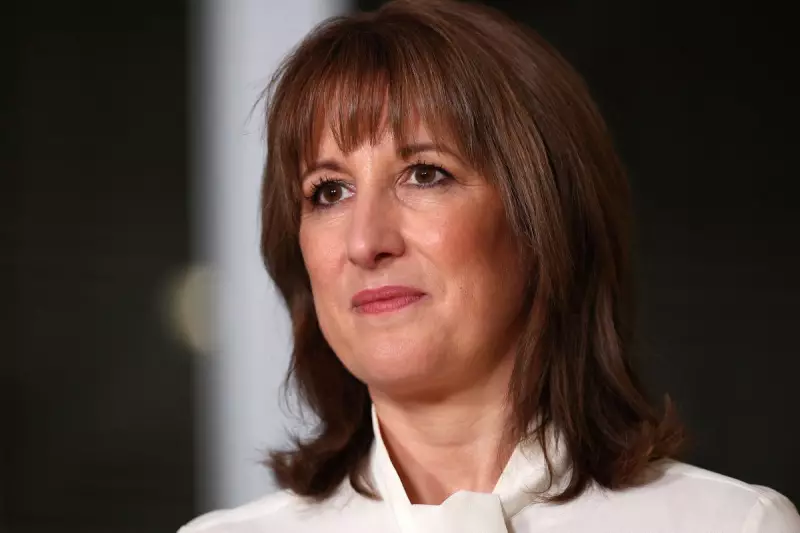
Budget Black Hole Row Intensifies as Chancellor Faces Media Scrutiny
Chancellor Rachel Reeves is preparing for a challenging media round on Sunday amid growing controversy over claims she misled the public about a £20 billion black hole in the public finances before last week's Budget. The row centres on whether the Treasury provided accurate information about the fiscal challenges facing the UK economy in the lead-up to Wednesday's financial statement.
Downing Street has firmly denied allegations that Ms Reeves misled voters, with sources close to the Prime Minister describing the claims as "categorically untrue". A Number 10 spokesperson confirmed that Sir Keir Starmer was fully aware of the content of the Chancellor's November 4 speech and supported its messaging about the need to raise revenues.
OBR Timeline Reveals Improving Fiscal Picture
New information from the Office for Budget Responsibility has revealed that the fiscal situation was significantly better than initially suggested. According to the independent watchdog, the OBR informed Ms Reeves as early as September 17 that improved tax receipts from rising wages and inflation meant any potential shortfall was smaller than first feared.

By October, the budget watchdog had reportedly told the Chancellor that the deficit had been "eliminated altogether" and replaced with a surplus of £4.2 billion. This timeline has raised questions about why Ms Reeves continued to warn about difficult fiscal choices in her early November speech, where she cited poor productivity growth as necessitating tax increases.
The Chancellor had pointed to Donald Trump's tariff wars and expected OBR downgrades as creating circumstances requiring "hard choices" and potential tax rises, despite apparently knowing the fiscal picture had improved.
Political Fallout and Calls for Investigation
The controversy has triggered significant political repercussions, with Conservative shadow chancellor Sir Mel Stride writing to the Financial Conduct Authority urging an investigation into "potential market abuse". In his letter, Sir Mel highlighted concerns about "misleading comments and the repeated disclosure of market-sensitive details" in the pre-Budget period.
Stephen Flynn, leader of the Scottish National Party in Westminster, has also called for an immediate FCA investigation, questioning whether Ms Reeves's November 4 speech could amount to "market manipulation". The SNP has described Treasury briefings as "deliberately false and misleading" regarding the scale of the fiscal challenge.
Tory leader Kemi Badenoch has gone further, calling for Ms Reeves to be sacked and accusing her of having "lied to the public to justify record tax hikes". The Chancellor's Budget included approximately £26 billion in tax increases, which opposition parties claim were justified using outdated fiscal information.
Prime Minister's Support and Growth Plan
Despite the mounting criticism, Sir Keir Starmer is preparing to publicly back his Chancellor in a major speech on Monday. According to sources, the Prime Minister will praise the Budget for providing "economic stability" and claim that "economic growth is beating the forecasts".
In an attempt to move the political agenda forward, Sir Keir will outline his long-term growth plans and vow to tackle "misguided" regulations that he claims are adding costs to major projects and ultimately increasing consumer bills. The Prime Minister is expected to acknowledge that the government must go "further and faster" on economic growth while defending the decisions taken by Ms Reeves.
Downing Street has rallied around the Chancellor, with a source stating: "No 10 was aware of the content of the speech, which we believe entirely accurately outlined the need to raise revenues." The source emphasised that the idea of misleading statements about the need for significant revenue raising was "categorically untrue".

Welfare Changes and Family Income Impact
Separate analysis reported by The Telegraph has highlighted another dimension of the Budget's impact, suggesting that families on modest incomes could be £18,000 worse off following Ms Reeves's abolition of the two-child cap on benefits.
The Centre for Social Justice analysis indicates that a family with three children claiming Universal Credit and other benefits could receive up to £46,000 by next year. Sir Iain Duncan Smith, chair of the CSJ and former Conservative leader, warned that "getting welfare spending under control is critical" and expressed concern that work may not pay under the new system.
As the Chancellor prepares for her Sunday media appearances, the government faces mounting pressure to provide clearer explanations about the timing of fiscal information and the justification for tax measures announced in what many observers saw as a make-or-break Budget for Ms Reeves's political future.