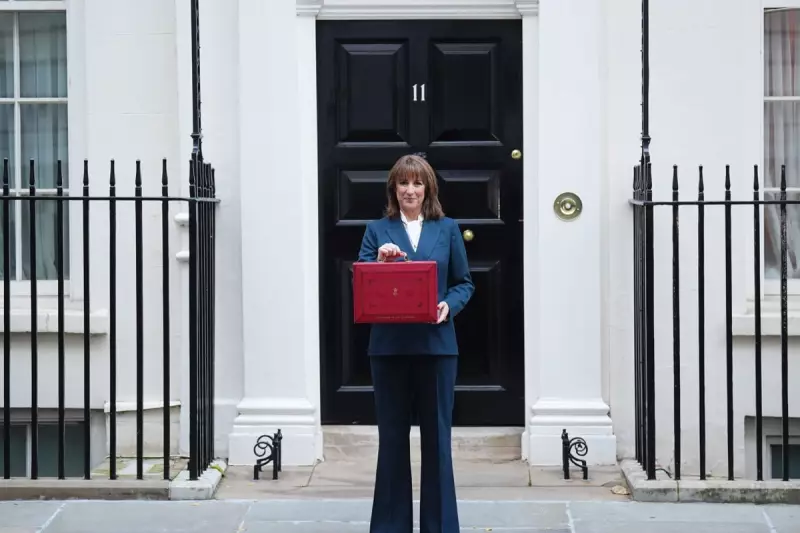
Chancellor Rachel Reeves has strongly defended her handling of the recent Budget amid mounting criticism from opposition parties about her portrayal of the government's fiscal position.
Budget headroom dispute intensifies
In a series of media interviews on Sunday morning, the Chancellor firmly denied allegations that she misled the public about the scale of the financial challenges facing the Treasury. Ms Reeves stated she "of course" did not lie to the public when presenting what she described as a gloomy economic picture at the beginning of November.
The controversy centres around pre-Budget speculation that suggested Ms Reeves faced a significant gap in her spending plans, partly due to an expected productivity forecast downgrade from the Office for Budget Responsibility. The Chancellor had previously reinforced this narrative in a Downing Street speech on November 4, warning that weaker productivity would have "consequences for the public finances" through lower tax receipts.

Opposition calls for resignation
Conservative leader Kemi Badenoch has led the criticism, describing the Chancellor's comments as "misleading" and calling for her resignation. Ms Badenoch argued that the OBR had already provided Ms Reeves with forecasts showing the situation wasn't as dire as she had suggested.
While the OBR did deliver a productivity downgrade that reduced expected tax receipts by £16 billion, this was largely offset by inflation and higher wage growth. The final outcome left the Chancellor with a £4.2 billion surplus against her borrowing rules, though she pointed out this would have represented the lowest headroom any chancellor had secured against their fiscal rules.
Defending welfare reforms
Ms Reeves also staunchly defended her decision to abolish the two-child benefit cap, a move expected to lift 450,000 children out of poverty. The Chancellor emphasised that the government was "choosing children" with this policy change.
She told Sky News: "The people I was thinking about were kids who I know in my constituency go to school hungry and go to bed in cold and damp homes, and from April next year those parents will have a bit more support to help their kids."
The Chancellor argued that without the productivity downgrade, she would have had £20 billion of headroom available, excluding funds needed for welfare decisions. She maintained that building resilience into the economy required the measures she implemented, alongside investment in the NHS and family bill reductions.
Prime Minister Sir Keir Starmer is expected to support the Chancellor and defend the Budget in a speech on Monday, where he will outline his long-term growth plans for the economy.