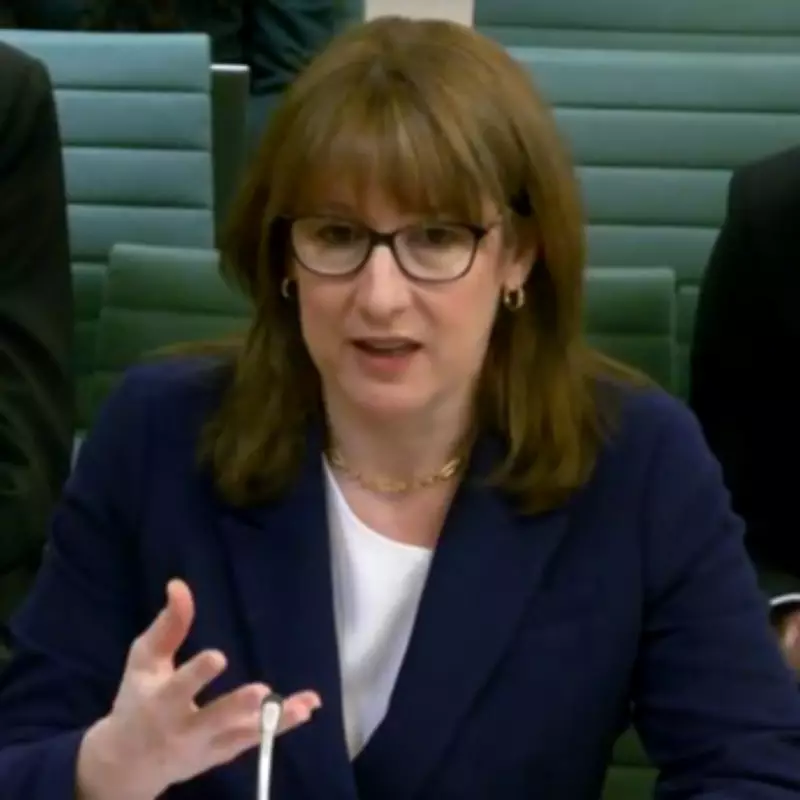
Chancellor Rachel Reeves has provided a significant update to MPs on the Government's cost-of-living support measures, confirming that pensioners and low-income households will benefit from expanded discounts aimed at reducing energy bills by up to £300 annually. Speaking before the Treasury Committee, she addressed the pressing financial challenges facing families across the UK, particularly in light of global economic pressures.
Impact of Iran Conflict on Energy Costs
The Chancellor fielded questions from committee members regarding the ongoing conflict in Iran and its potential ramifications for consumer and business energy bills. With oil prices surging sharply since the eruption of hostilities, there has been an immediate spike in heating oil costs, raising alarms about long-term implications for the cost of living.
In her response, Ms Reeves emphasised the national interest in avoiding direct involvement in the conflict, citing its domestic impact. She stated, "One of the reasons why it was not in our national interest to be involved in that conflict is the impact here in the UK. That is why we made the decision that we did."

She further noted that the Treasury is continuously planning for various eventualities, though the full effects of the Iran situation remain uncertain. Drawing parallels to past crises, she referenced the energy price shocks following Russia's invasion of Ukraine, echoing former Chancellor Jeremy Hunt's caution that it is too early to gauge the full impact and formulate a comprehensive policy response.
Energy Price Cap Reduction Proceeds
Despite the geopolitical tensions, Ms Reeves assured that a planned cut in energy bills will proceed as scheduled. She highlighted the protective role of the energy price cap, confirming, "In April, the cut in energy bills will go ahead, despite what is happening in the Middle East at the moment."
From April 1, the price cap set by regulator Ofgem will decrease by 7 per cent, reducing the typical annual bill for households paying by direct debit for gas and electricity to £1,641. This translates to an average saving of £117 until the end of June, or approximately £10 per month, offering some relief to consumers grappling with rising expenses.
Expanded Warm Home Discount Scheme
In response to queries about targeted assistance for those struggling with bills, the Chancellor outlined enhancements to the Warm Home Discount scheme. She revealed that following last year's spending review, the programme has been expanded to include an additional three million lower-income families.
Ms Reeves explained, "In addition to the £150 on average that we took off people's bills, from April this year, an additional three million households will get £150 off on top of that, taking their total discount to £300." This initiative is specifically aimed at those who face the greatest difficulties with energy costs, including families and pensioners on the lowest incomes.
The discount is applied directly by electricity providers, who subtract the amount from customers' bills. In England and Wales, most recipients of certain means-tested benefits automatically qualify for the discount, including:
- Housing Benefit
- Income-related Employment and Support Allowance
- Income-based Jobseeker's Allowance
- Income Support
- Pension Credit
- Universal Credit
In Scotland, low-income individuals may need to apply for the discount, though those receiving the Guarantee Credit portion of Pension Credit will have it applied automatically. This targeted approach ensures that support reaches the most vulnerable segments of the population, providing crucial financial relief amid ongoing economic uncertainties.