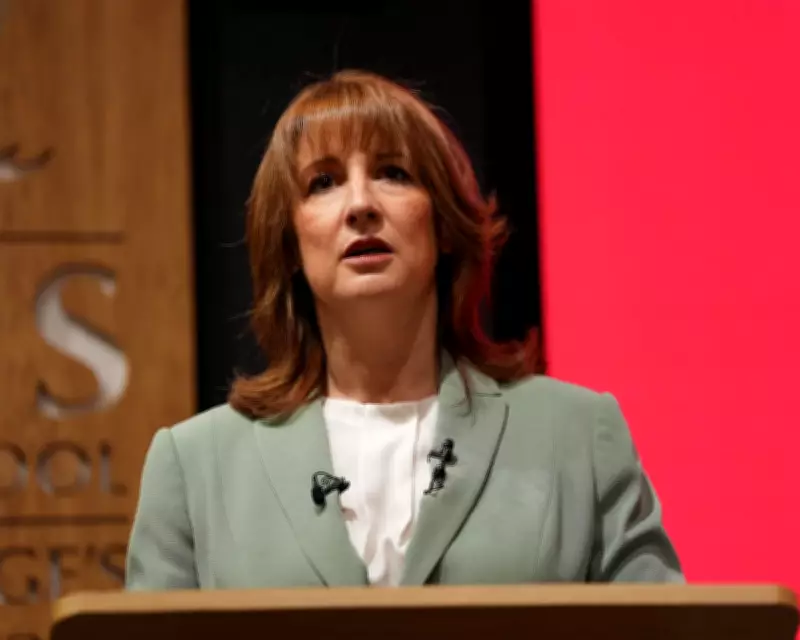
In a significant address at the Mais lecture held at Bayes Business School in London on 17 March 2026, Chancellor Rachel Reeves articulated a vision for an activist government, emphasizing intervention over expansion. Her speech, titled "Securonomics," challenged the laissez-faire policies of previous Conservative administrations, which she argued exacerbated regional disparities and fueled Brexit misconceptions.
Reeves' Vision for Economic Growth
Reeves called for a proactive state that collaborates with the private sector, reduces regulatory burdens, and devolves economic authority to regional leaders. Notably, she proposed granting devolved institutions control over major tax revenues, a departure from traditional Treasury practices that centralize power in Whitehall. This approach aims to stimulate growth without necessarily enlarging government size, focusing instead on strategic partnerships and local empowerment.
EU Realignment and Strategic Imperatives
A key highlight was Reeves' advocacy for Britain's realignment with the European single market. She underscored the "strategic imperative for deeper integration," noting that no individual trade deal could rival the EU's significance, given its proximity and accounting for nearly half of UK trade. This pro-European stance marked a discernible shift from prior rhetoric, with no mention of US relations, highlighting a renewed focus on continental ties.

Political Constraints and Outdated Red Lines
Despite this ambition, Reeves' analysis faces political hurdles. Labour's leadership, cautious of backlash in leave-voting areas, has maintained red lines that limit substantial integration with the single market. This contradiction hampers economic benefits from her pro-EU rhetoric, as sectoral alignment without full participation risks being perceived as "cherrypicking" by EU leaders, a strategy previously rejected in negotiations.
Urgency in Policy Implementation
While Reeves and Prime Minister Keir Starmer have gradually acknowledged Brexit's economic harms, the pace of action remains slow. Achieving meaningful EU partnerships requires vigorous negotiation and clearer domestic communication, areas where current efforts fall short. The gap between recognizing strategic truths and enacting urgent policies persists, underscoring the need for accelerated political commitment.
Reeves' lecture offers a compelling case for activist governance and European realignment, yet outdated political constraints continue to impede progress, leaving Britain's economic future in a delicate balance.