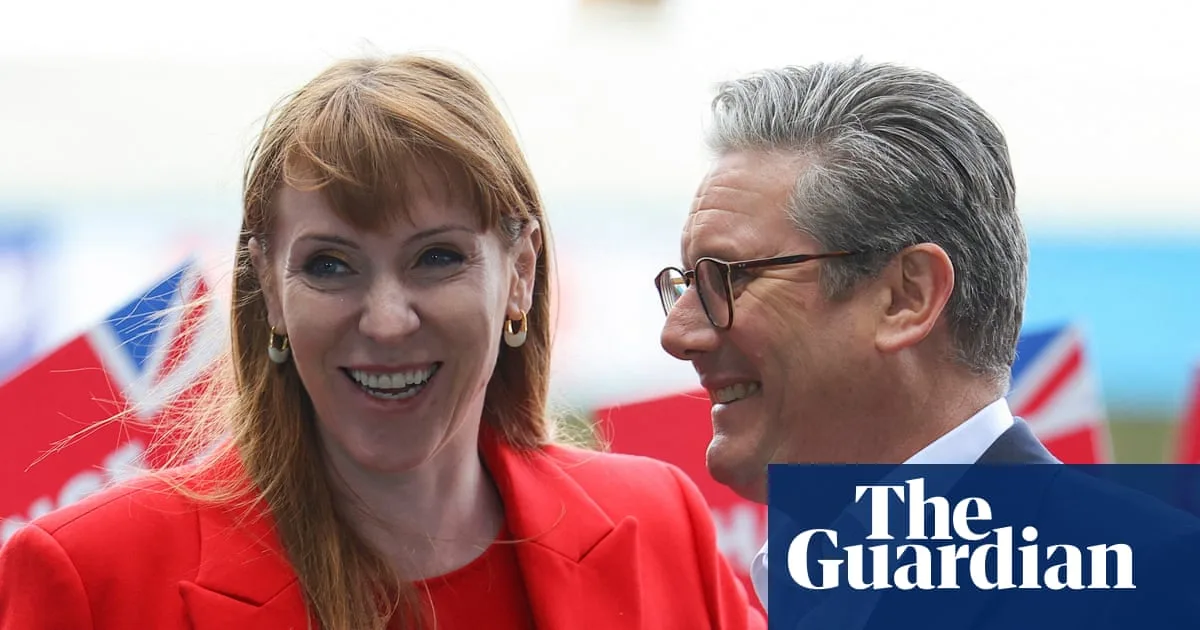
Nearly eight months after resigning from the cabinet over her tax arrangements, Angela Rayner may be poised for a return to frontline politics. Speculation is mounting that Prime Minister Keir Starmer could orchestrate a small reshuffle to bring back his former deputy, a move that could either steady his leadership or hasten its end.
Rayner's potential comeback is far from certain, hinging partly on Labour's performance in upcoming elections to the Scottish and Welsh parliaments and English councils. Elections analyst Robert Hayward predicts Labour could lose 1,850 council seats on 7 May, exceeding the 1,500 figure some reports suggest might trigger a cabinet revolt. If Starmer limps on after such losses, bringing Rayner into the cabinet could signal a reset and appease restless MPs.
Since her resignation last September over stamp duty underpayment, Rayner has walked a fine line between loyalty and interventionism. Her compromises on workers' rights were welcomed by No 10, but her recent criticism of proposed immigration changes as 'un-British' and her warning that Starmer cannot 'go through the motions' have raised eyebrows. Some in government suspect she may be positioning herself as a future challenger rather than a team player.

A key obstacle remains the ongoing HMRC investigation into Rayner's tax affairs. Allies had hoped for resolution before the elections, but delays persist. Even if cleared, Rayner must decide whether to rejoin what some see as a sinking ship. Sources indicate she would listen seriously to offers but would likely refuse a 'non-job' and does not demand the deputy PM role, now held by David Lammy.
Rayner's ability to connect with voters in a human way, a skill Starmer lacks, makes her a valuable asset. Yet some question whether she is more effective as a backbencher, free to campaign and speak nationally. The leadership question looms large, with Rayner frequently cited as a potential challenger. Another possible contender, Andy Burnham, has called for a 'moment of reflection' for Labour after the elections, adding to the uncertainty.