Rayner Delivers Stark Warning to Starmer's Labour
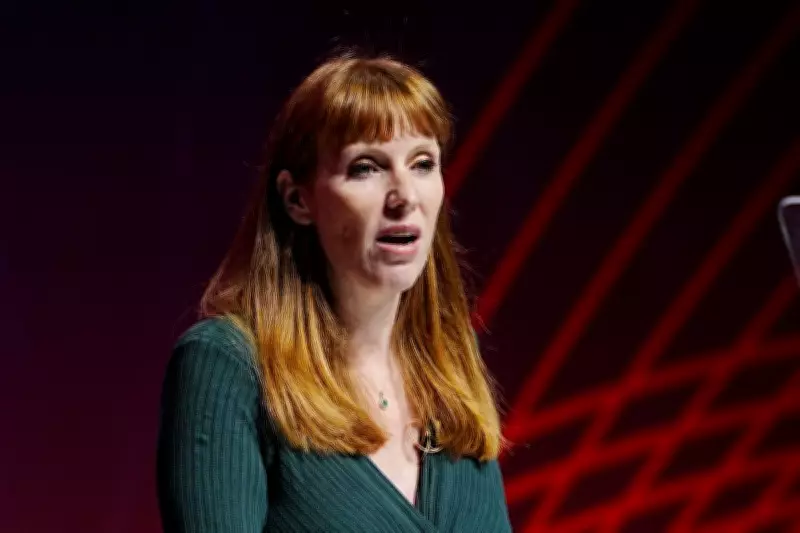
Angela Rayner has issued her most direct challenge yet to Sir Keir Starmer, warning that the Labour Party is "running out of time" to deliver meaningful change and cannot simply "go through the motions in the face of decline." The former deputy prime minister delivered this urgent message during a speech at an event organized by the left-wing campaign group Mainstream.
A Party Seen as 'the Establishment'
In her address, Ms. Rayner argued that under Sir Keir's leadership, Labour has come to be perceived as representing "the Establishment, not working people." She called for a significant change of direction to reconnect with the party's traditional base. The MP for Ashton-under-Lyne, who resigned as housing secretary and deputy prime minister last year following a controversy over stamp duty payments, has long been viewed as a potential challenger to Sir Keir.
Immigration Reforms as a 'Breach of Trust'
A central focus of Rayner's critique was the government's proposed immigration reforms. She specifically targeted plans that would affect indefinite leave to remain for individuals already living in Britain, describing such changes as a "breach of trust" and labeling them "un-British."
"Many people came here to Britain – on the understanding that if they worked in the sectors where we needed them, obeyed the law and paid their taxes, they could stay," she stated, in what appeared to be a pointed criticism of Home Secretary Shabana Mahmood's proposals.
"If we suddenly change that, it pulls the rug from under those who have planned their lives and commitments and are contributing to our economy and to our society. That would be not just bad policy but a breach of trust. The people already in the system – who made a huge investment – now fear for their future, they do not have stability and do not know what will happen."
Rayner emphasized principles of fairness, arguing: "We cannot talk about earning a settlement if we keep moving the goalposts, because moving the goalposts undermines our sense of fair play. It's un-British."
Government's Stance on Immigration
The Home Secretary has announced intentions to double the time required for migrants to qualify for permanent residence from five to ten years, asserting that long-term settlement is a "privilege" that must be earned. The government has also stated that other requirements, such as meeting a higher standard of English proficiency, will be necessary for individuals to remain in the UK.
Ms. Mahmood has defended these measures, arguing that restoring order and control at the border is not a betrayal of Labour values but an embodiment of them, and is essential for any future Labour government to achieve its goals.
Leadership Speculation and Political Pressure
Rayner's speech comes amid growing speculation about her political future and increasing pressure on Sir Keir Starmer's leadership. Following her resignation last year, she has been widely regarded as a potential successor, especially as the government faces devastating approval ratings and internal questions about its direction.
Reports suggest that Rayner could potentially run on a joint ticket with Health Secretary Wes Streeting to challenge the Prime Minister after the upcoming local elections in May, which are anticipated to deliver a brutal result for Labour.
A Call for Visible and Tangible Change
Concluding her speech with a rallying cry, Rayner declared: "As a party, and as a movement, we cannot hide, we cannot just go through the motions in the face of decline. There's no safe ground and we're running out of time. The change that people wanted so desperately needs to be seen, it needs to be felt, and we have to show that it is a Labour government that will deliver it."
Her appearance at Mainstream followed actions by Folkestone MP Tony Vaughan, who coordinated a letter believed to have been signed by over 100 Labour parliamentarians, urging the government to reconsider its immigration proposals. This internal dissent highlights the significant challenges facing the Labour leadership as it navigates policy direction and party unity.