Chancellor Under Fire Over Budget Justifications
Chancellor Rachel Reeves is fighting to defend her economic statements today as controversy erupts over her portrayal of Britain's financial situation before last week's Budget. The Treasury chief faces intense scrutiny following revelations that the Office for Budget Responsibility provided more optimistic forecasts than she had publicly acknowledged.
Ms Reeves spent weeks warning about a substantial black hole in the public finances, preparing the ground for a £30 billion tax increase package. However, documents now reveal the OBR informed her as early as September that productivity downgrades were largely offset by improved tax revenues.
The OBR Timeline Controversy
In a highly unusual development, the OBR has published a letter to the Treasury Select Committee detailing exactly what information the Chancellor received during Budget preparations. The watchdog confirmed it told Ms Reeves in September that tax revenue improvements had nearly completely neutralised a £21 billion productivity downgrade.

By October 31, the OBR indicated the Chancellor was actually meeting her fiscal rules without requiring any action, providing more than £4 billion in headroom. Despite this relatively positive outlook, Ms Reeves proceeded with one of the largest tax increase packages in recent history.
The Conservative opposition has accused the Chancellor of deliberately misleading the public to soften resistance to tax hikes. Shadow chancellor Mel Stride has even requested the Financial Conduct Authority investigate potential market abuse by those with access to confidential Treasury information.
Political Fallout and Public Reaction
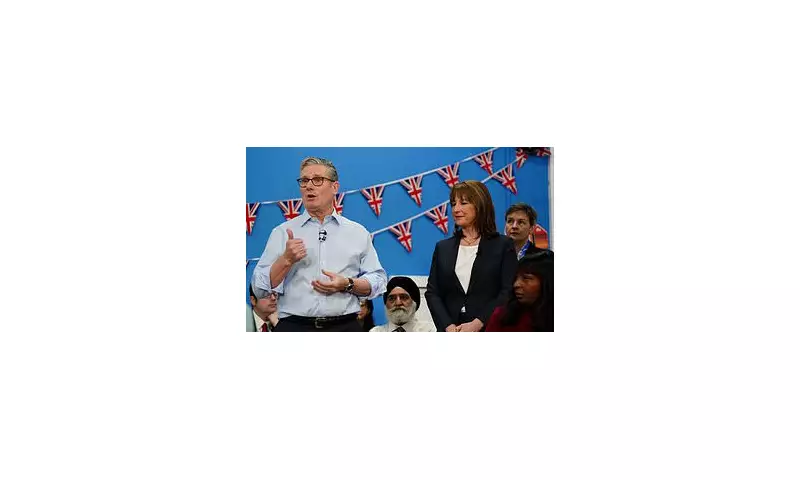
Prime Minister Keir Starmer has mounted a vigorous defence of his Chancellor, with Downing Street sources dismissing the criticism as "a silly row brought about by people who can't do maths." Sir Keir is scheduled to hold a press conference tomorrow where he's expected to fully align himself with Ms Reeves, effectively linking their political futures.
Public opinion appears strongly against the Chancellor, with a Mail on Sunday poll finding 68% of voters believe she should resign, while only 32% think she should remain in post. The controversy reached fever pitch following Friday's publication of the OBR's detailed timeline.
Throughout the Budget lead-up, Ms Reeves emphasised OBR productivity downgrades while citing factors including Brexit, Tory austerity, and even Donald Trump's policies as contributing to a bleak economic outlook. Her unusual November 4 Downing Street speech hinted at breaking Labour's manifesto promises regarding income tax increases.
In the event, the Chancellor announced massive tax rises while having already U-turned on potential income tax increases after details were leaked to the Financial Times. Treasury insiders argue the OBR's surplus forecast didn't account for several policy reversals, including maintaining winter fuel payments and abandoning welfare reforms, which collectively cost approximately £10 billion annually.
Ms Reeves maintains that her tax decisions were "fair and necessary" and insists she needed to rebuild government headroom after leaving only £10 billion space in last year's Budget. The Chancellor continues to deny misleading the public, setting the stage for continued political confrontation as the government seeks to implement its controversial financial package.