Police Investigation Finds No Electoral Law Breaches in Gorton and Denton By-Election
Greater Manchester Police have concluded their investigation into allegations of 'family voting' during last month's Gorton and Denton parliamentary by-election, announcing today that they found no evidence of breaches under electoral law. The parliamentary contest, held on 26 February and won by the Green Party, had been marred by claims of illegal practices occurring at polling stations throughout the constituency.
What Constitutes 'Family Voting'?
So-called 'family voting' refers to situations where two individuals use a single polling booth together, potentially directing or influencing each other's voting decisions. In response to concerns about this practice, tougher legislation known as the Ballot Secrecy Act was introduced in 2023 to explicitly clarify that such behavior constitutes an offence, aiming to clamp down on potential electoral interference.
Observer Reports and Political Reactions
Election observer group Democracy Volunteers reported witnessing what they described as 'concerningly high levels' of family voting during the by-election. According to their observations, the four accredited election observers saw instances of family voting in 15 out of the 22 polling stations they attended across Gorton and Denton.

This amounted to 32 documented cases in total, with nine cases observed in just one polling station alone. The organization calculated that approximately 12 percent of voters observed were either causing or affected by family voting during their monitoring period.
Reform UK, which finished second in the parliamentary contest, subsequently reported these observations to Greater Manchester Police. Party leader Nigel Farage publicly criticized what he characterized as 'cheating' in the electoral process.
Police Investigation Details
In a detailed statement released on Friday, Greater Manchester Police explained their investigative findings. The force noted that while Democracy Volunteers had documented instances of people voting together, they did not allege 'any verbal instruction or physical conduct that indicated one person was directing or coercing another regarding how to vote.'
'This is a crucial part of the legislation to prove such an offence was committed,' the police statement emphasized, referring to the requirements under the Ballot Secrecy Act 2023.
The investigation revealed several limitations in pursuing the allegations further. Greater Manchester Police stated they had requested from Democracy Volunteers descriptions of those allegedly involved and specific timings of when incidents were believed to have occurred. However, these details 'were not documented by observers or the complainant, and we have not been provided with any identities or descriptions to pursue,' according to the police statement.
Additionally, the force obtained CCTV footage from three polling stations visited by Democracy Volunteers and interviewed the presiding officer from each location. Their review found that these stations did not show any evidence of people directing or coercing others on how to cast their votes.
'There is no evidence to suggest any intent to influence or refrain a person from voting as stated in the Ballot Secrecy Act 2023,' the police concluded definitively.
By-Election Results and Context
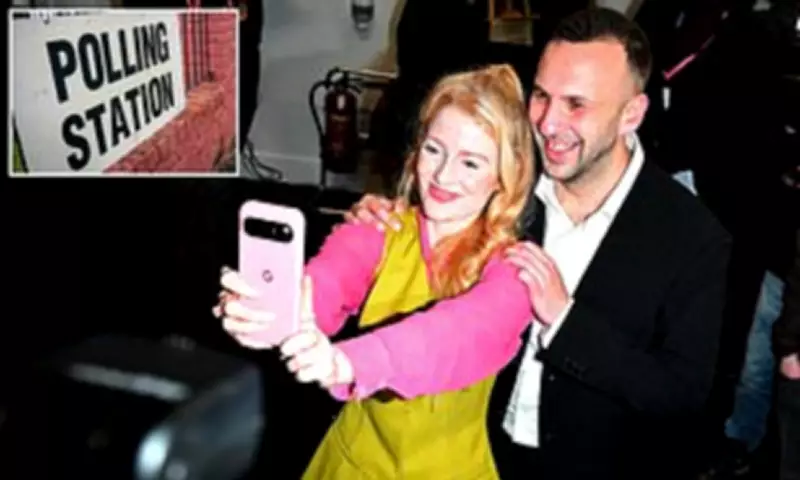
The Green Party's Hannah Spencer emerged victorious in the by-election with 40.7 percent of the vote, securing a substantial majority of 4,402 votes. Reform UK candidate Matt Goodwin finished second with 28.7 percent of the vote.
The Gorton and Denton by-election was triggered by the resignation of former Labour minister Andrew Gwynne from the House of Commons. In a surprising outcome, Labour finished a disappointing third in the contest despite deploying significant resources including multiple ministers and approximately 1,000 activists during the campaign period leading up to polling day.
The police investigation's conclusion brings closure to the allegations that had shadowed the by-election results, confirming that while observers noted voting patterns that raised concerns, no prosecutable offences under current electoral law were identified.