Prime Minister Praises Chancellor's Role in Strengthening UK's Economic Resilience
Sir Keir Starmer informed his ministers that Britain is in a significantly improved position to manage the economic repercussions of the ongoing Iran war, attributing this advantage directly to the strategic work of Chancellor Rachel Reeves. This declaration came during Tuesday's weekly Cabinet meeting, which convened as the conflict entered its third tumultuous week, with global oil prices stubbornly holding above $100 per barrel, equivalent to approximately £75.
Downing Street Highlights Chancellor's Crucial Contributions
According to official statements from Downing Street, the Prime Minister commenced the Cabinet session by publicly commending Chancellor Reeves. He emphasized that her diligent efforts and forward-thinking policies had fundamentally "put the Government in a better place to weather a storm" arising from the international crisis. Sir Keir's official spokesman elaborated, noting that Ms. Reeves had reminded ministers of the necessity to "govern for the world as it was, not as we would like it to be," a pragmatic approach that has evidently fortified the nation's economic defences.
The spokesman further clarified that the Prime Minister explicitly stated it was "important to emphasise the Government was approaching this conflict in a better position thanks to the work of the Chancellor." This acknowledgment underscores the critical role of fiscal preparedness in navigating geopolitical turmoil, particularly as oil markets remain volatile due to Iran's sustained blockade of the strategically vital Strait of Hormuz.

Government Moves to Alleviate Fuel Supply Concerns
Despite the escalating tensions and their impact on oil supplies, Downing Street actively sought to dispel mounting fears regarding potential petrol rationing within the UK. Authorities assured the public that petrol stations nationwide remain "well stocked," with fuel production and import operations continuing uninterrupted. The Prime Minister's official spokesman reinforced this message, citing assurances from both the AA and Fuel Industry UK that drivers should "fill up as normal," as no significant disruptions have been reported across the country's fuel infrastructure.
Earlier statements from Treasury minister Dan Tomlinson reflected a cautious governmental stance, noting it was "too early to tell what the impact of this crisis will be" but confirming that officials would "monitor the situation" closely. This measured response highlights the balancing act between preparedness and public reassurance as the conflict evolves.
International Tensions Escalate Over Strait of Hormuz
The Strait of Hormuz has emerged as a critical flashpoint in the Iran war, with Tehran's blockade intensifying global economic pressures. Reports indicate several vessels in the region have been struck by projectiles or debris from intercepted missiles, as Iran aims to leverage its strategic control over this crucial maritime chokepoint to exert influence, particularly against the United States.
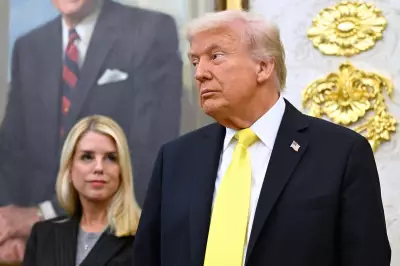
On Monday, US President Donald Trump publicly called for allied nations to deploy naval assets to assist in reopening the strait, expressing sharp disappointment with the UK's response. During a press conference, Mr. Trump lamented that Britain, traditionally viewed as the "Rolls-Royce of allies," had delivered a "very disappointing" reaction to the crisis. He appeared to criticise Sir Keir Starmer directly, suggesting the Prime Minister had hesitated by stating he was "meeting with my team" before making any definitive commitment regarding Royal Navy involvement, following a discussion between the two leaders on Sunday.
UK Maintains Diplomatic Composure Amid Criticism
In response to President Trump's remarks, Downing Street adopted a restrained diplomatic posture on Tuesday, refusing to engage in a public war of words. Sir Keir's spokesman stated the government would not provide "a running commentary on everything the president says," while simultaneously affirming the "enduring close relationship" between the two nations. The spokesman elaborated, "The Prime Minister and president speak regularly and have a good relationship. That doesn't mean we have to agree with the US on everything or support every action they take."

During his own press conference on Monday, Sir Keir revealed that the UK had initiated preliminary discussions with international allies concerning potential measures to help reopen the Strait of Hormuz. Downing Street confirmed these talks are still in their "early stages," indicating a deliberate, consultative approach. This contrasts with some European counterparts, such as Germany, which have reportedly ruled out immediate military deployments, while sources suggest a rapid UK naval intervention remains unlikely due to the elevated risks involved.
Opposition and Domestic Perspectives on the Crisis
Conservative leader Kemi Badenoch weighed in on the situation, advocating for UK action to assist but stressing the necessity of a coherent strategy. She told the Press Association, "What we haven't really seen is much of a plan," and added, "I don't want to see oil shocks in our country, we should do something to help. But let's know that there is a clear plan, a clear outcome." Ms. Badenoch dismissed President Trump's criticism of Sir Keir as "childish," while also cautioning, "I understand why Donald Trump said he started this war, but you shouldn't start something if you don't know how to finish it."
As the Iran war persists, the UK government's emphasis on economic resilience, shaped by Chancellor Reeves' policies, and its cautious diplomatic manoeuvring reflect a multifaceted strategy aimed at safeguarding national interests while navigating complex international alliances and escalating global tensions.