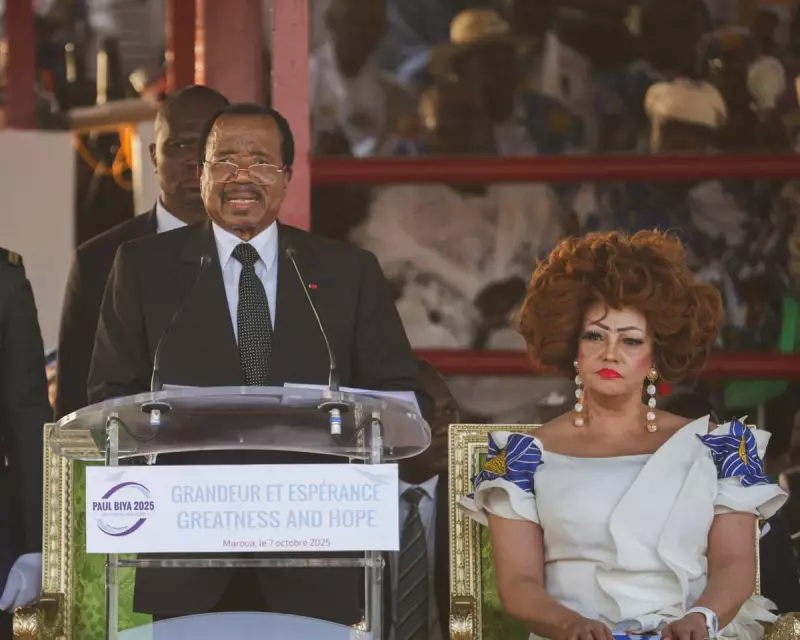
Paul Biya, the 92-year-old leader of Cameroon, has been declared the winner of the country's presidential election, extending his remarkable 42-year tenure as head of state. The constitutional council confirmed Biya's victory amid widespread controversy and opposition challenges.
Decades of Power Extended
The election results cement Biya's position as one of the world's longest-serving leaders, having first taken power in 1982. At 92 years old, he now faces another seven-year term that would see him approach a century of life while governing the Central African nation.
Opposition Outcry and Legal Challenges
The announcement follows significant legal challenges from opposition candidates who alleged widespread irregularities. Main challenger Joshua Osih and other candidates had petitioned the constitutional court, citing concerns about electoral integrity and demanding a rerun of the vote.

The constitutional council, however, rejected all appeals, stating that the evidence presented failed to substantiate claims of systematic fraud. This decision effectively closes all legal avenues for contesting the election outcome.
International Scrutiny Intensifies
The election process has drawn sharp criticism from international observers and human rights organizations. Concerns have been raised about:
- The transparency of the electoral process
- Media freedom during the campaign period
- Restrictions on opposition activities
- The independence of electoral institutions
Western powers, including former colonial ruler France, are closely monitoring the situation as Biya prepares to extend his already lengthy rule.
What This Means for Cameroon
Biya's continued leadership comes at a critical juncture for Cameroon, which faces multiple challenges including:
- Ongoing conflict with separatist groups in English-speaking regions
- Economic pressures affecting the population
- Growing youth unemployment
- Increasing international isolation
Political analysts suggest that the extended rule raises questions about political transition and stability in a country where power has remained concentrated in one individual for over four decades.
The outcome solidifies Biya's position not only as Africa's oldest serving leader but also as one of the world's most enduring political figures, setting the stage for continued international debate about democracy and governance in the region.