

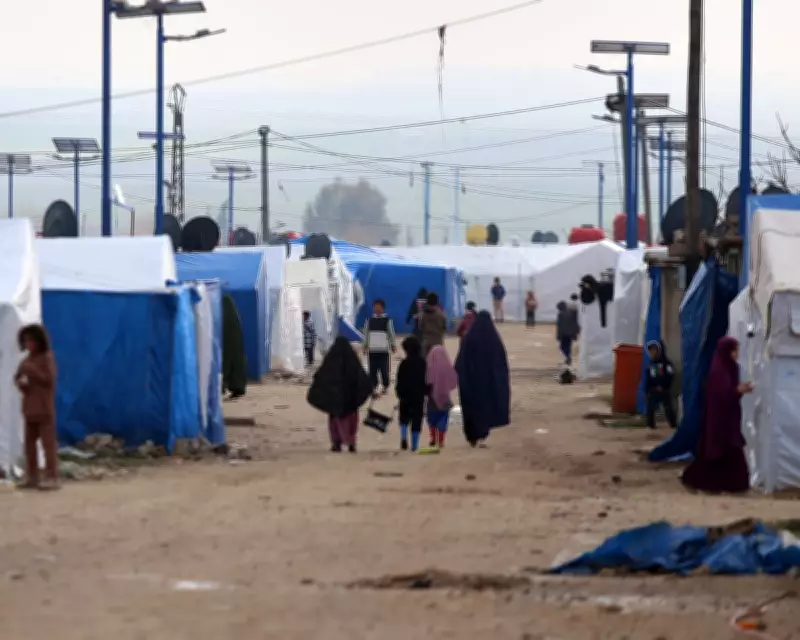
The ongoing humanitarian crisis in Syria has placed Australia at a crossroads, forcing a difficult debate over the repatriation of its citizens, particularly women and children, from detention camps in the region. This issue highlights a profound tension between national security priorities and fundamental human rights obligations under international law.
The Plight of Australians in Syrian Camps
Reports indicate that dozens of Australian women and children remain stranded in camps such as al-Hol and Roj in northeastern Syria. These individuals, many of whom are family members of suspected Islamic State fighters, live in dire conditions with limited access to basic necessities like healthcare, clean water, and education. Human rights organisations have repeatedly condemned the situation, describing it as a violation of international norms and calling for urgent action from governments worldwide.
Security Concerns vs. Human Rights
Australian authorities have expressed significant security concerns regarding the potential risks associated with repatriating individuals from conflict zones. There are fears that some returnees might pose threats due to radicalisation or links to extremist groups. However, critics argue that these security assessments often lack transparency and disproportionately affect vulnerable groups, such as women and children, who may have been coerced or trafficked into these situations.

Legal experts emphasise that Australia, as a signatory to various human rights treaties, has a duty to protect its citizens abroad, especially those in precarious circumstances. Failing to act could undermine the country's commitment to human rights and set a dangerous precedent for how nations handle similar cases in the future.
International and Domestic Pressure
Pressure is mounting on the Australian government from multiple fronts. Internationally, bodies like the United Nations have urged countries to repatriate their nationals from Syrian camps, citing the inhumane conditions and the need for rehabilitation rather than indefinite detention. Domestically, advocacy groups and some political figures are pushing for a more compassionate approach, arguing that leaving citizens in such environments contradicts Australian values of fairness and justice.
Comparisons are often drawn with other nations, such as the United Kingdom and Canada, which have undertaken repatriation efforts for their citizens from Syria. These examples suggest that managed returns, coupled with robust security vetting and support programs, can mitigate risks while upholding human rights.
The Path Forward
Addressing this issue requires a nuanced strategy that balances security with humanity. Potential solutions include enhanced screening processes for returnees, investment in deradicalisation and reintegration programs, and international cooperation to share intelligence and best practices. Additionally, there is a growing call for greater transparency in government decision-making to build public trust and ensure accountability.
Ultimately, the debate over repatriating Australians from Syria is not just about policy; it is a test of the nation's moral compass and its dedication to human rights principles. As the situation evolves, the choices made today will have lasting implications for Australia's global reputation and the lives of those affected.






